
Indigenization Resources
HE LOA KE AHO
Nā Wahi Kau I Ka Hano
PLACES WE HONOR
Nā Wahi Kau I Ka Hano is a cultural resource made up of a cluster of community sites acknowledged with deep respect, regard and aloha within the service area of Leeward CC. This repository connects people, place and practice. Included in Nā Wahi Kau I Ka Hano are site names, contact person(s), contact information, address, site location, site description, online resources, and other information.
Nā Mele Hawaiʻi
SONGS AND CHANTS
Nā Mele Hawaiʻi is a waihona | repository of songs and chants that draw connection or relevance between people, place and practice. For Indigenization practitioners, use of mele in spaces of learning is intentional and appropriate. Users of mele are practitioners themselves and or rely on a source or mentor, prior to this use in indigenization spaces with students or colleagues.
Ka Lei Kumupaʻa
INDIGENIZATION PROFESSIONAL DEVELOPMENT MEDIA RESOURCES
The primary resources of Ka Lei Kumupaʻa are the flagship media resources of He Loa Ke Aho. The series of five module videos were created to support current and future professional development needs. Although each module is a stand alone resource with topics independent of one another, Ka Lei Kumupaʻa professional development program began with the knowledge base of history.
Ka Lei Kumupaʻa professional development program is an opportunity of discovery and self realization in a Native Hawaiian learning community.
- The first module examines history and impact on Hawaiʻi and Kānaka Maoli, and an attempt to peel back the reasons behind generational trauma, personal impact that continues to marginalize Native Hawaiians in day to day life, and in higher education institutions.
- A module that identifies and examines how Hawaiian worldviews are visible and celebrated at Leeward CC through the scholars and support services who elevate it as such.
- Then a module that takes us to ancestral lands and voices of Native Hawaiian families. By listening we learn how identity is passed down naturally from a primary source about Native Hawaiian epistemology. Through their family history, we recognize the critical and fragile role of identity, the special care necessary, and the safe space required for this level of recognition for Native Hawaiian students and all those who serve them.
- With this awareness, we shift to the most important primary source that informs us, our Native Hawaiian students. Through a pilot He Loa Ke Aho collaboration between our student support service program and our professional development program, we innovatively and indigenously intersect with a focus on sharing family history and ways of being with all participants. In intentional indigenous spaces, we establish a distinct level of care and lean on ancestral values and ways of being as demonstrated by hulu kūpuna, our precious ancestor generation.
The final blossom of Ka Lei Kumupaʻa with resources to be produced, is a module to hoʻomau or continue the care for a Native Hawaiian Learning Community in a specific, recognizable and Indigenous way. It is a call to leadership, faculty, and staff to respond and apply what was learned through this professional development opportunity and resources to serve in an innovative needed way. Through this awakened community of learners and leaders, we commit to the high recognition, specific nurture and continued connection to Hawaiʻi, for the ancestral descendants of these ancestral lands.

“I just finished watching Ho`olina and want to thank you both for creating and sharing such a treasure. I am rarely at a loss for words, and ‘awe’ barely captures how deeply impressed I am, not only by the vision it takes to dream up such a powerful theme, but also by the talent and dedication required to bring it to life. You are both amazing, and I’m truly grateful for the gift of this film and for all of your hard work over the past couple of years. I wholeheartedly agree that everyone needs to see this.”
William Kahoku Castillo,
Senior Workforce Development Coordinator, Alumni of Kawaimanomano, Ka Lei Kumupaʻa, Ēwe Hānau o ka ʻĀina Participant

“The breakthrough of this film is that it pushes the idea of not only knowing who you are but also knowing what you are capable of because of who you are. This can help Native Hawaiians in their relationships or even how they view the world as they realize how much hidden truths and secrets are out there waiting to be revealed.”
Alika Poaha,
Leeward CC Alumni, Alumni of Hoʻopūnana and Paʻapono, Mea Mele Hawaiʻi Collaborator
Paeʻāina
OER LESSON PLANS
The videos in Ka Lei Kumupaʻa Professional Development programs were co-directed and co-produced by He Loa Ke Aho Cultural Curriculum Specialist, Moana Makaimoku and Oahu Films Owner and Filmmaker, Pawel Nuckowski during 2024-2026. Ka Lei Kumupaʻa videos are the primary curriculum resource for this program that implemented four cohorts, 108 participants and 44 unduplicated graduates in 19 opportunities. In addition to employee viewers were students of the Hoʻopūnana Mentorship Program, Paʻapono Internship Program, Kahua Hoʻomau Ola Program, and IS116 Ēwe Maoli Hawaiʻi Program. The collection of Ka Lei Kumupaʻa videos were curated in the Hōʻikeākea Gallery Spring 2026 Ēwe Hānau o ka ʻĀina Gallery Installation with hundreds of viewers who attended the installation from April to July of 2026.

“I’m deeply grateful to have participated in Pae‘āina. This experience has transformed and inspired me. It wouldn’t have been possible without He Loa Ke Aho. I value your guidance and support so much. I will keep the words of your Kumu in my mind and heart as I move forward.”
Kelly Kennedy,
English as a Second Language Coordinator, Deputy Language Access Coordinator, SKY Campus Happiness Facilitator, Alumni of Kawaimanomano, Ka Lei Kumupaʻa, and Paeʻāina, Ka Lei Kumupaʻa Contributor, Hoʻopūnana Collaborator, Hā Source of Energy Producer and Director
|
INDIGENOUS OPEN EDUCATIONAL RESOURCE (OER) LESSON PLANS |
|
|
DR. CARA CHANG ESSAY 2: |
DR. LAUREN LUM HO INSTRUCTIONAL DESIGNER MODULE 1: DISCUSSION HOʻOLAUNA AND PILINA, |
| CC Paeʻāina Narrative Document.pdf | LLH Paeʻāina Narrative Document.pdf |
| CC Paeʻāina Video.mp4 | LLH Paeʻāina Video.mp4 |
| CC Paeʻāina OER Lesson.pdf | |
Table 4: Examples of Paeʻāina OER Indigenous Lesson Plans were submitted by Associate Professor Dr. Cara Chang and Instructional Designer Dr. Lauren Lum Ho.
Paeʻāina
PAEʻĀINA CULTURAL ADVISORY DEVELOPMENTAL RUBRIC
The Paeʻāina Cultural Advisory Developmental Rubric was developed to provide Paeʻāina faculty participants with indicators of Hawaiian worldviews to assess to the extent a lesson develops. The rubric was developed by He Loa Ke Aho Cultural Curriculum Specialist, Moana Makaimoku and Lauhoe Specialist, Celia Main-Anakalea.

Table 5: Paeʻāina Cultural Advisory Developmental Rubric is used to identify and assess indicators of Hawaiian worldview.
Nā Mea Kōkua
DIGITAL STUDENT RESOURCES
With access to digital student resources, students in targeted programs journey through degree completion in a poise manner to achieve academic success and degree completion. This manual contains chapters on college essentials and specific degree program information.
Nā Mea Kōkua: Student Resource Manual was created to be more than a directory of campus services, it was designed as a companion for students navigating their educational journey at Leeward Community College. Developed in collaboration with Leeward CC Counselors and refined through the experiences and feedback of Hoʻopūnana and Paʻapono participants, three versions of Nā Mea Kōkua were developed across the program’s four cohorts, allowing the resource to evolve alongside the students it was created to serve.
The manual brings academic, financial, cultural, wellness, and campus resources together through a student-centered approach grounded in ʻike Hawaiʻi, encouragement, and reflection. Rather than simply telling students where to find help, Nā Mea Kōkua responds to an important challenge within higher education: students may have access to many services without necessarily knowing how, when, or why to use them.
Today, Nā Mea Kōkua can continue as a resource within Counseling alongside Native Hawaiian Student Success Counselors, supporting culturally grounded conversations around academic planning, wellbeing, belonging, and accessing kōkua (help). In this way, the manual carries the learning of Hoʻopūnana and Paʻapono forward into the everyday systems students use to navigate college. Ultimately, pairing access to resources with the pilina (relationship) and culturally grounded guidance that help students understand how those resources relate to their own journey.

Video Gallery
KA LEI KUMUPAʻA PROFESSIONAL DEVELOPMENT PROGRAM VIDEOS
The videos in Ka Lei Kumupaʻa Professional Development programs were co-directed and co-produced by He Loa Ke Aho Cultural Curriculum Specialist, Moana Makaimoku and Oahu Films Owner and Filmmaker, Pawel Nuckowski during 2024-2026. Ka Lei Kumupaʻa videos are the primary curriculum resource for this program that implemented four cohorts, 108 participants and 44 unduplicated graduates in 19 opportunities. In addition to employee viewers were students of the Hoʻopūnana Mentorship Program, Paʻapono Internship Program, Kahua Hoʻomau Ola Program, and IS116 Ēwe Maoli Hawaiʻi Program. The collection of Ka Lei Kumupaʻa videos were curated in the Hōʻikeākea Gallery Spring 2026 Ēwe Hānau o ka ʻĀina Gallery Installation with hundreds of viewers who attended the installation from April to July of 2026.


“I am most proud of operating through ʻoia ʻiʻo, my absolute truth, through demands of vulnerability, grit, resiliency, innovation, Indigenous trauma, and often lone leadership. This work is heavy, triggering, constant, and a celebration of healing and restoration of Maoli epistemology. Through indigenization, Leeward CC expresses humanity for these ancestral lands and its beloved Hawaiʻi people. I hope Kānaka students receive healing in learning at Leeward CC in order to advance in their academic and career seeking journey. As James Kaulia, President of Hui Aloha ʻĀina | Hawaiian Patriotic League said during the turn of the 19th century, while he organized petitions of anti-annexation—-“Until the very last aloha ʻāina”. I hope Leeward CC persists in institutional indigenization through intentional support of all students, and Kānaka Maoli students as long as they enroll. ʻEliʻeli kau mai—May a profound reverence rest.”
Moana Makaimoku,
Cultural Curriculum Specialist, Instructor of Ka Lei Kumupaʻa, ʻO Hāna ka ʻĀina Uluwehiwehi, Molokaʻi Nui A Hina, E ʻOnipaʻa i ka ʻImi Naʻauao, Cultural Digital Media Resources Co-Director and Co-Producer, Paeʻāina Advisor and Coach, Ka Leo o ke Ola Cultural Advisory Board Chair, Ka ʻUmeke Kāʻeo Senior Copywriter, Ēwe Hānau o ka ʻĀina Gallery Installation Curator and Participant, Keoneʻula Hawaiian Language Committee, Collaborator: Hoʻopūnana, Paʻapono, Ēwe Maoli Hawaiʻi, Indigenous Sensory Space, Hā Source of Energy, Indigenous Instructional Design Project, Paʻapono Mural
KA LEI KUMUPA‘A TRAILER AND TESTIMONIES
PULELO | RISE:
Peering into the Disproportionate Impact of Indigenous and Intergenerational Trauma (Part 1 and Part 2)
HAHAI | PURSUE:
Unpacking the Why Behind Indigenization
HOʻOILINA | INHERITED:
Examining Cultural Identity through Moʻolelo of ʻOhana
NOHO PŪ | DWELL TOGETHER:
Investing in Native Hawaiian Student Vibrancy
MĀLAMA | PROTECT, SERVE:
A Native Hawaiian Learning Community (Part 1 and Part 2)
Ka Lei Kumupa‘a Contributors
Dr. Eiko Kosasa (Pulelo, Part 1)
Kalei Laimana (Pulelo, Part 1)
Dr. Kanoelani Thompson (Pulelo, Part 2)
Michael Sarmiento (Pulelo, Part 2)
Tia L.R. Hartsock (Pulelo, Part 2)
Kamuela Enos (Pulelo, Part 2)
Annemarie Paikai (Hahai)
Bryceson G. Kealiʻiwiwoʻoleikamaunakiʻekiʻe Tugade (Hahai)
Christopher Pokipala (Hahai)
Kanani Okuda (Hoʻoilina)
Philip Hanohano (Hoʻoilina)
Dr. Teresa Makuakane-Drechsel | Gail Makuakane-Lundin | Elizabeth Hansen | Annie Makuakane (Hoʻoilina)
Leiʻala Okuda (Noho Pū)
Shawna Kuʻuleilani Egami (Noho Pū)
Faustino Dagdag (Noho Pū)
Syreeta Washington (Noho Pū)
Chaz Tamayo (Noho Pū)
Leolani Sugui (Noho Pū)
Moana Makaimoku (Mālama, Part 1, Part 2)
Carlos Penaloza (Mālama, Part 1, Part 2)
Lexer Chou (Mālama, Part 1, Part 2)
Piʻikea Hardy-Kahaleoumi (Mālama, Part 1, Part 2)
Dr. Cara Chang (Mālama, Part 1)
Kelly Kennedy (Mālama, Part 1, Part 2)
Dr. Jeff Acido (Mālama, Part 1)
Charmaine Woodward (Mālama, Part 1, Part 2)
Video Gallery
STUDENT PROGRAM VIDEOS
Student program videos document the impact of indigenization in the He Loa Ke Aho and other Kīpuka student programs. Five student videos were directed and produced between 2024-2026 by Native Hawaiian Student Support Specialist Leiʻala Okuda, Cultural Curriculum Specialist Moana Makaimoku, and Pawel Nuckowski of Oahu Films. He Pilina Wehenaʻole features a Kānaka Maoli student journey at Leeward CC, the benefits of specialized programs and community, and the challenges of the dispossession of Lāhui Hawaiʻi. Hoʻopūnana program videos feature the opportunities in this mentorship program in the College and within the community. Kīpuka program students are featured in restoration efforts of a loko iʻa.
HE PILINA WEHENA ʻOLE:
An inseparable and unbreakable relationship
HOʻOPŪNANA PROGRAM:
Mālama ʻĀina at Mālama Puʻuloa
HOʻOPŪNANA PROGRAM SUMMARY TRAILER
HOʻOPŪNANA PROGRAM
KĪPUKA PROGRAMS:
Mālama ʻĀina at Mālama Loko MĀLAMA ʻĀINA AT MALAMA LOKO EA
Video Gallery
ADDITIONAL INDIGENIZATION RESOURCE VIDEOS
In addition to the professional development videos produced for the indigenization efforts of the college, special resources were created for varying purposes. The Hoʻoilina film festival video was curated in the Ēwe Hānau o ka ʻĀina Gallery Installation and officially selected into the Houston Asian American Pacific Islander Film Festival. Ka Hoʻoholo a He Loa Ke Aho video is an appraisal of the Title III He Loa Ke Aho program featuring Project Coordinator, Brandi Makalani Hyden. Hyden shares the comprehensive efforts of He Loa Ke Aho and the charge to indigenize the campus by celebrating the advancement and acknowledging the barriers of this initiative. Ka Huakaʻi Mua i nā Kūlana Maoli Hoʻohui is The Forward Journey to Integrated Indigenous Standards of Being. This video analyzes the journey and future needs of indigenization at Leeward CC. This is a comprehensive look back by faculty, staff and students at the decolonization efforts of Indigenization practitioners and how their efforts have high quality impact and barriers to sustainability. It includes the analysis of community leaders about Kānaka Maoli identity, community, and ʻohana. Kanaka Maikaʻi: Well Human Being was produced to present at the Society of College and University Planning conference in the summer of 2025. The video supported a presentation on elevating well being in higher education. Kanaka Maikaʻi expresses the experiences of Kānaka Maoli in the oppressive and colonial homelands of Hawaiʻi and what is needed in the academic journey to be well. Kuʻu ʻĀina Aloha and Kuʻu ʻŌlelo Hawaiʻi were produced to demonstrate the relationship and value of these ancestral lands, Hawaiʻi, and its ancestral language.

“It has been such a privilege to see the lives of our participants improved by the resources, opportunities, and community curated through our innovative programming. I hope future Native Hawaiian students at Leeward CC will have access to the programs, resources, safe spaces, and community to support their growth of identity and their academic success, so they might become strong pillars of our communities.”
Brandi Makalani Hyden,
He Loa Ke Aho Project Coordinator, Alumni of Ka Lei Kumupaʻa, Ēwe Hānau o ka ʻĀina Participant, TGIF Presenter
HOʻOILINA | INHERITED:
Examining Cultural Identity through Moʻolelo of ʻOhana, *Film Festival Version and Official Selection of the Houston Asian American Pacific Islander Film Festival
KA HOʻOHOLO A HE LOA KE AHO:
The Appraisal of He Loa Ke Aho
KA HUAKAʻI MUA I NĀ KŪLANA MAOLI HOʻOHUI:
The Forward Journey to Integrated Indigenous Standards of Being
KANAKA MAIKAʻI:
Well Human Being
KUʻU ʻĀINA ALOHA:
My Beloved Land
KUʻU ʻŌLELO HAWAIʻI:
My Hawaiian Language
Photo Gallery
RESOURCES
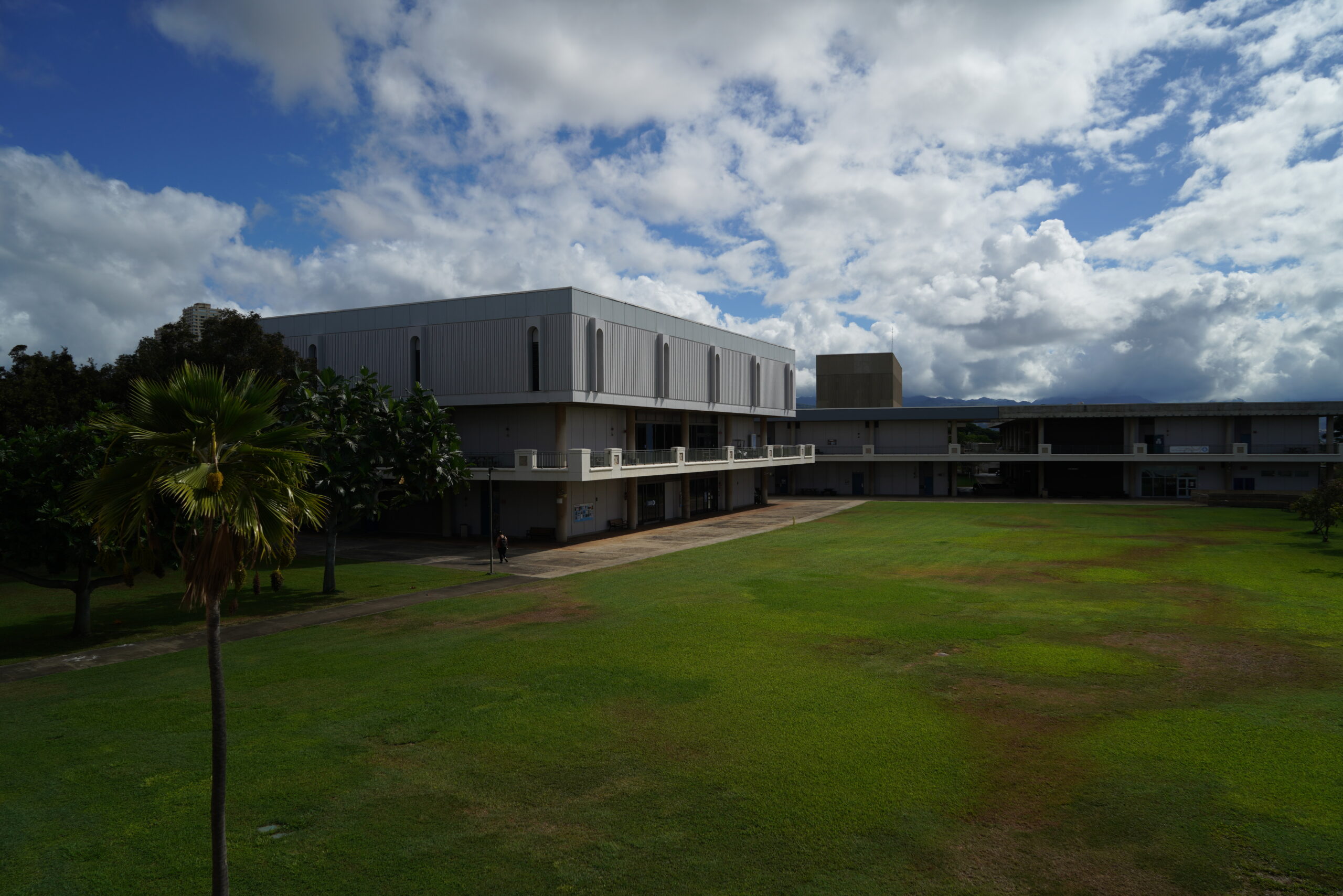
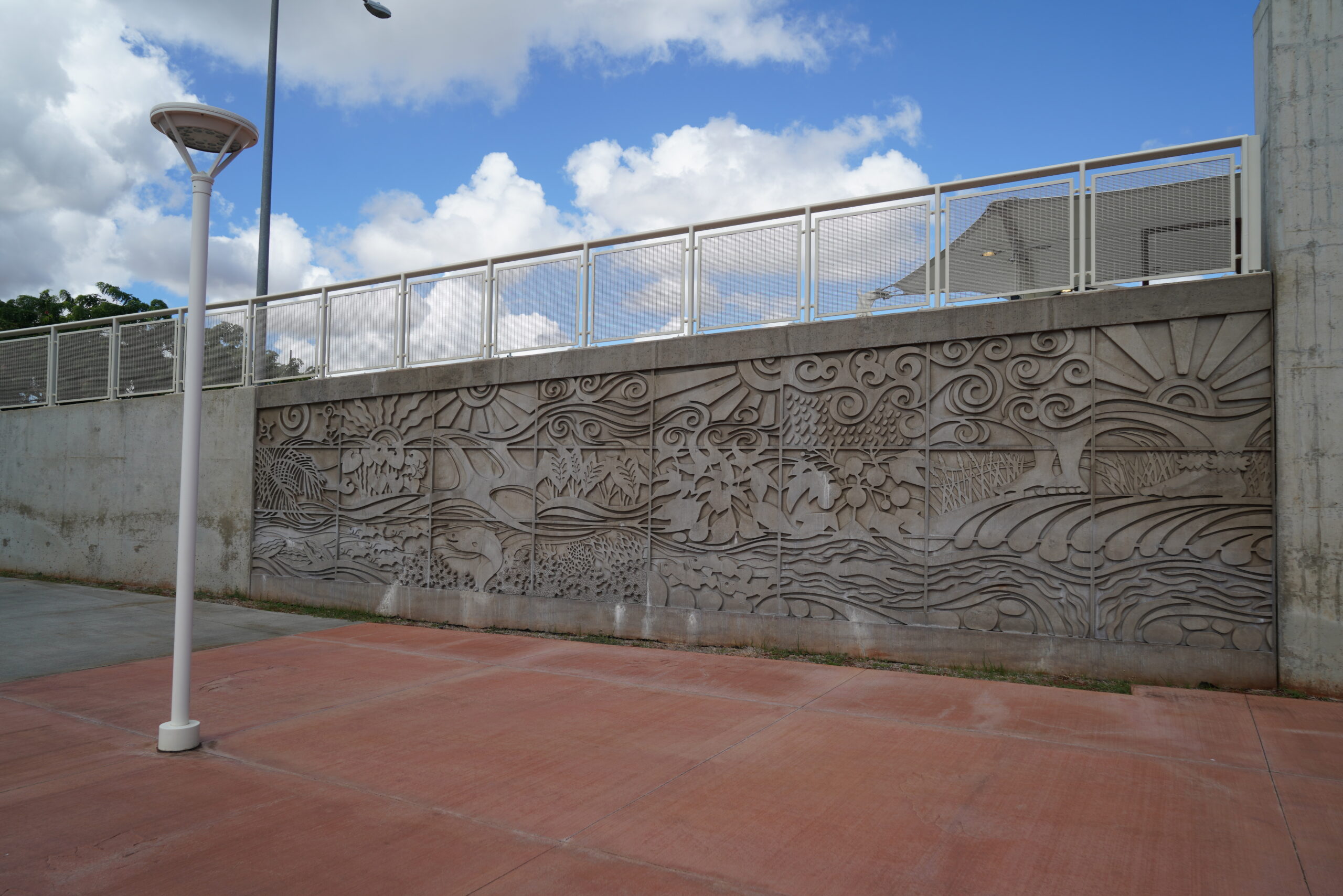
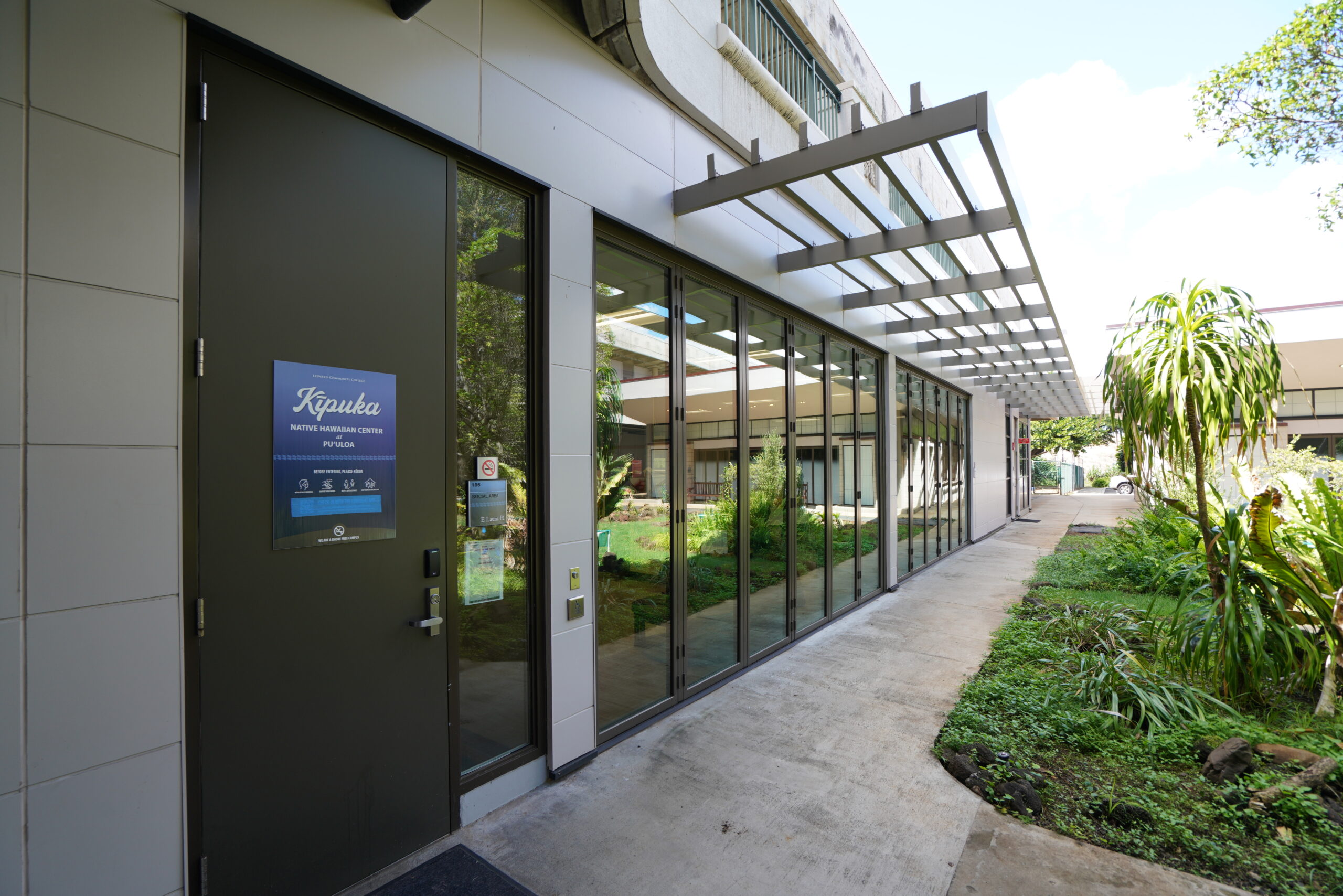
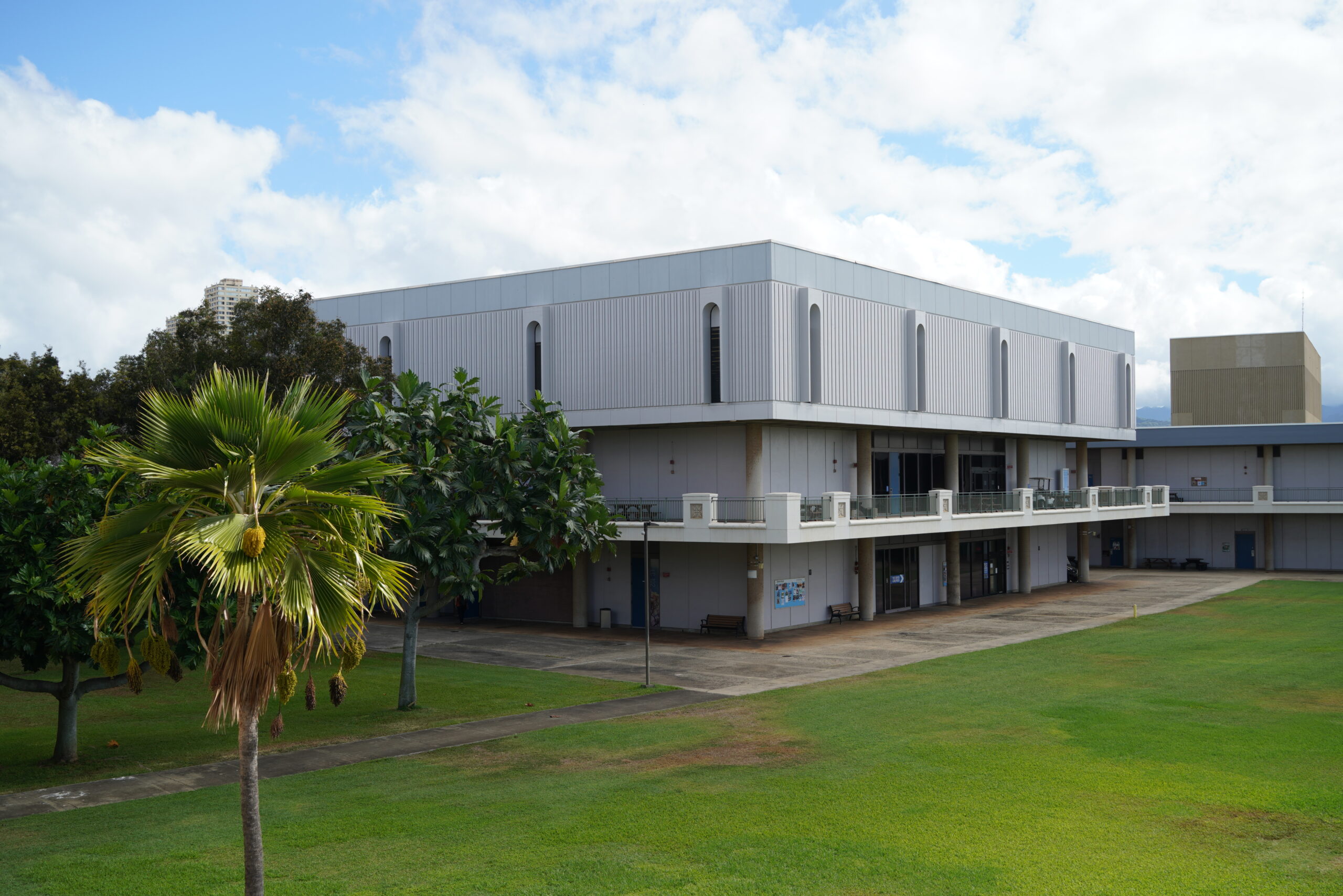
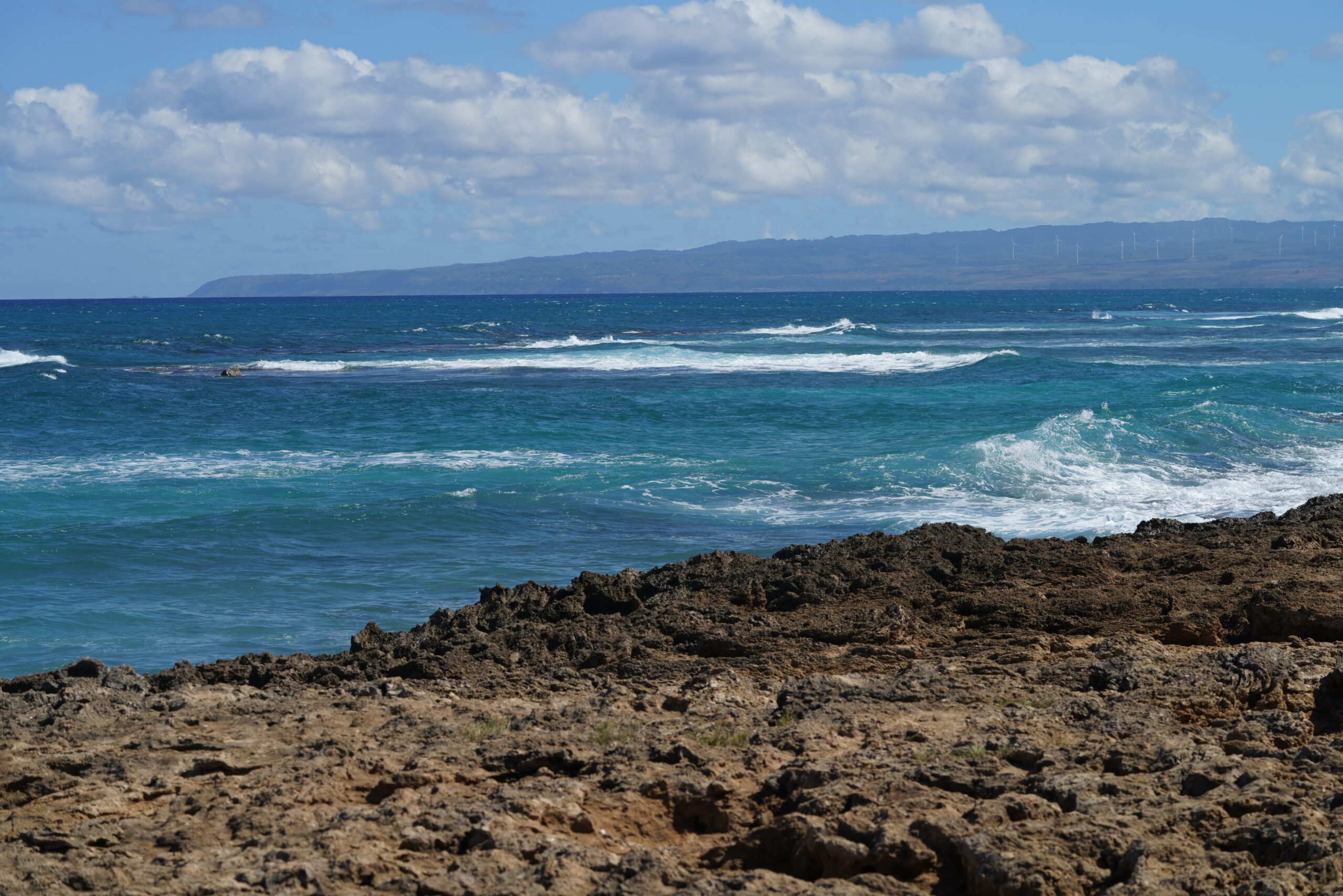
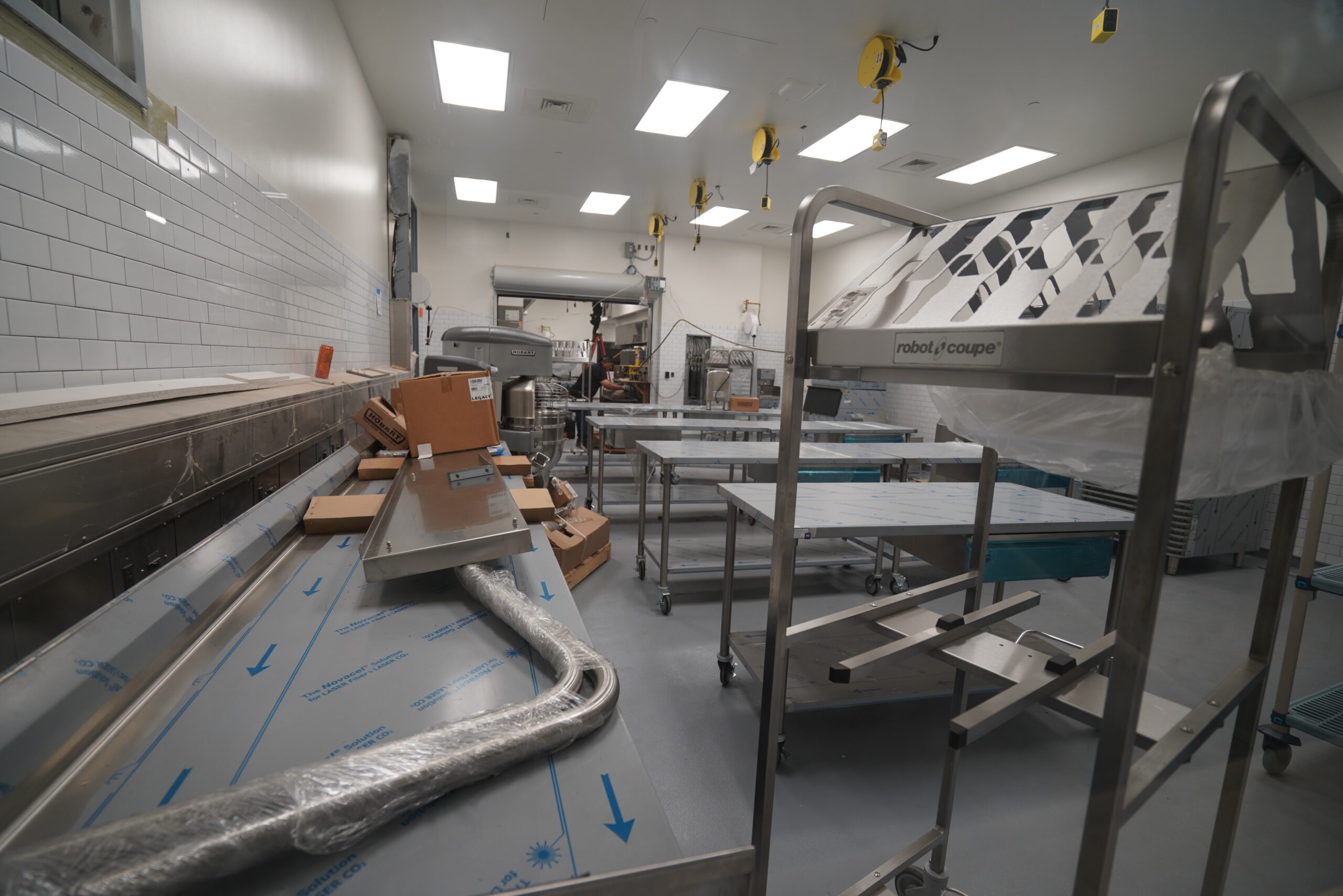
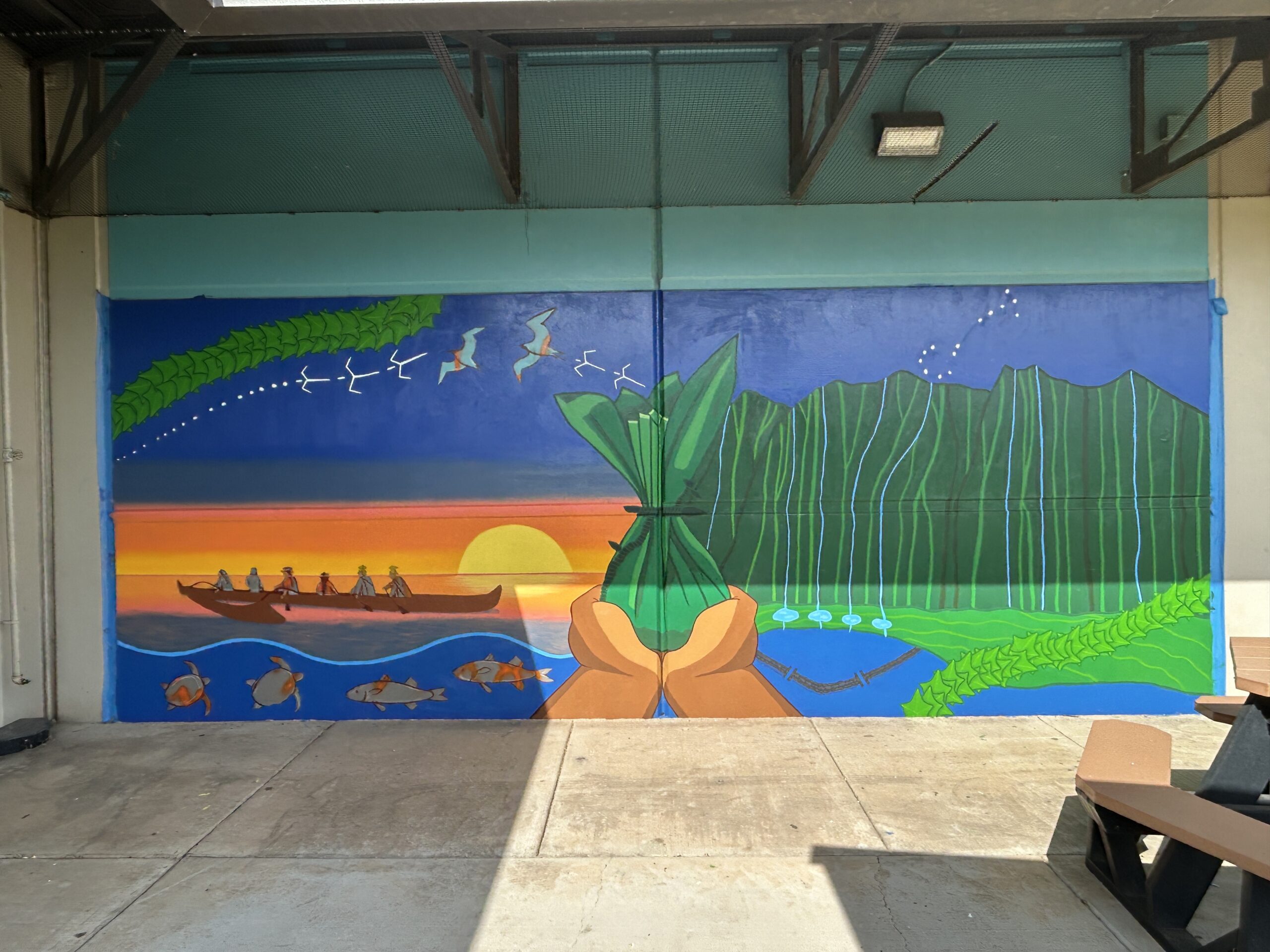
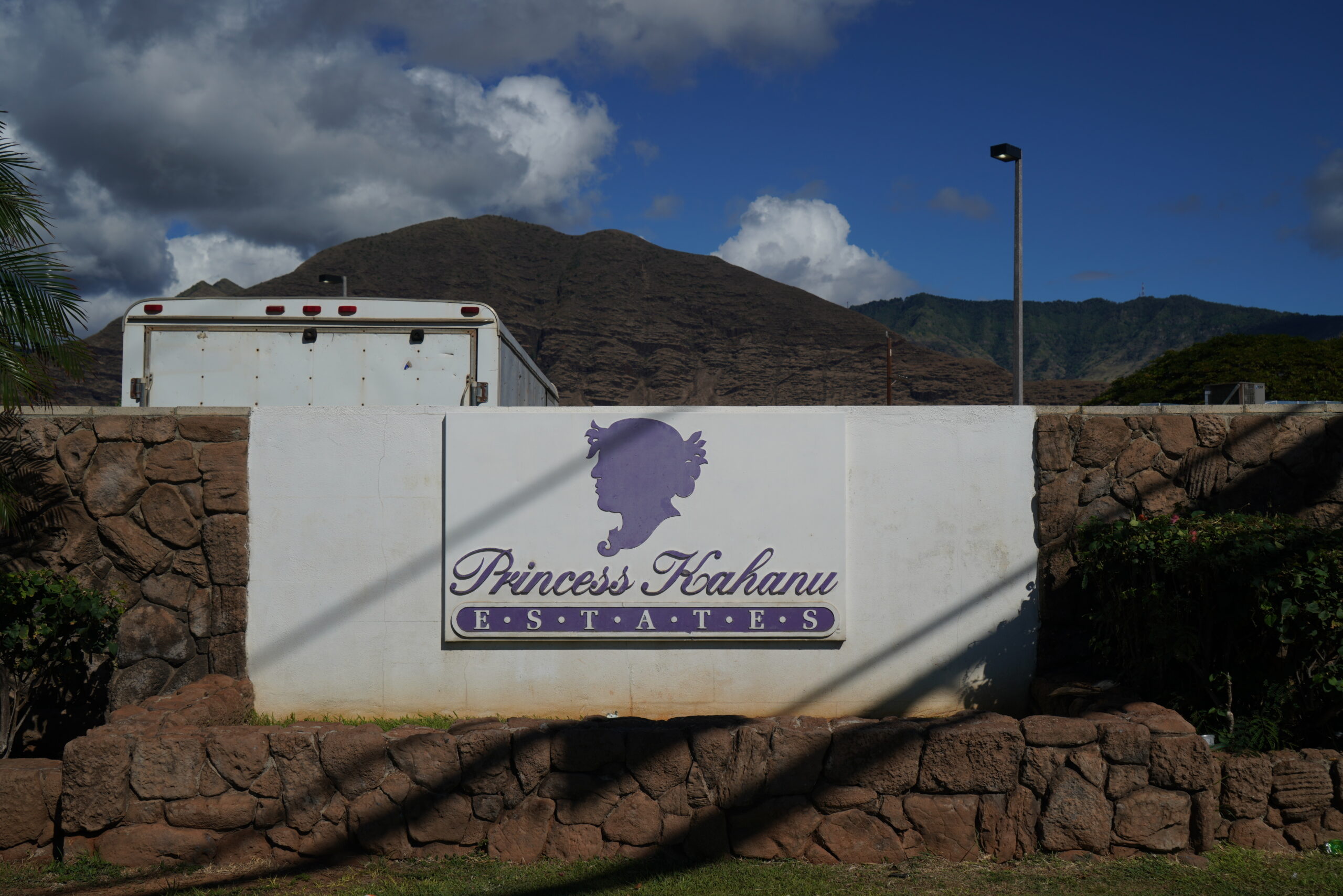
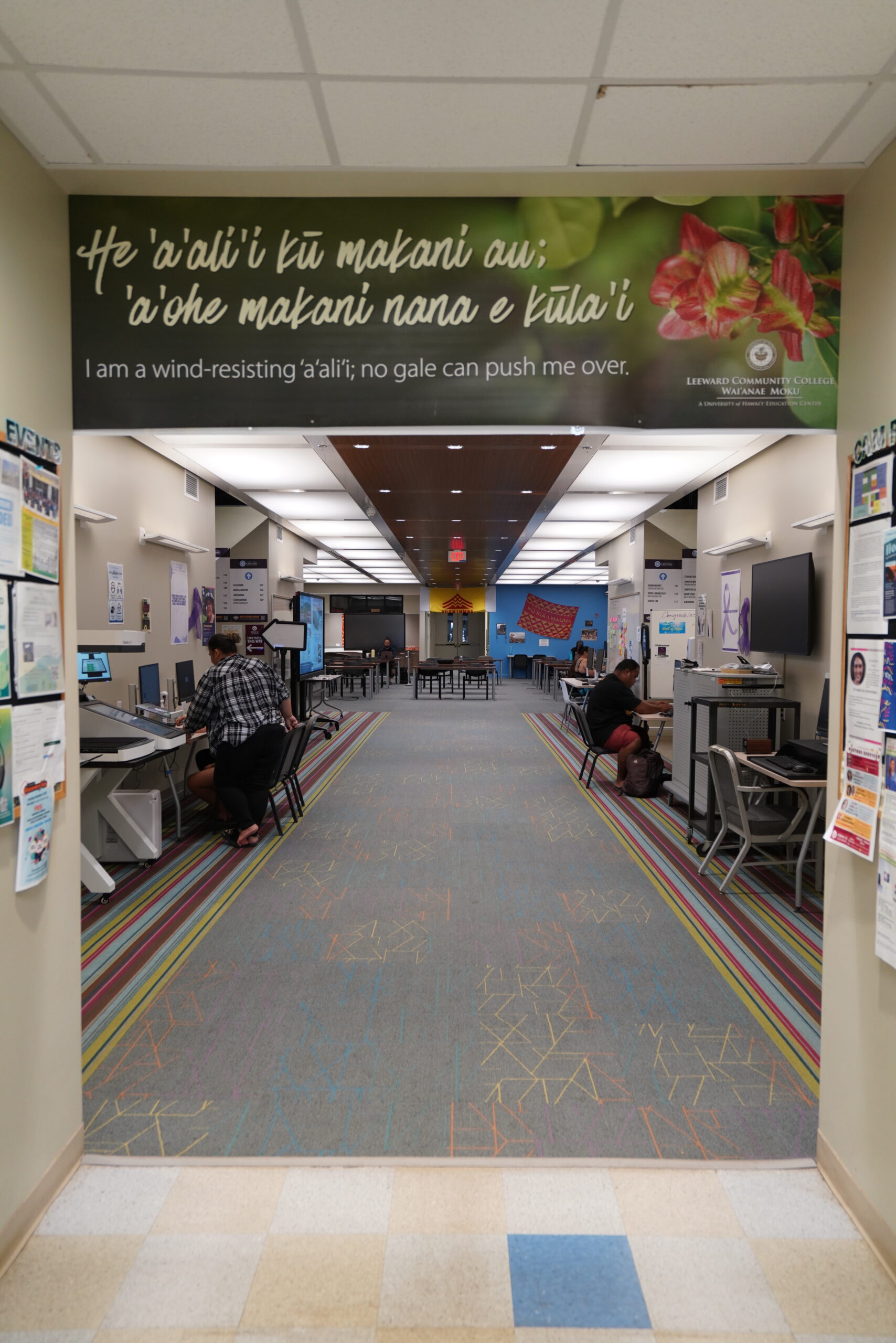
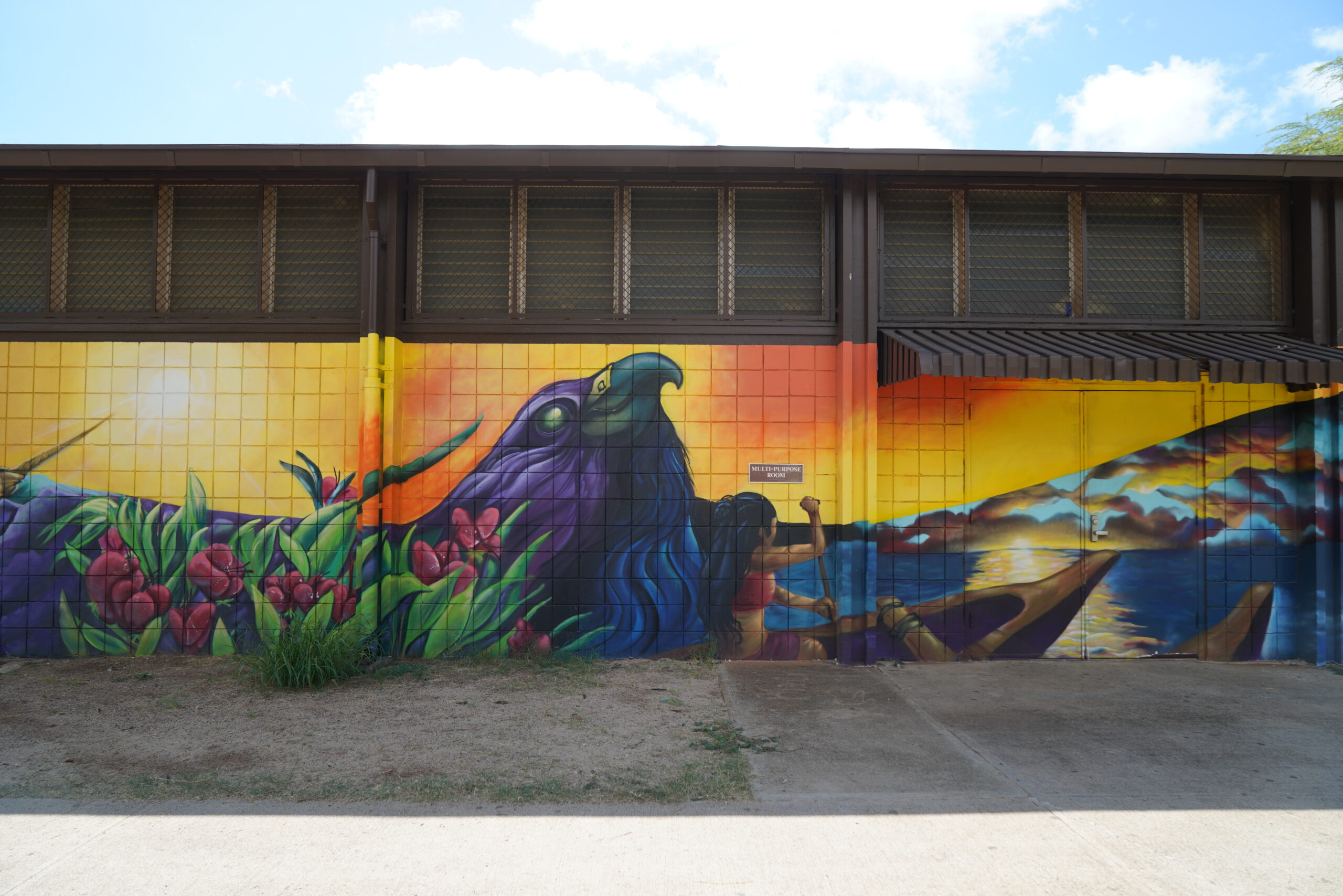
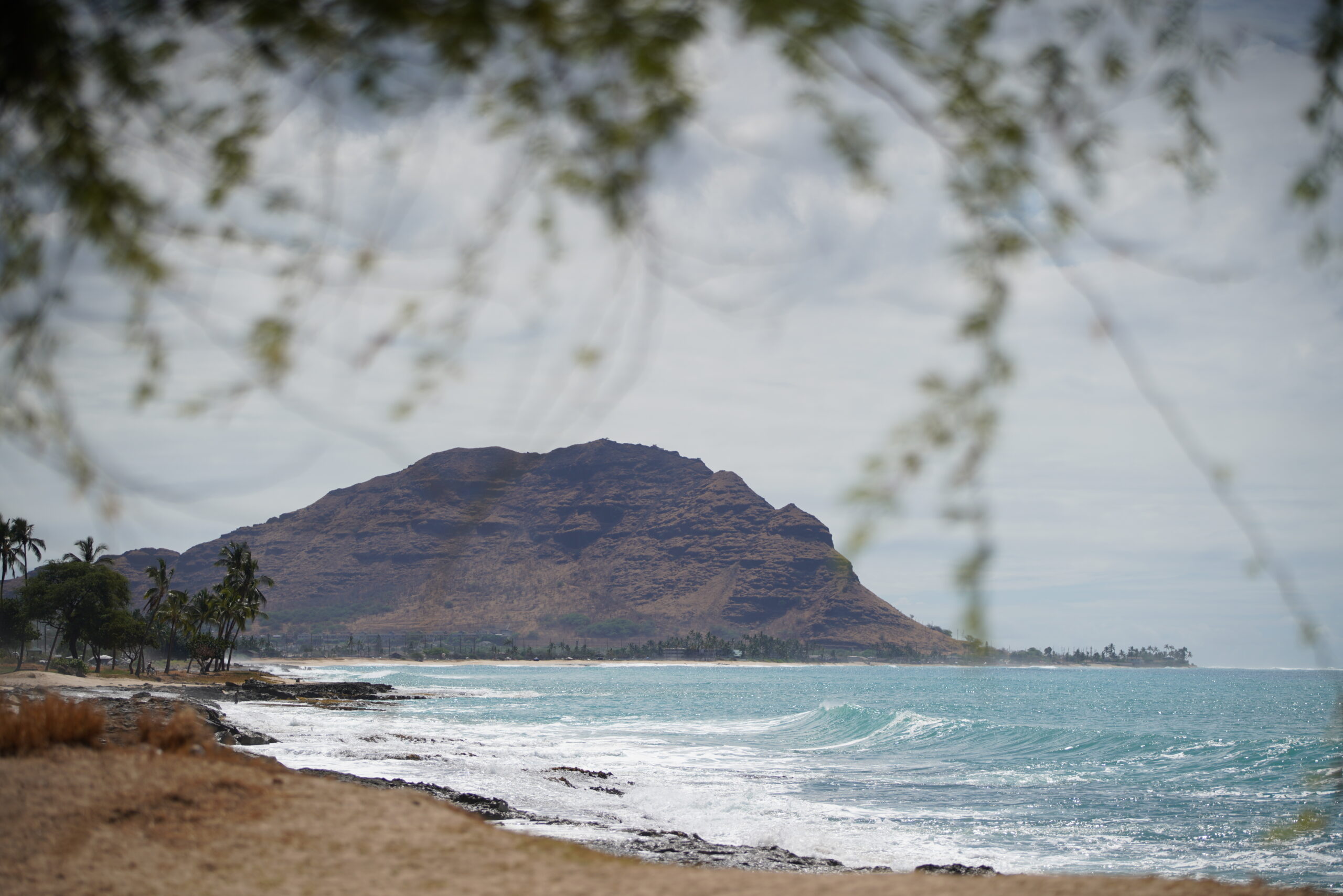
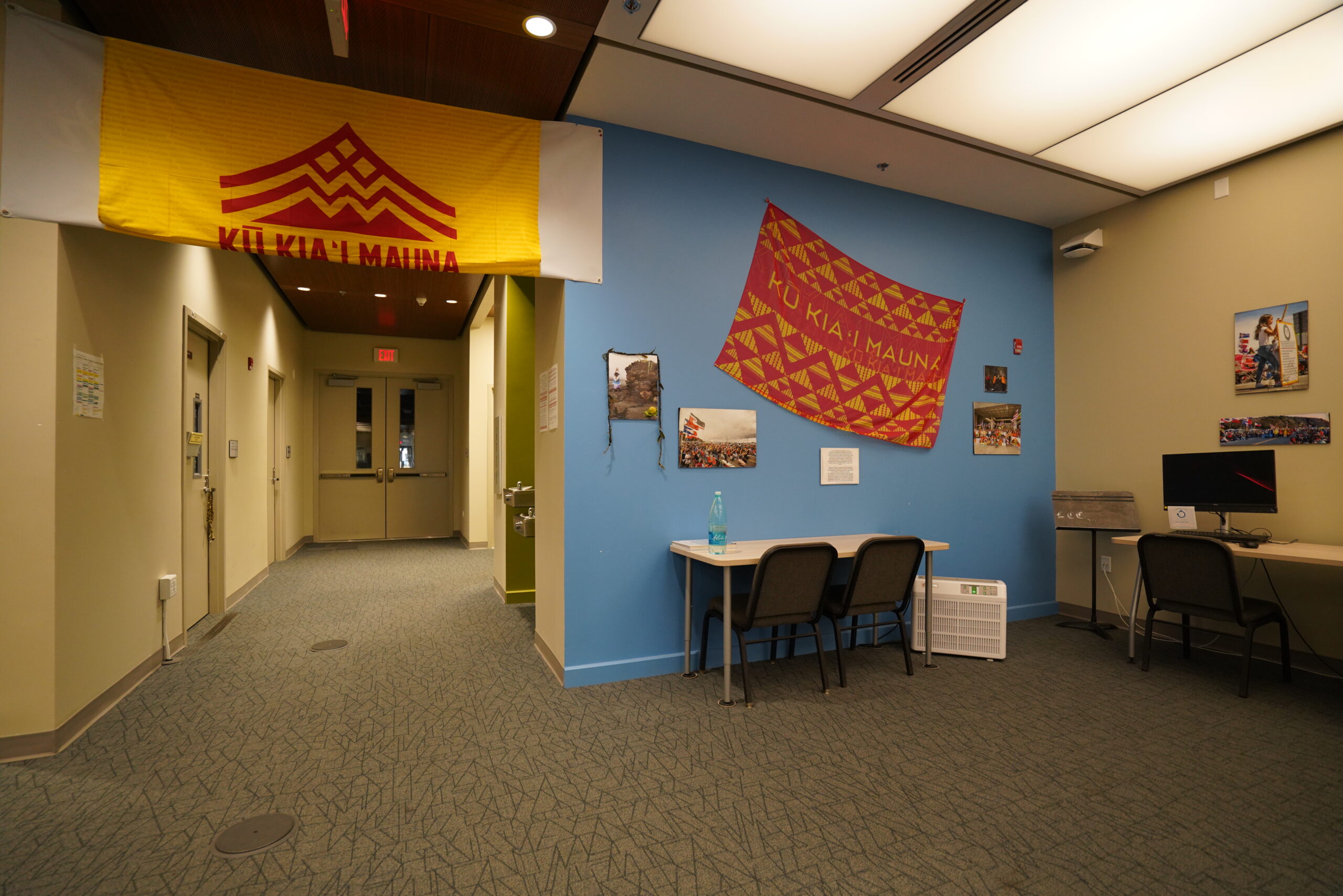
This photo gallery is curated to share high quality digital photos. Users of this gallery find images from Leeward Community College Puʻuloa campus and learning centers. Essential to the work of indigenization is the connection to ʻāina. Photos of the service area of Leeward CC include places of Indigenous education, practice, history, and community. If you are interested in the complete gallery of photos, contact the Coordinator of the Innovation Center of Teaching and Learning at enkt@hawaii.edu.
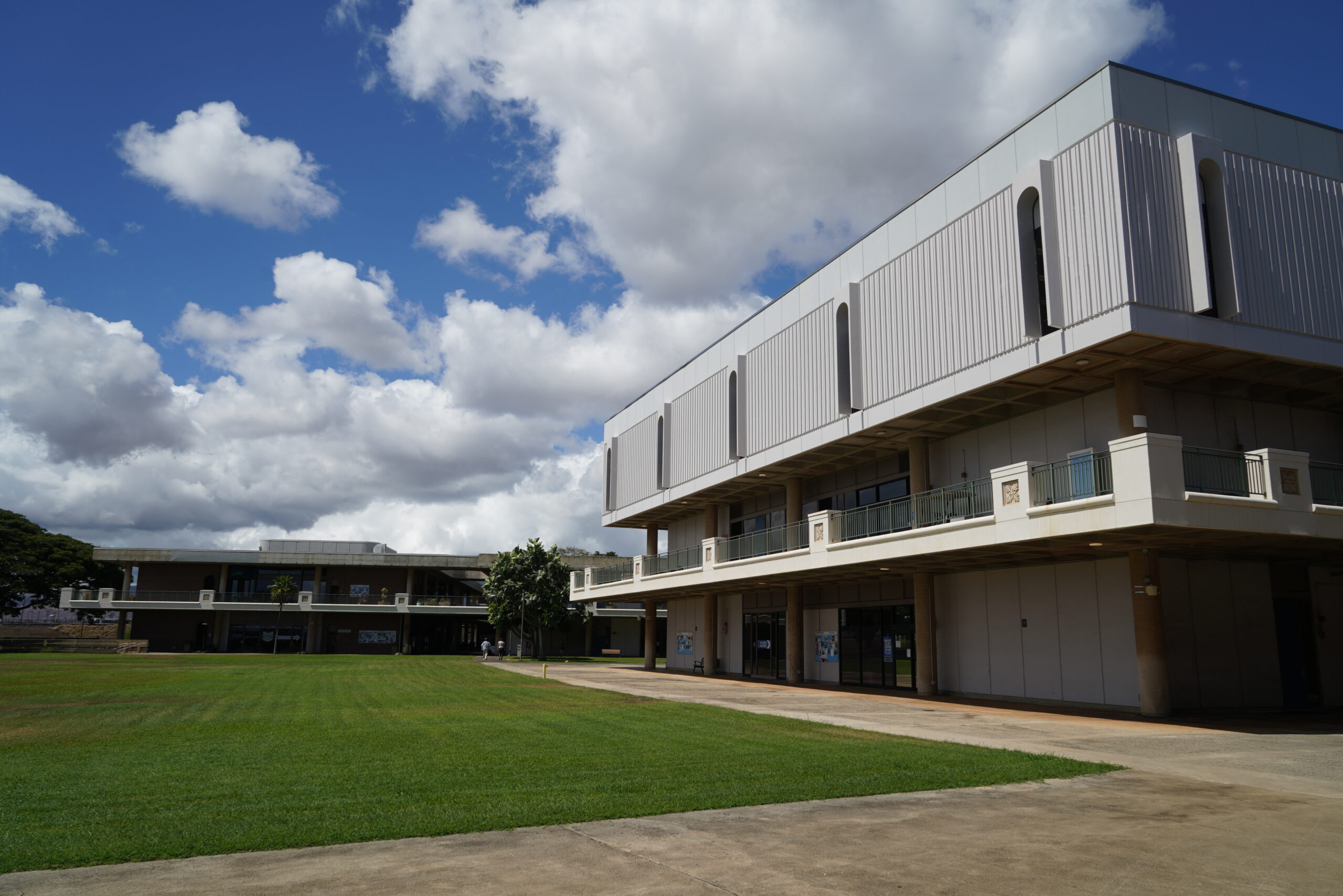
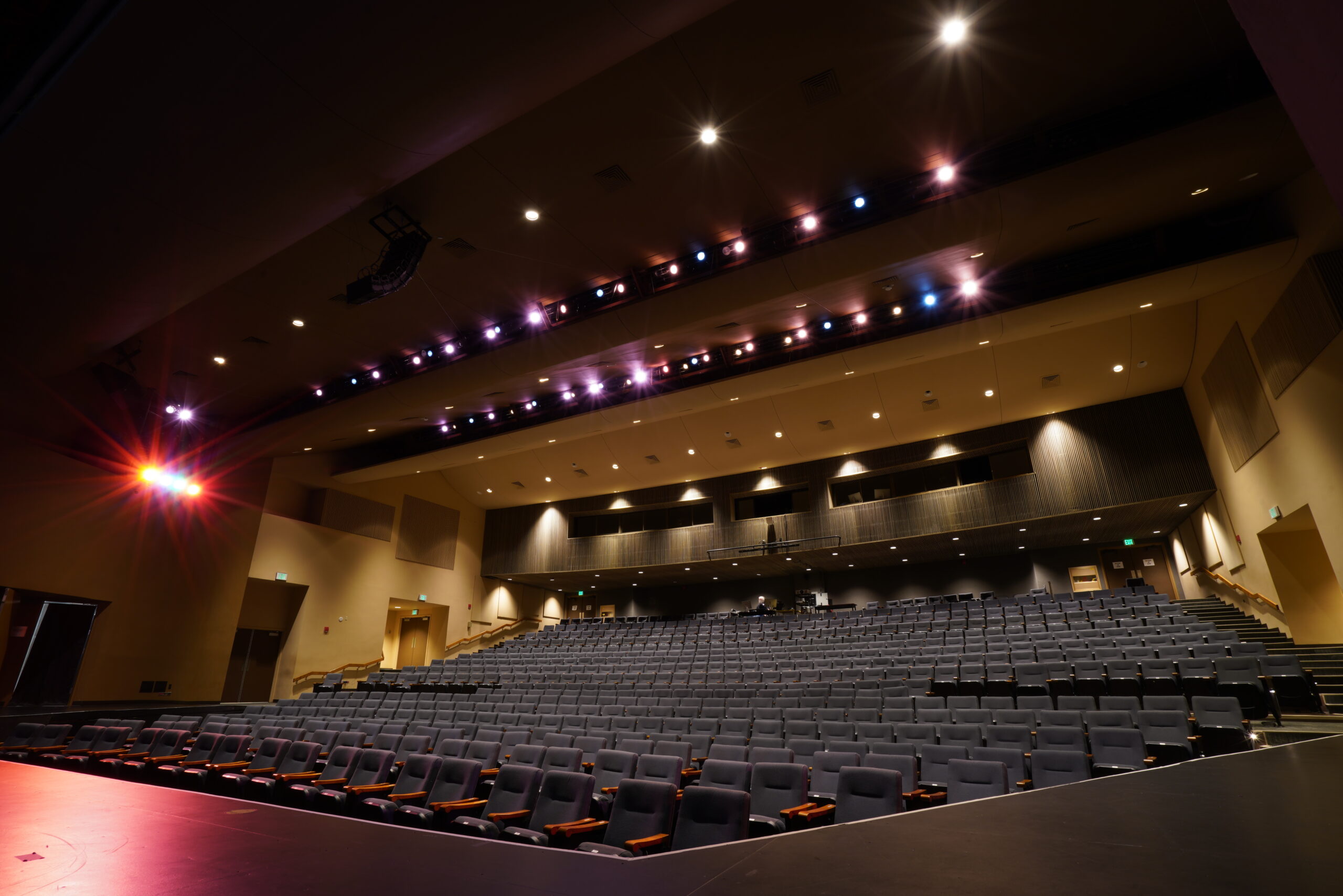
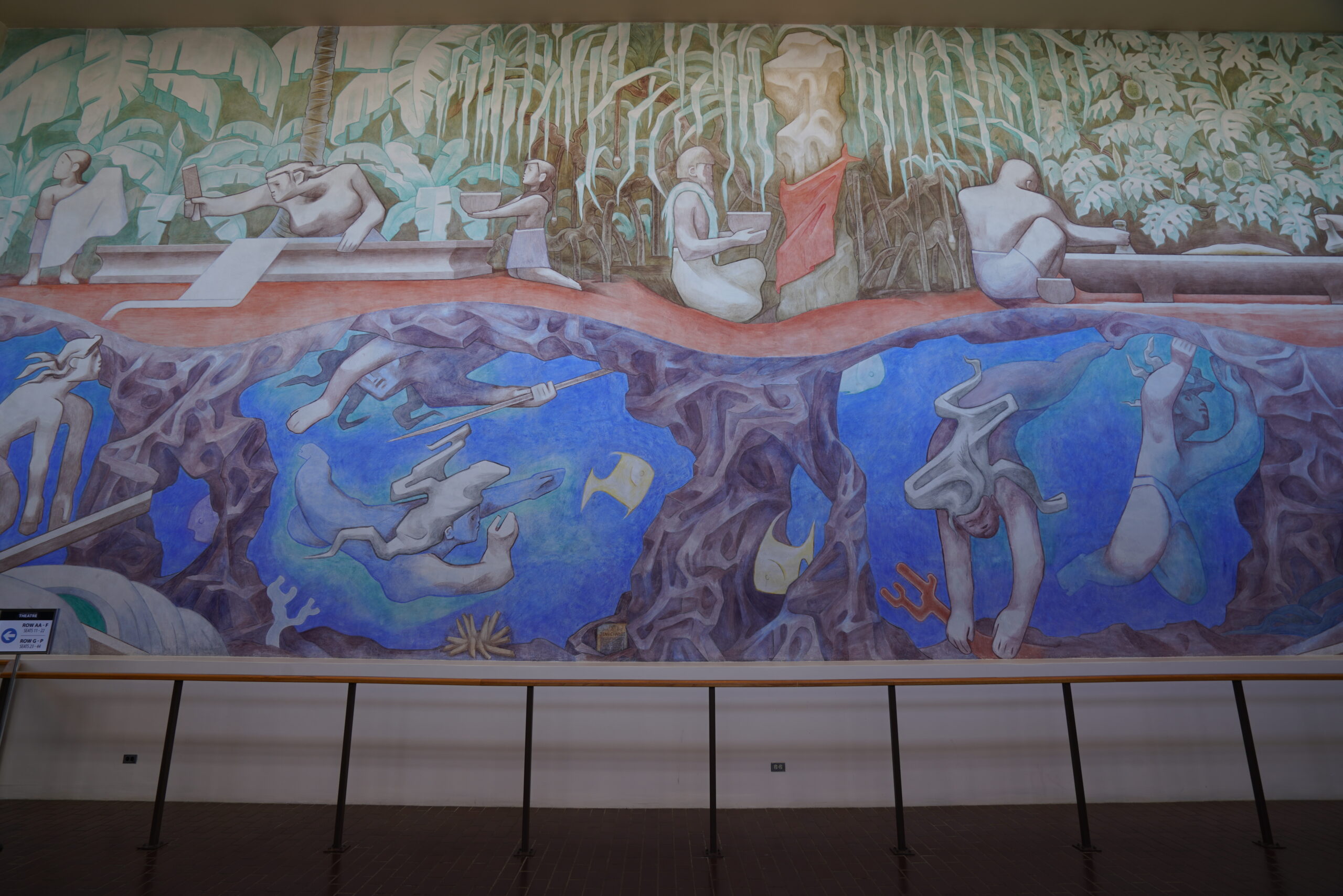
PUʻULOA
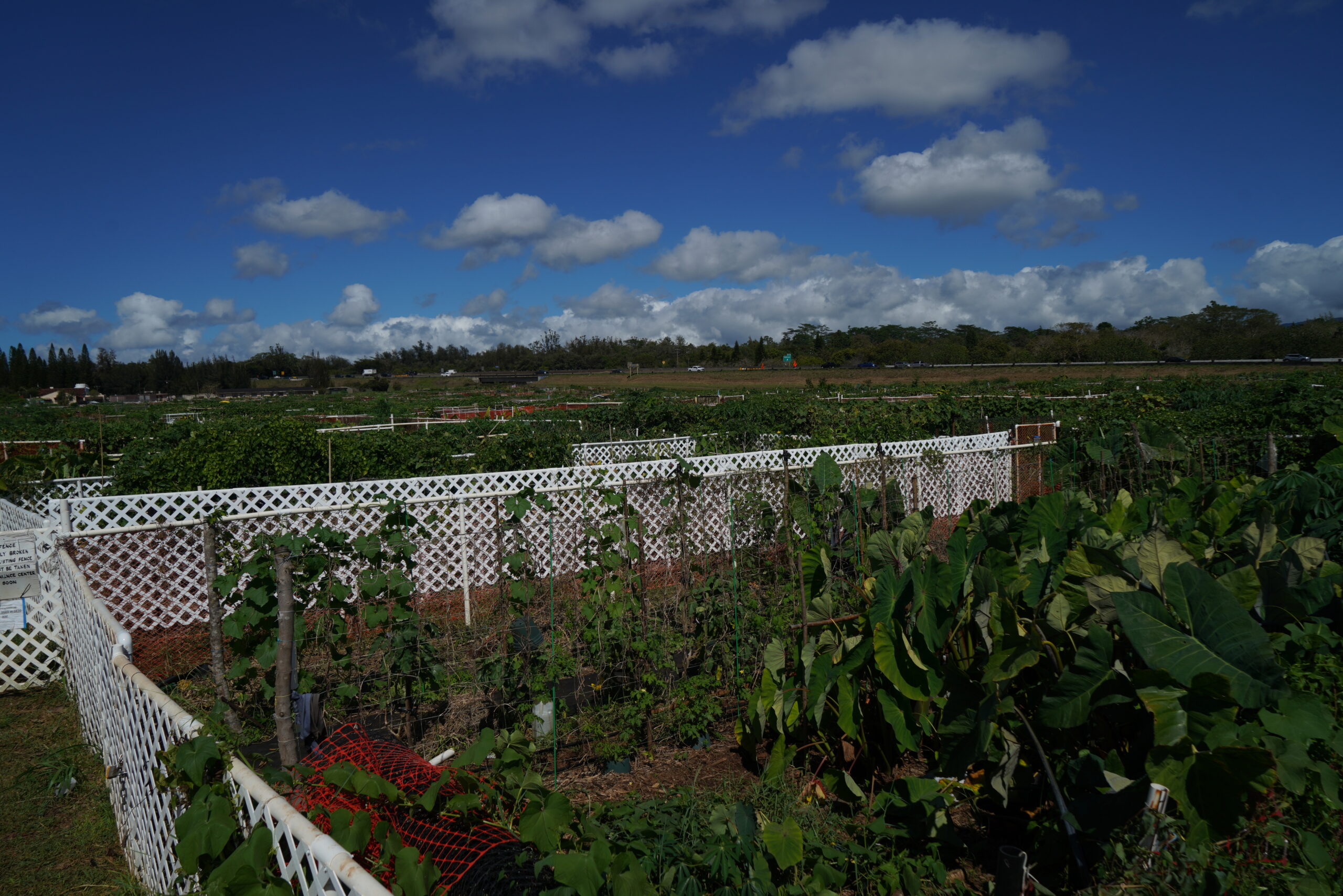
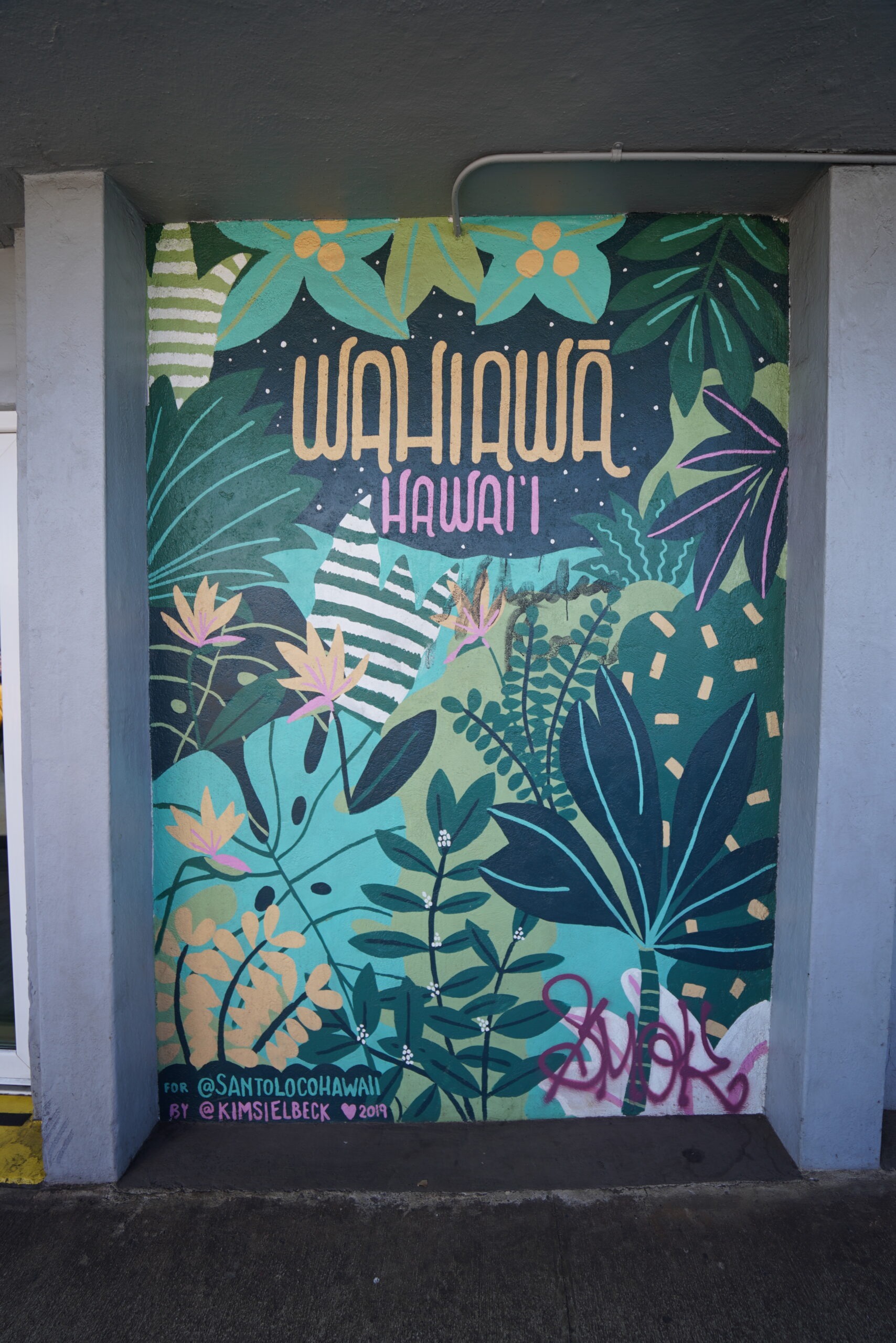
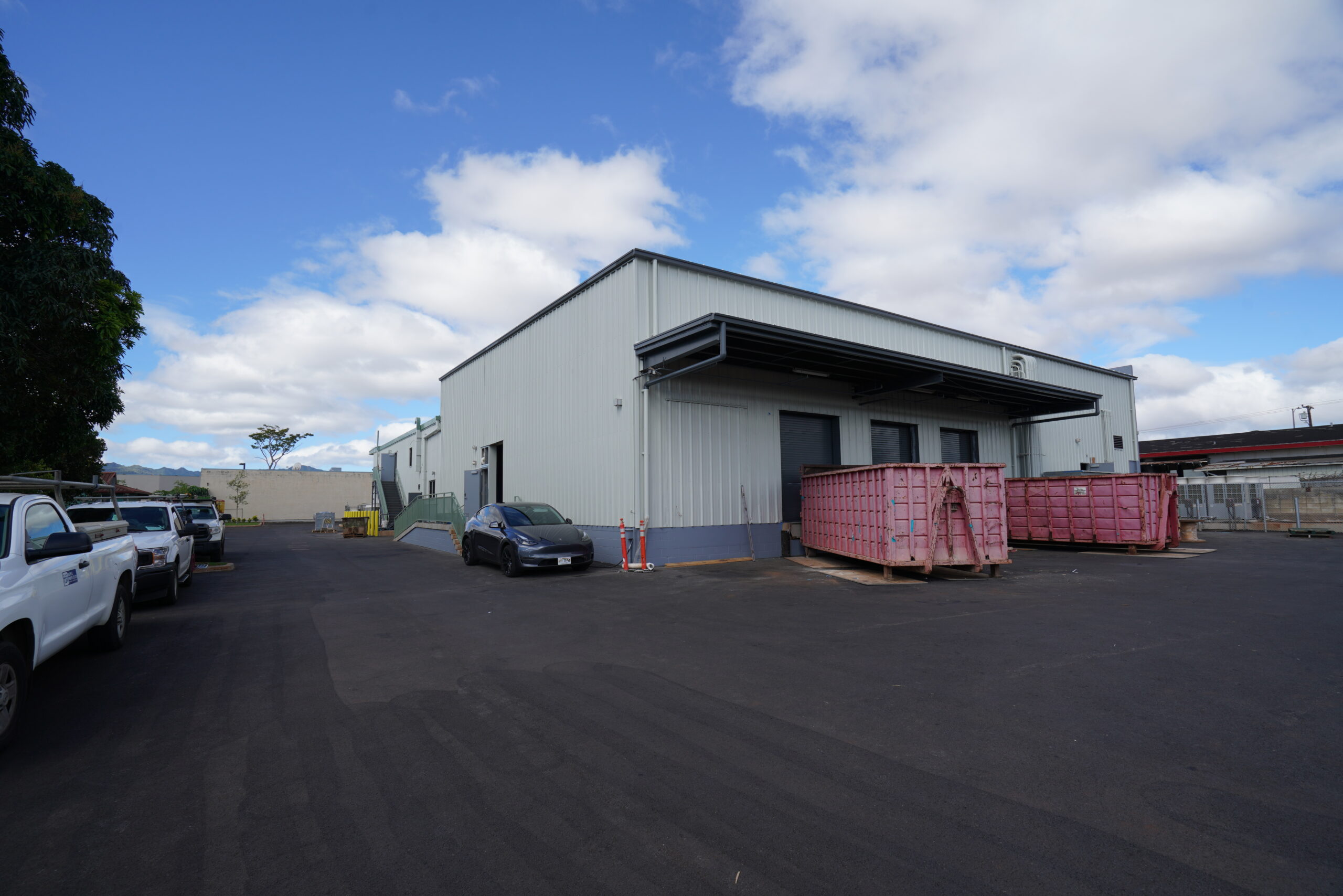
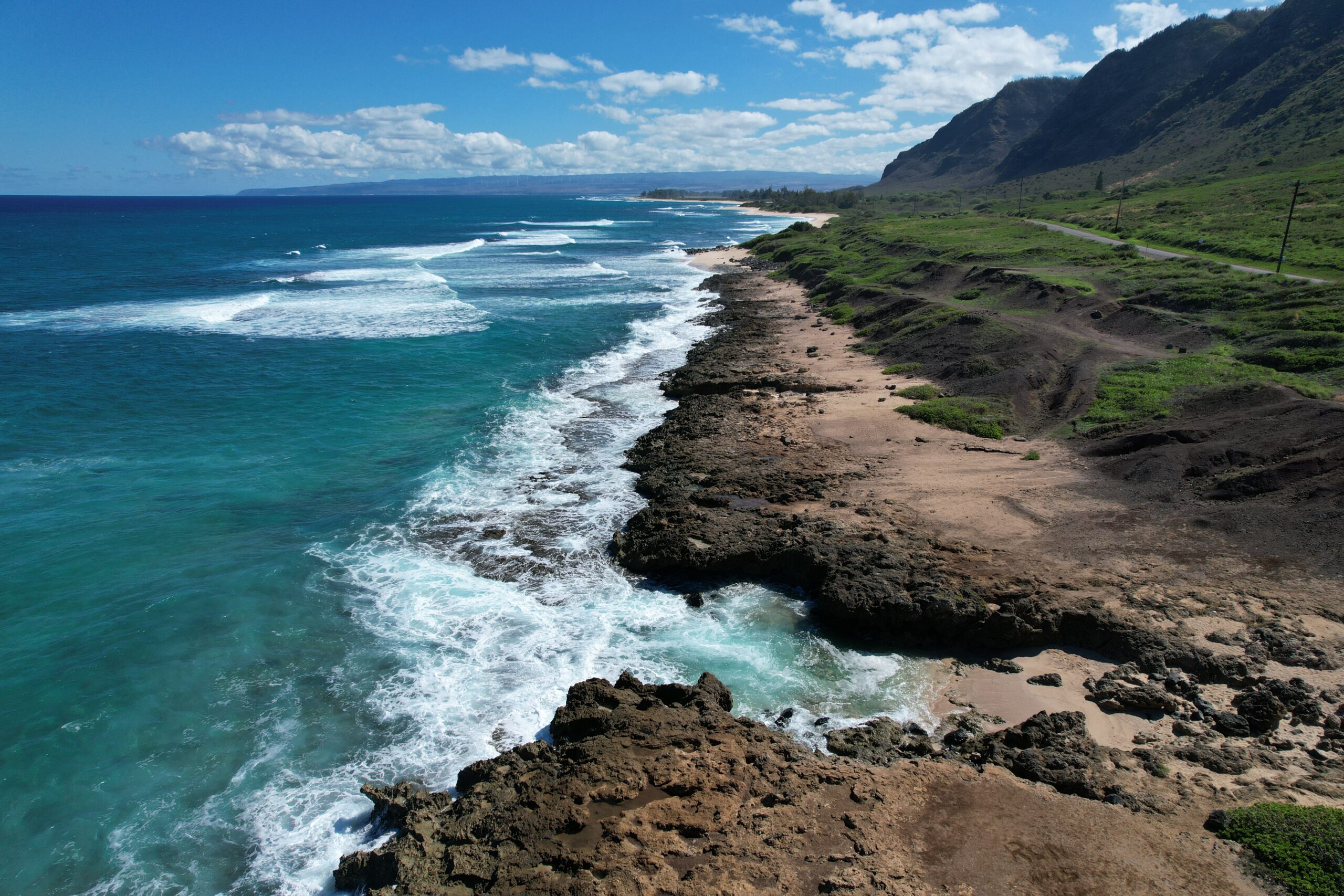
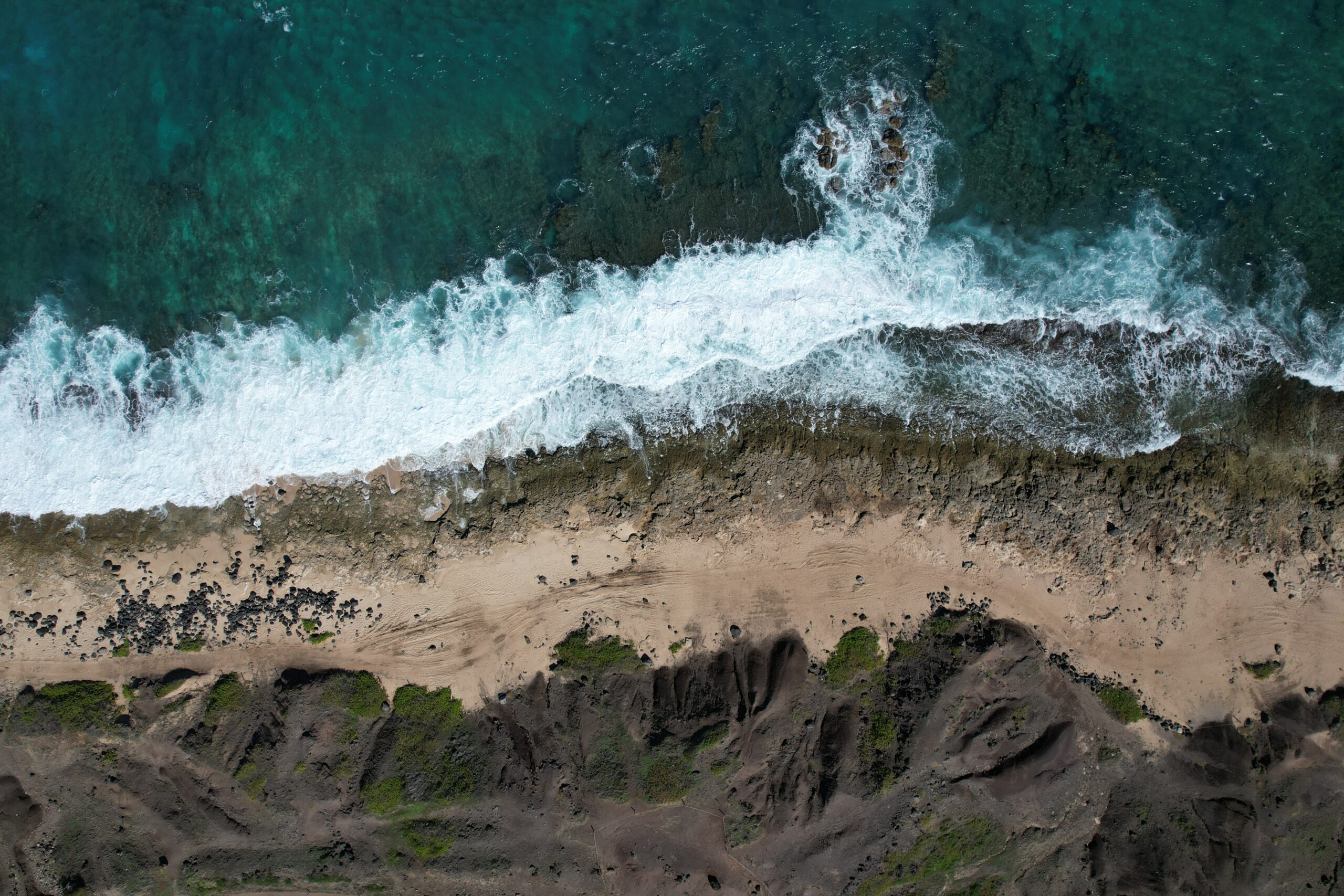
WAHIAWĀ-MOKULĒʻIA
WAIʻANAE
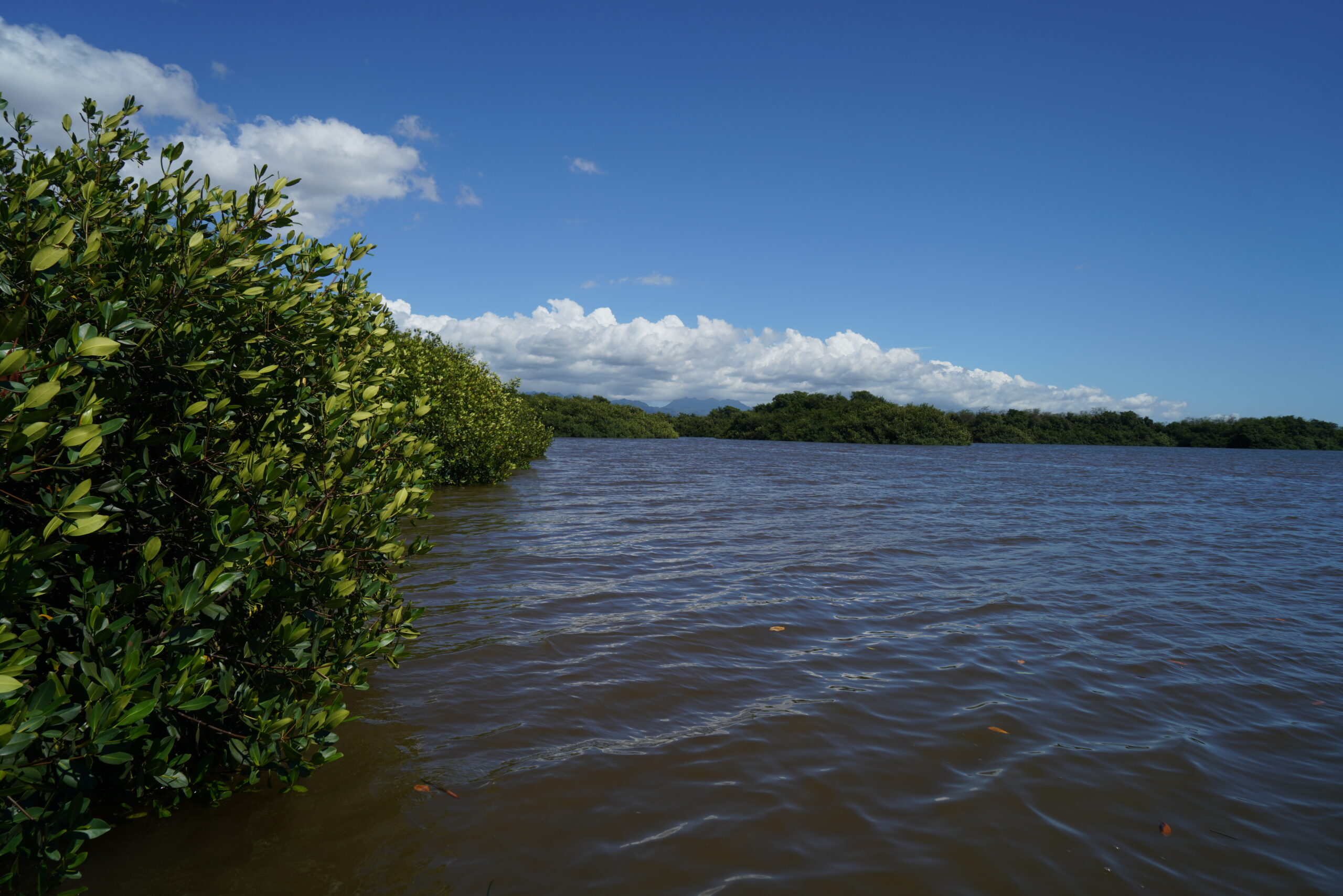
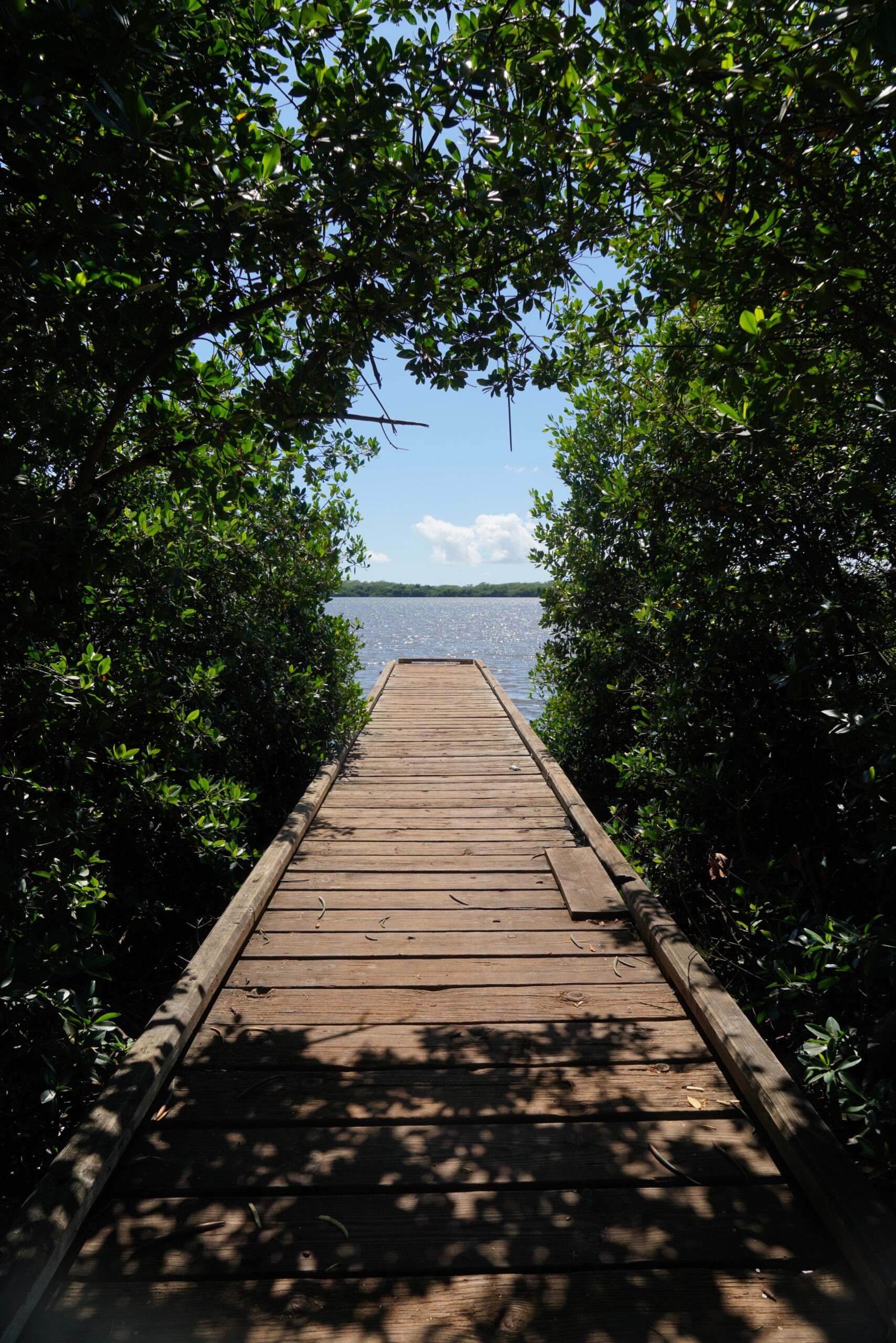
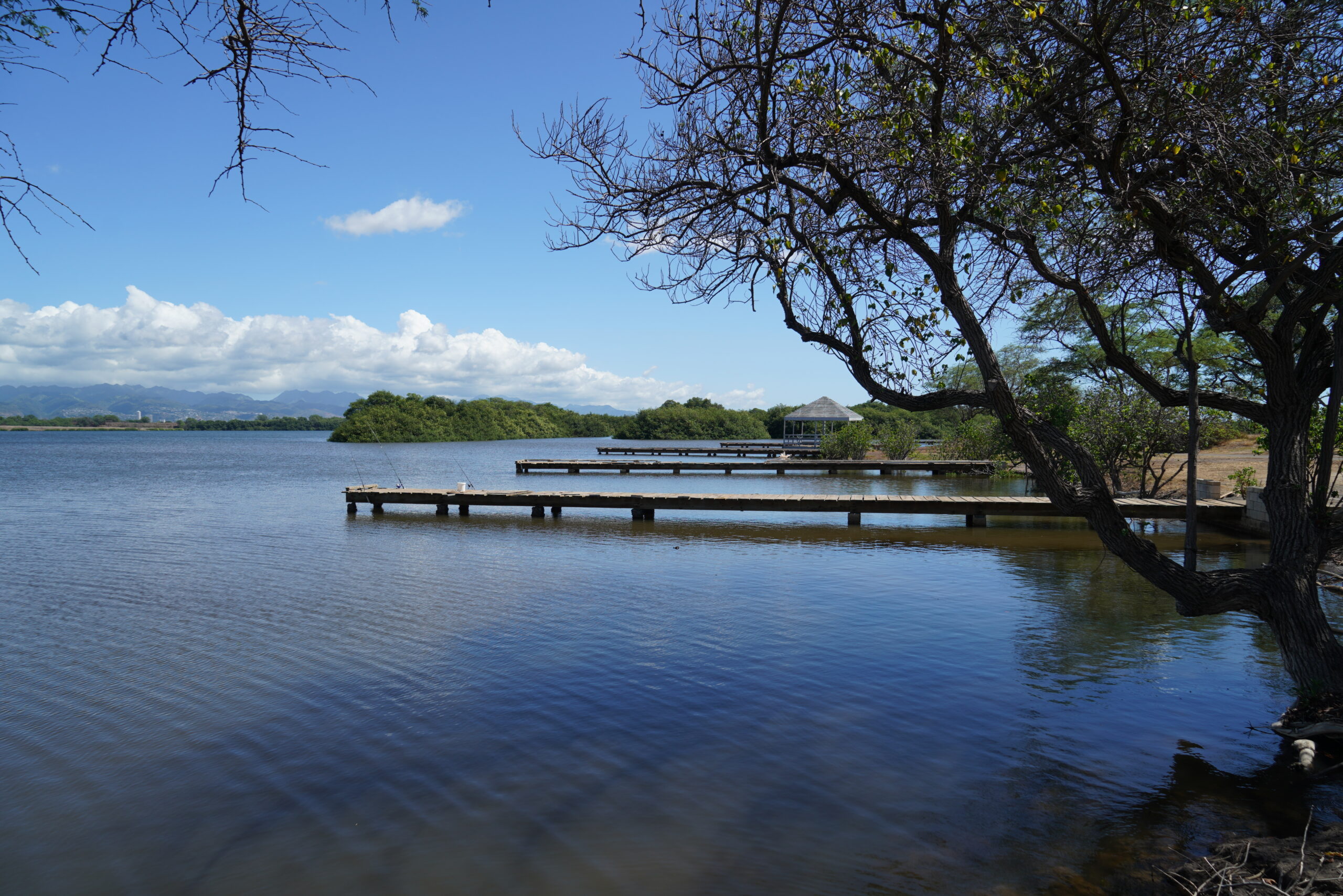
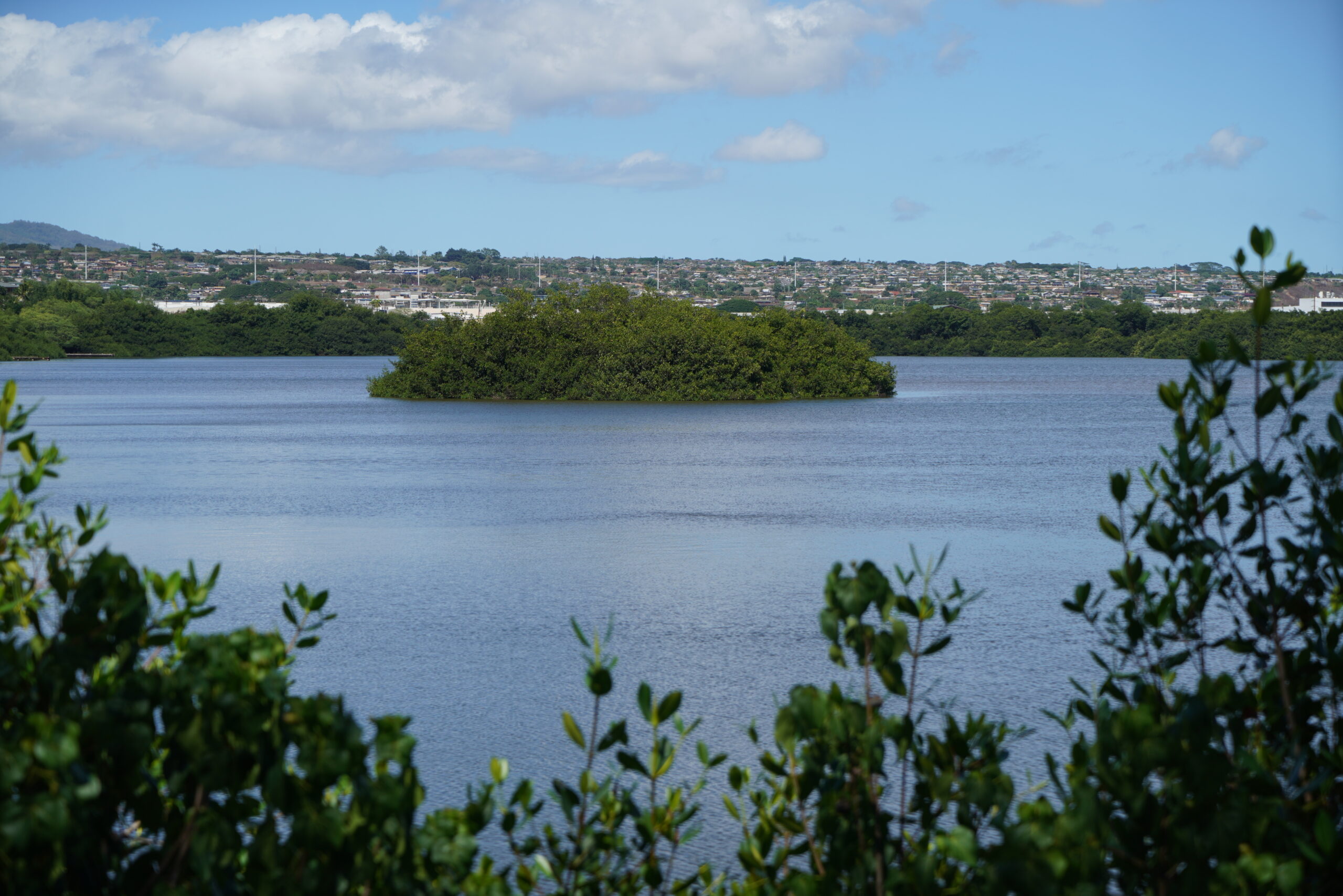
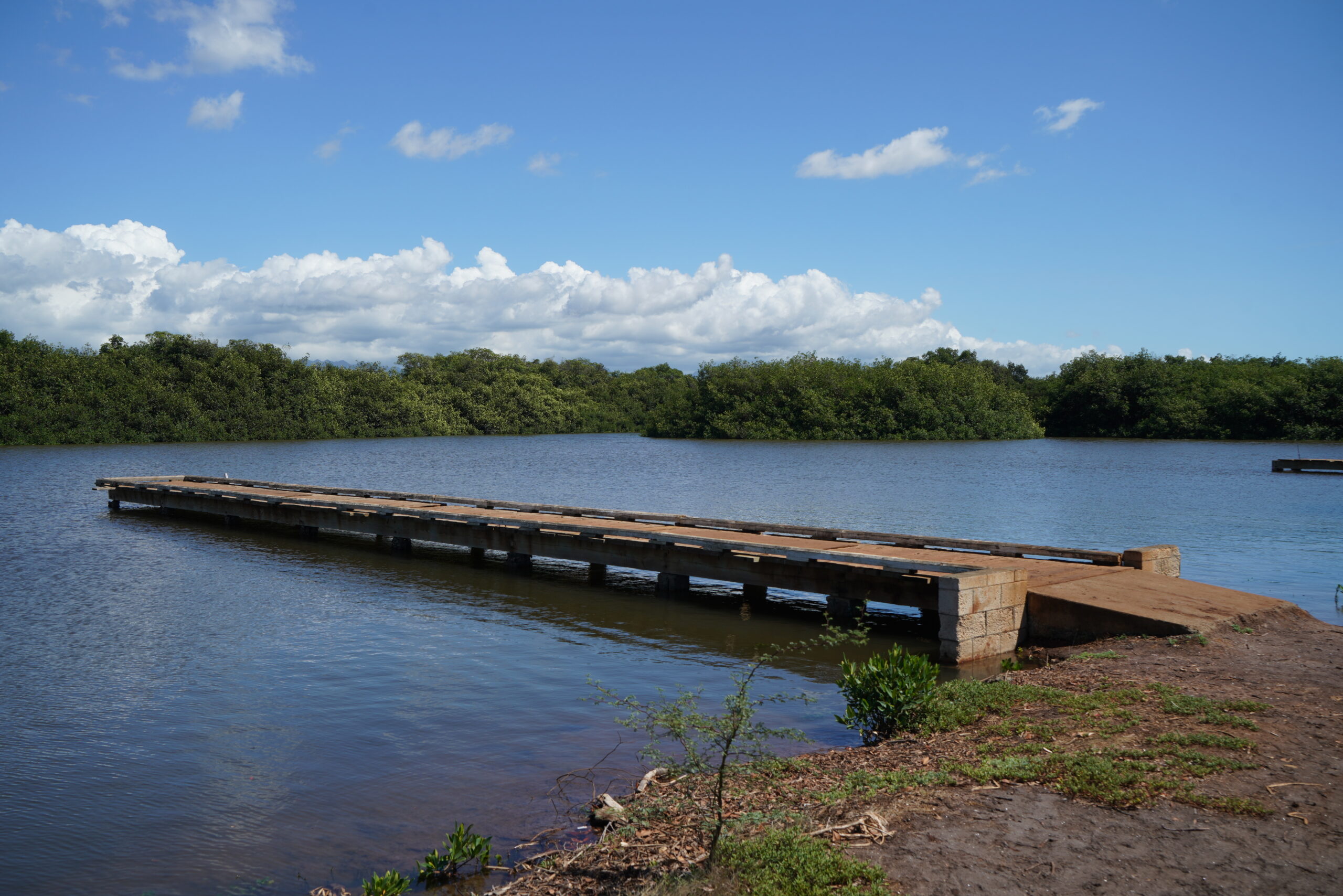
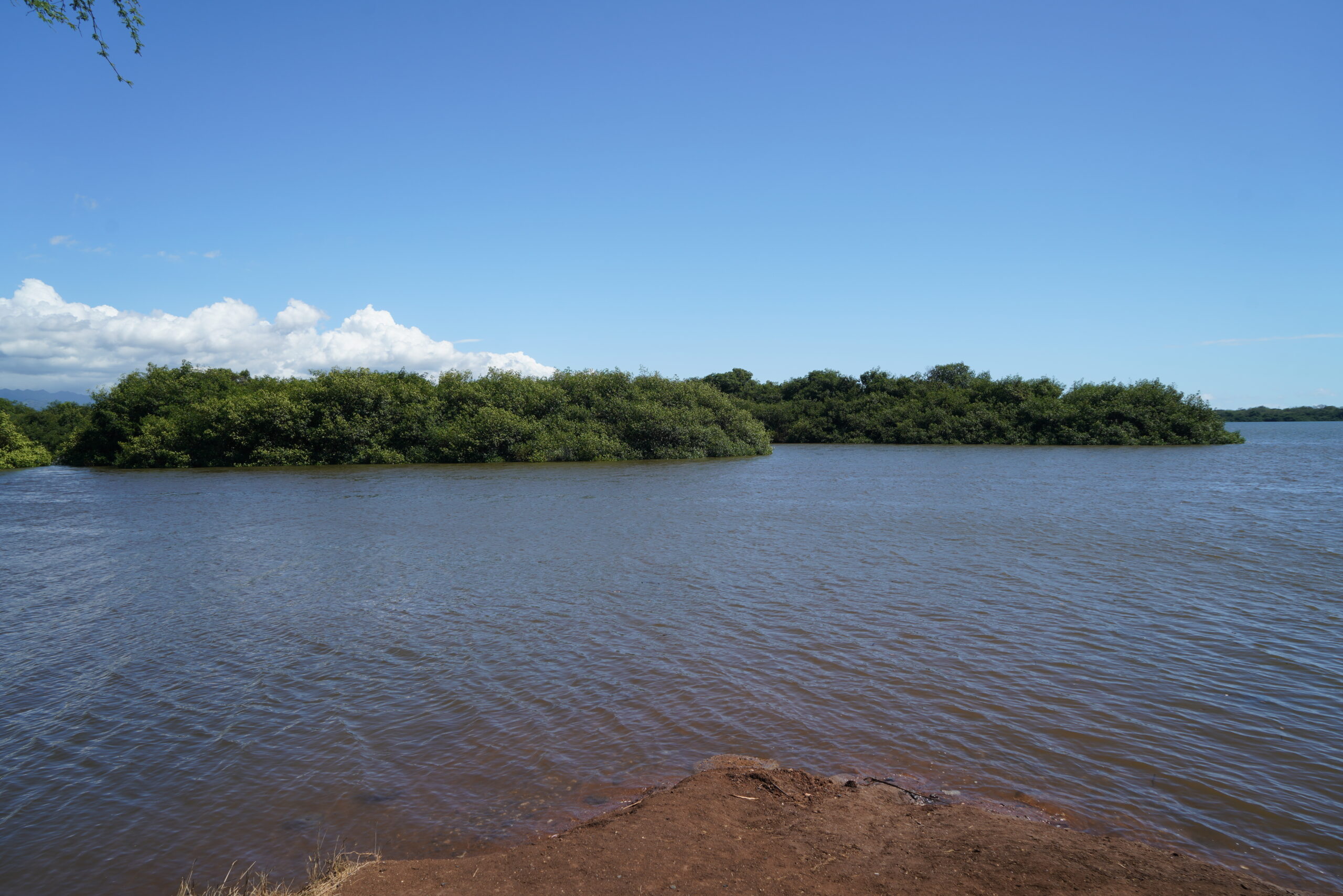
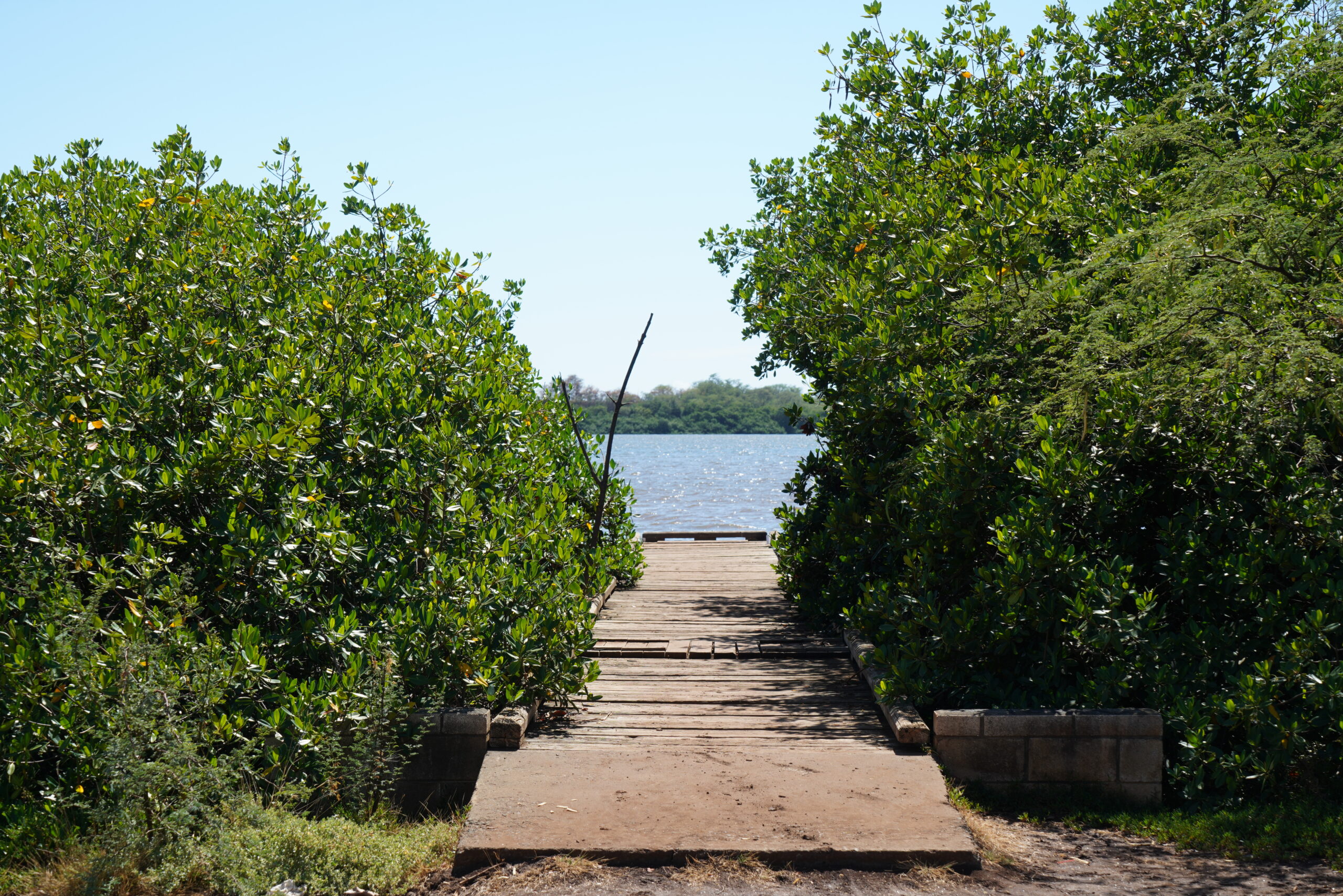
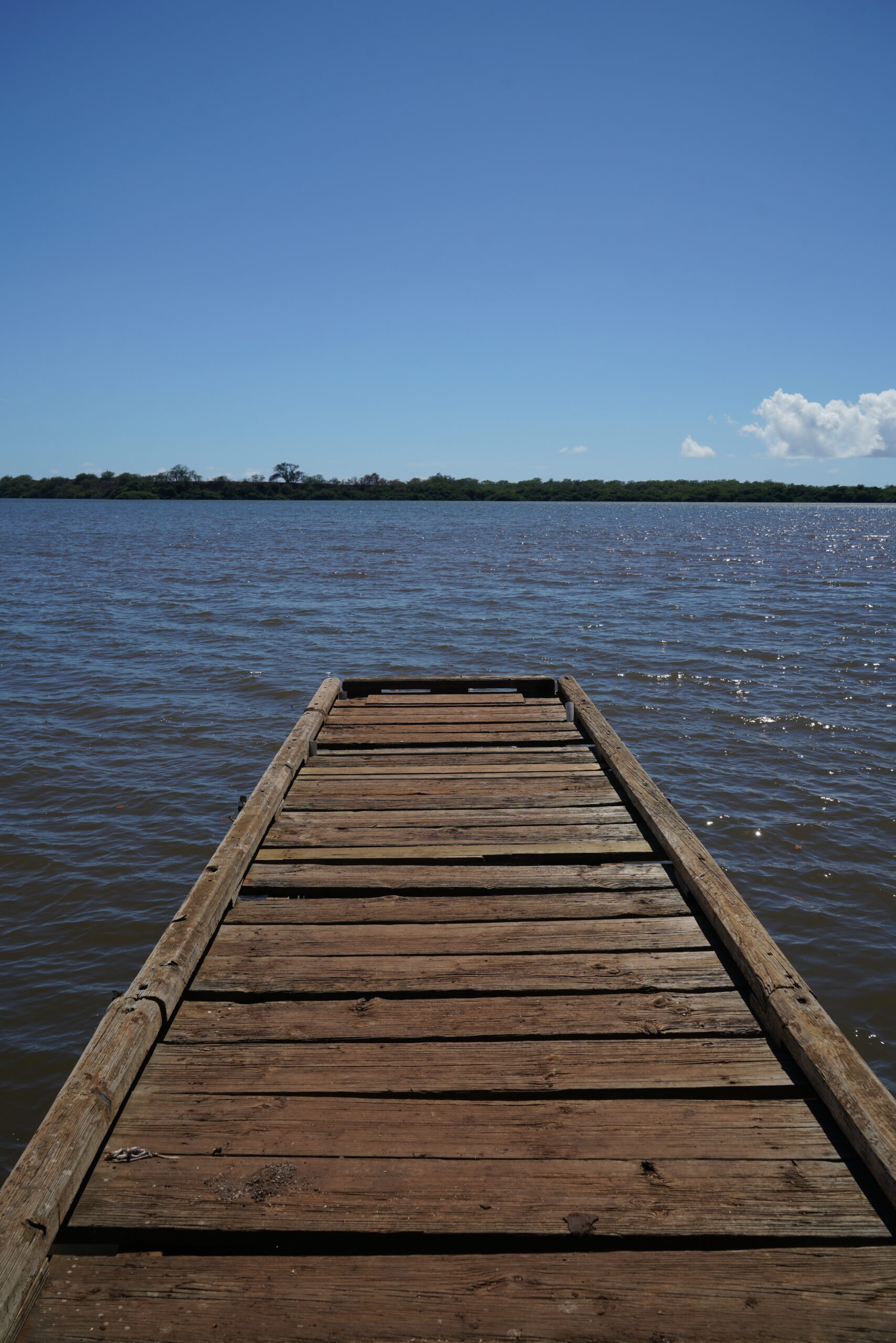
LOKO IʻA: Mālama Puʻuloa
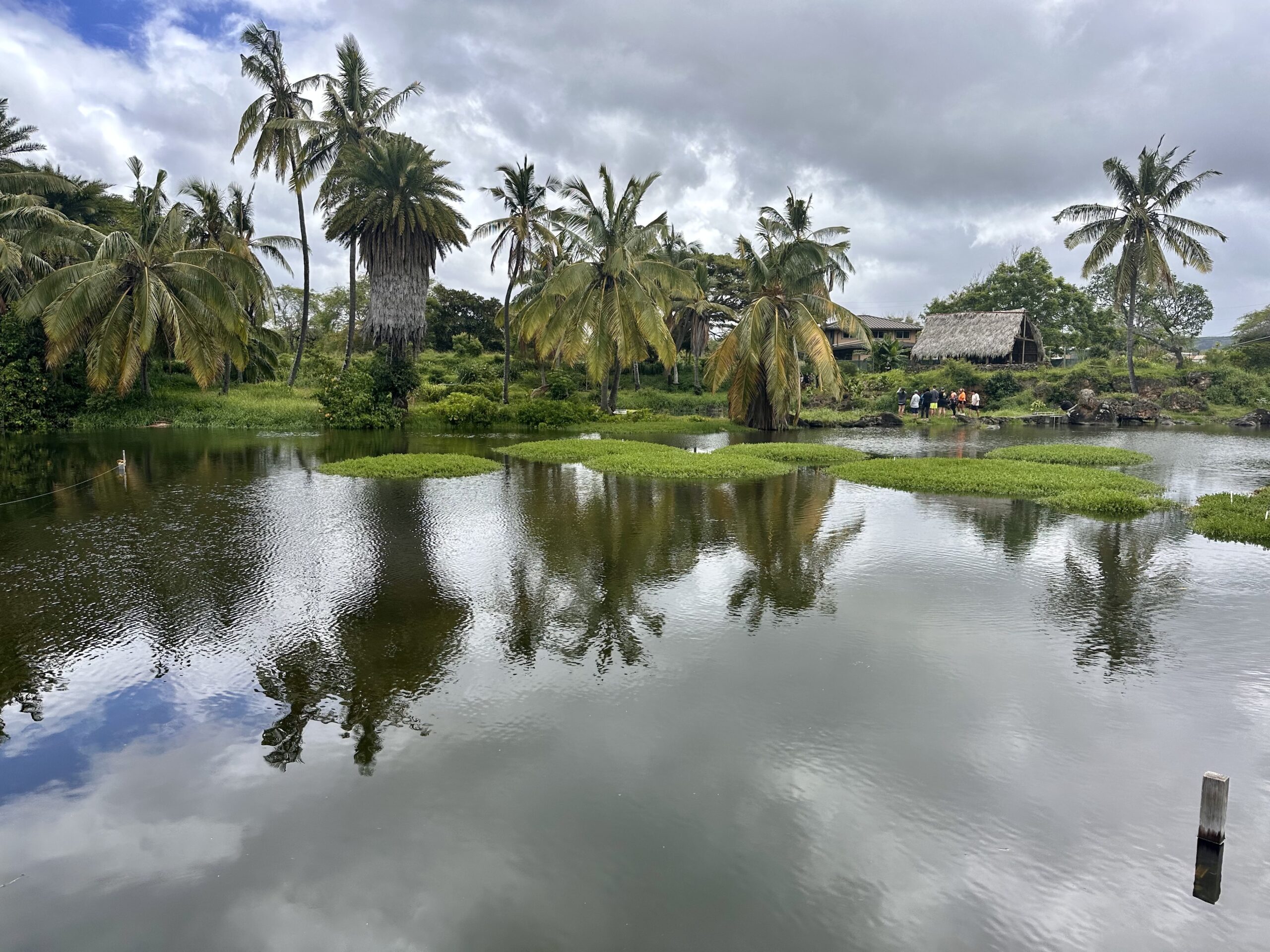
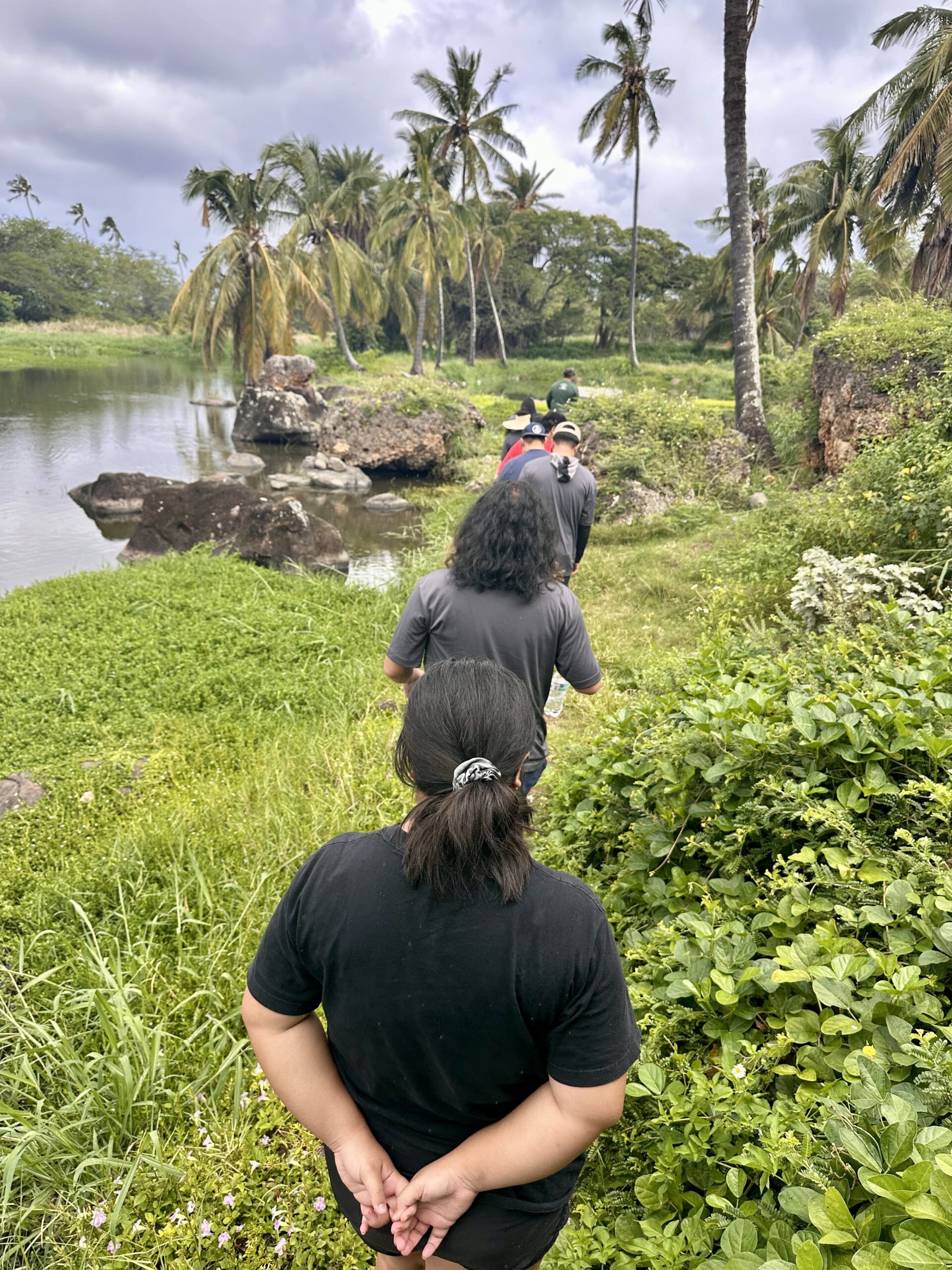
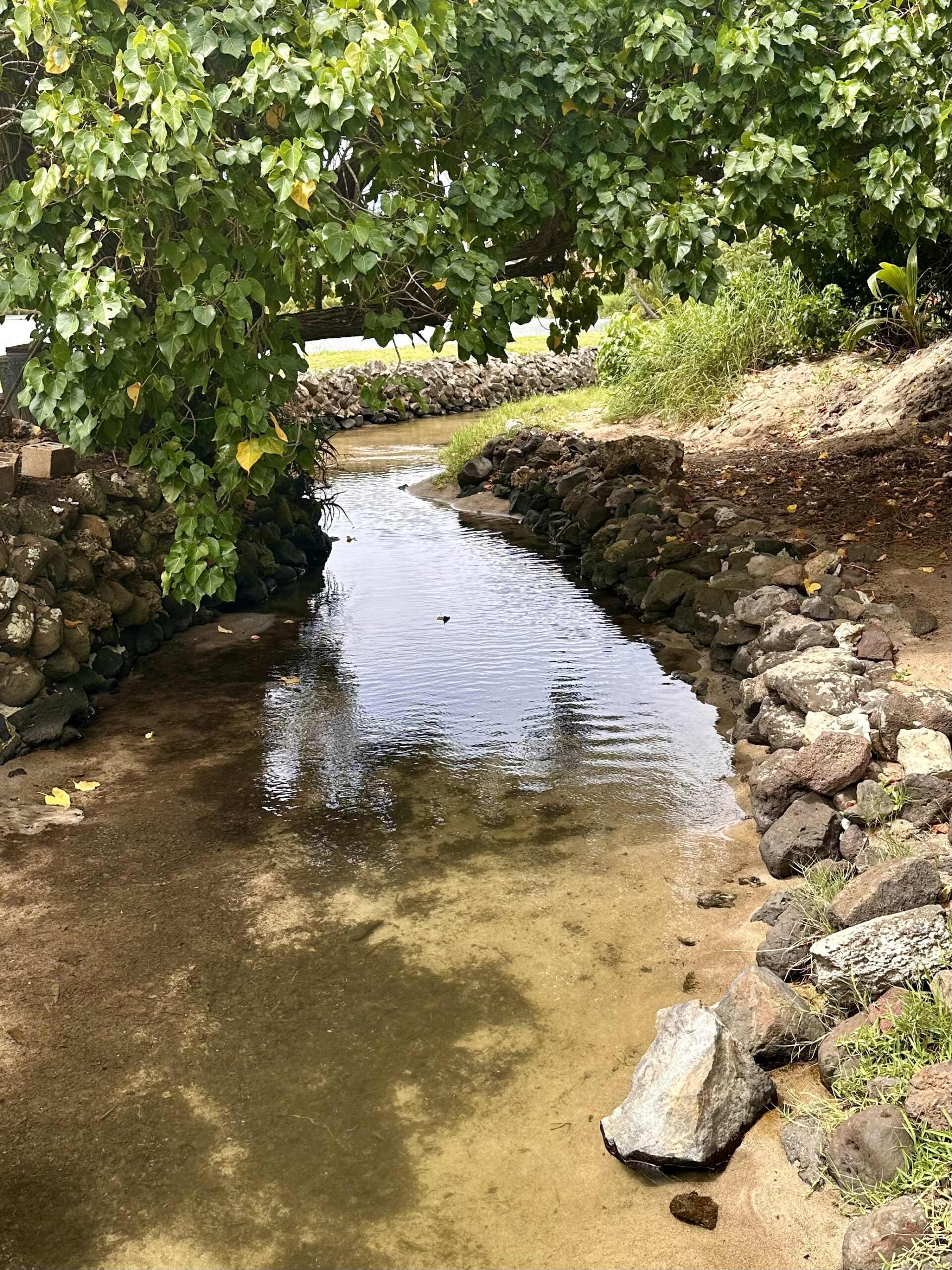
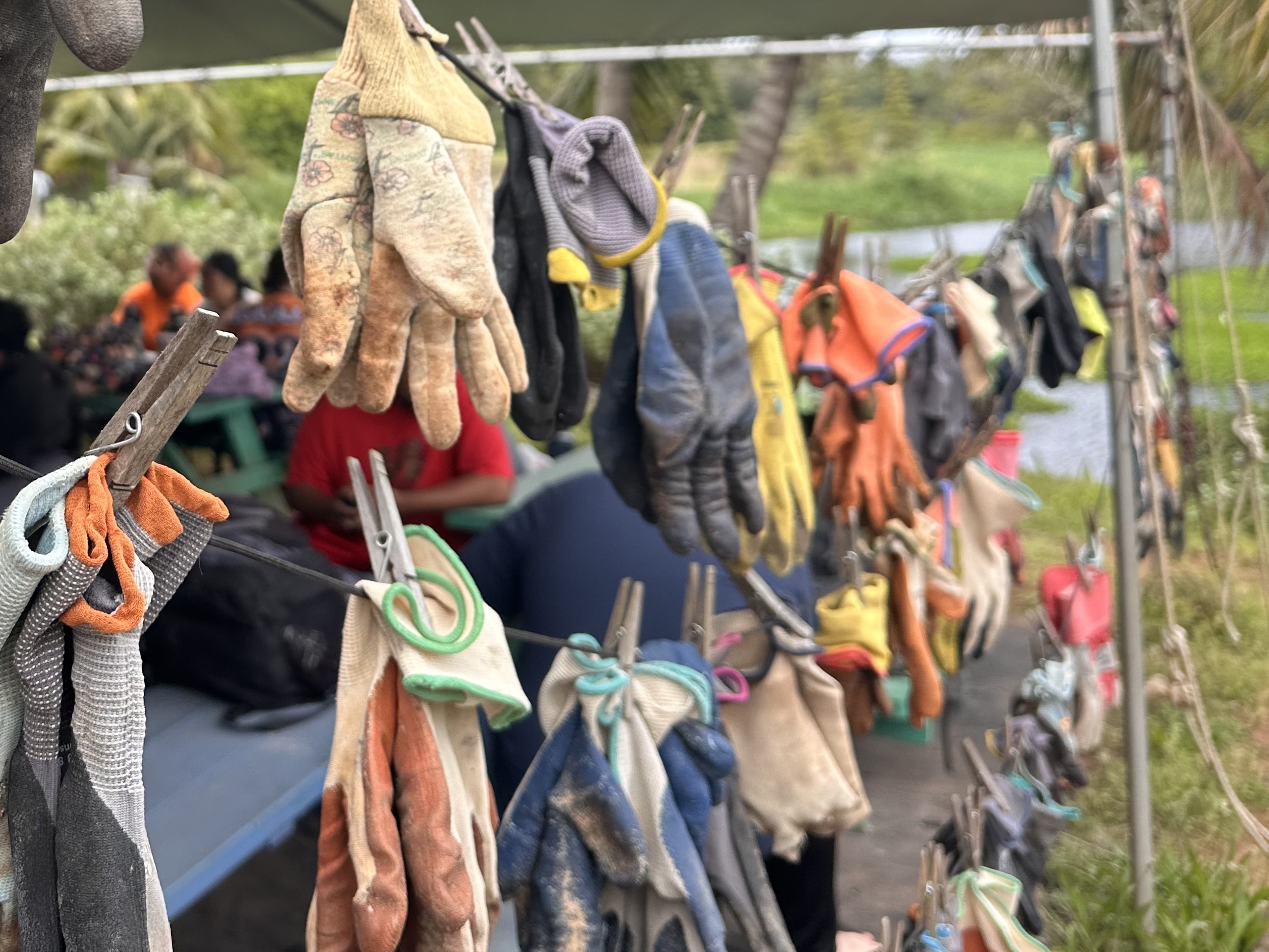
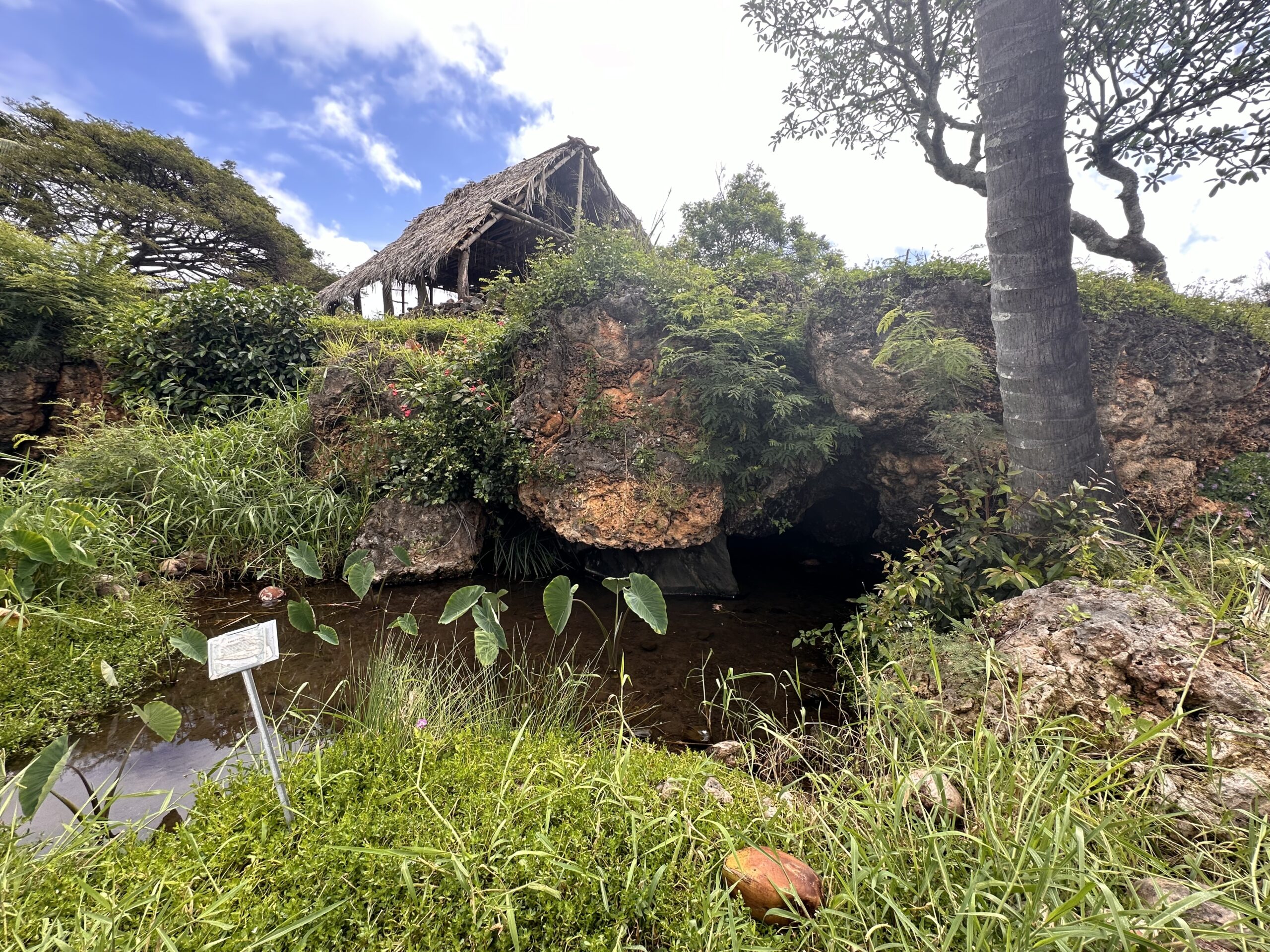
LOKO IʻA: Mālama Loko Ea
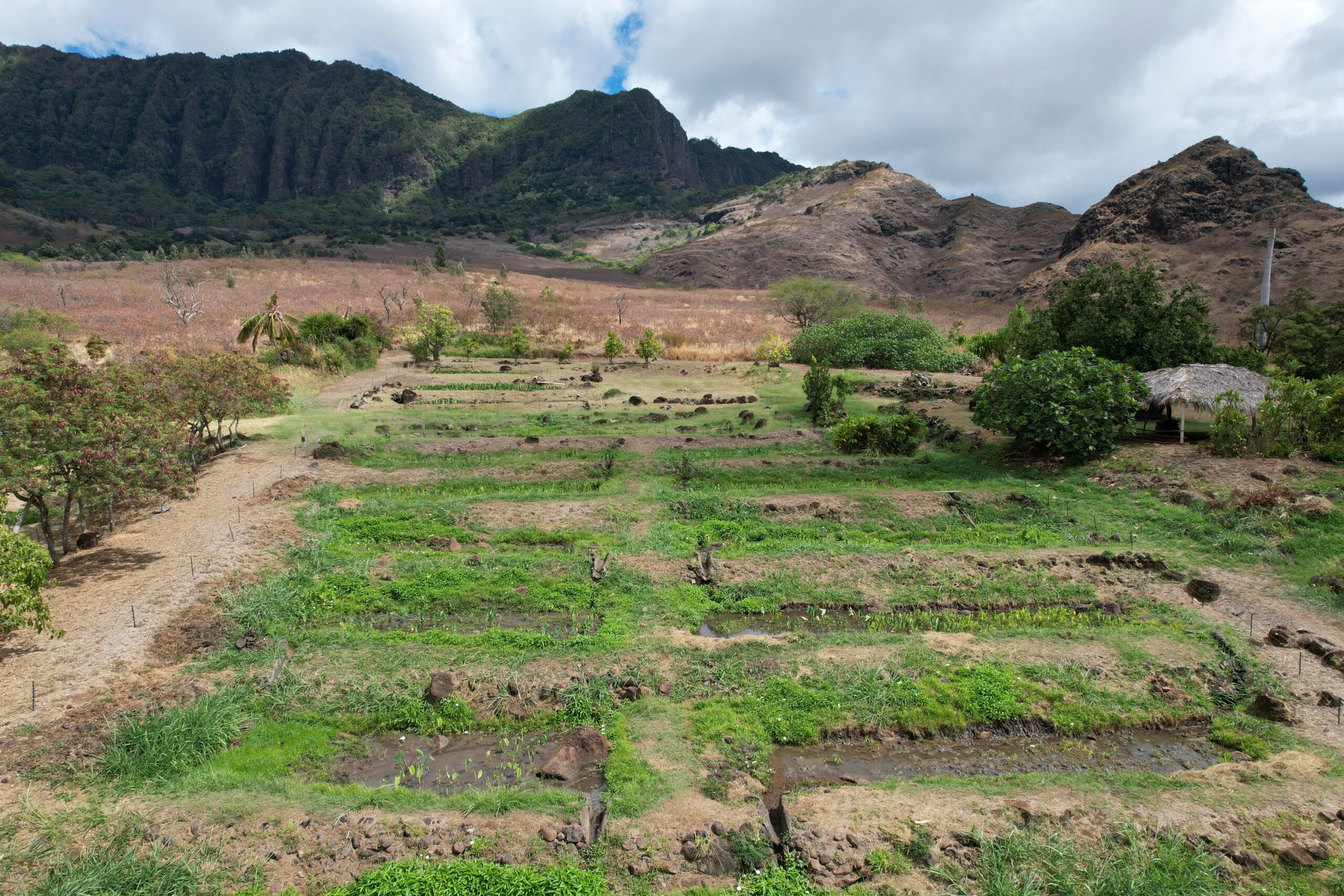
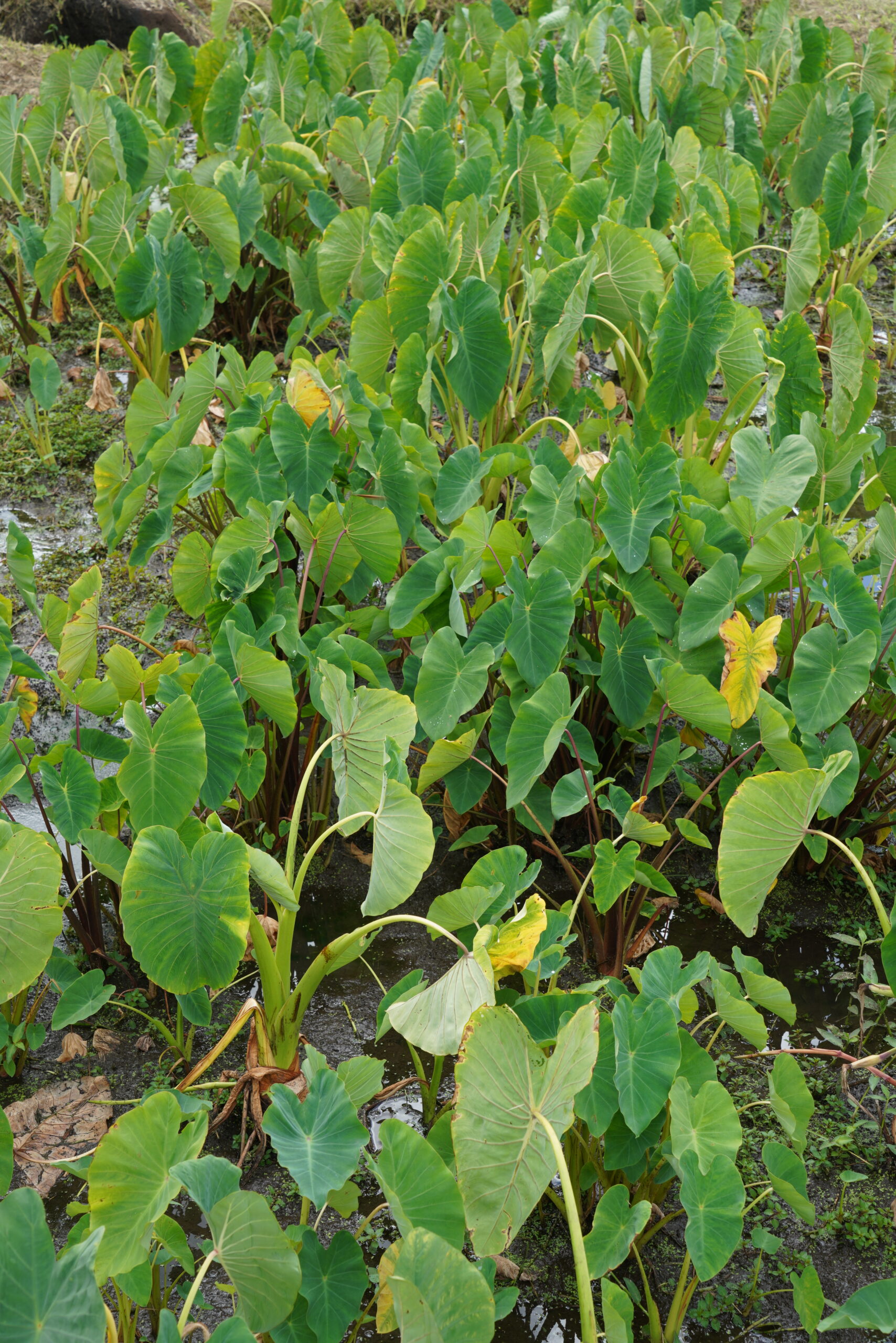
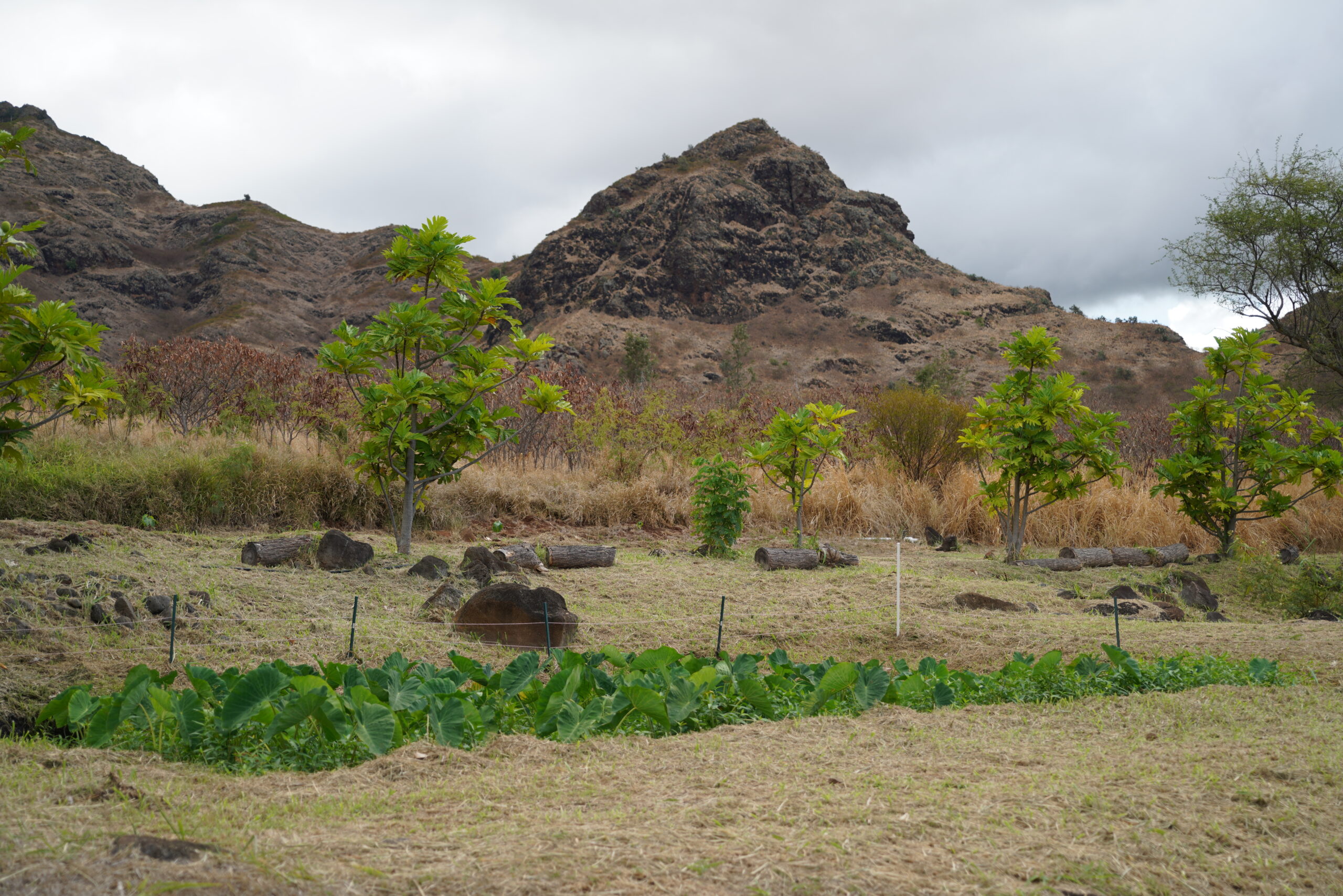
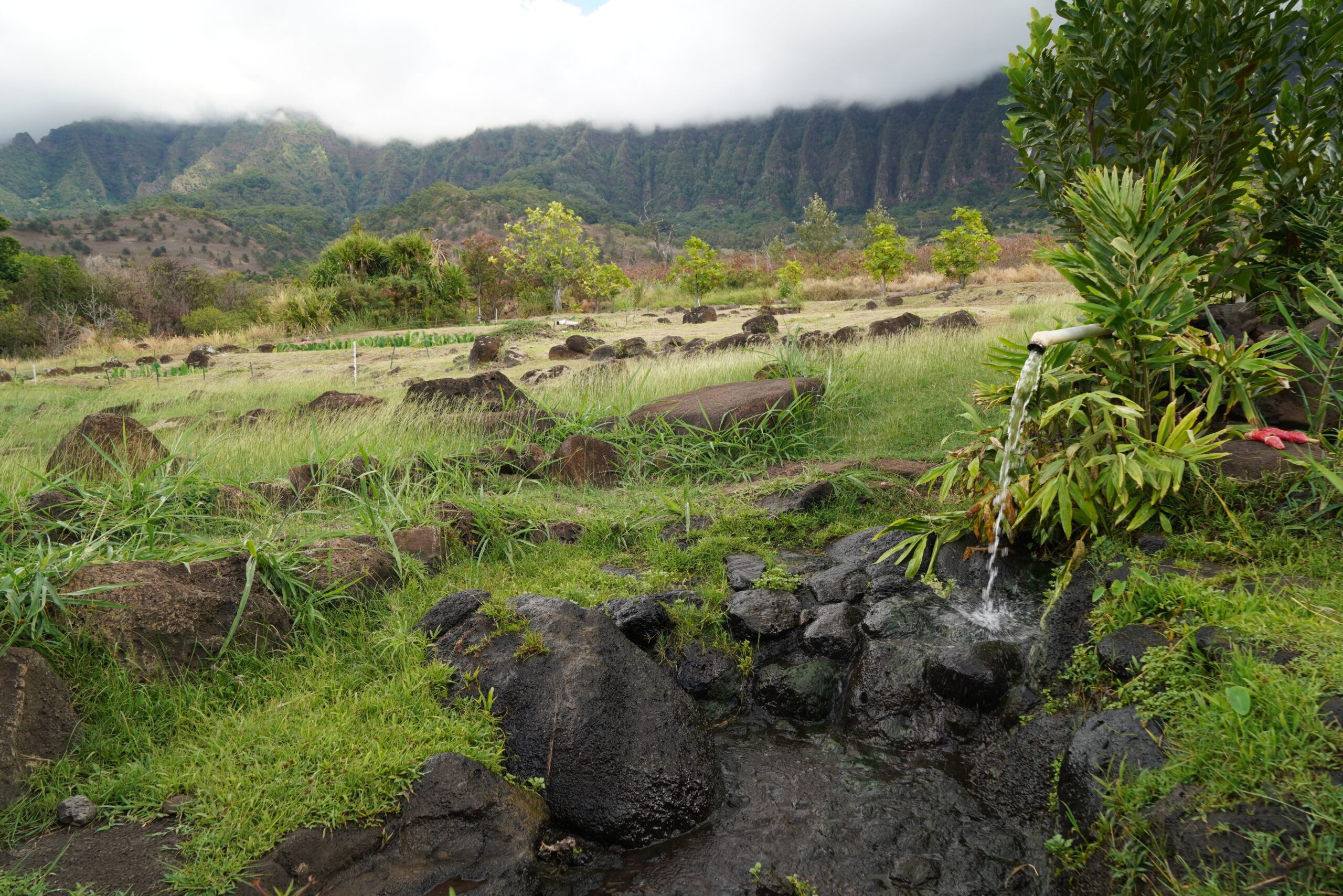
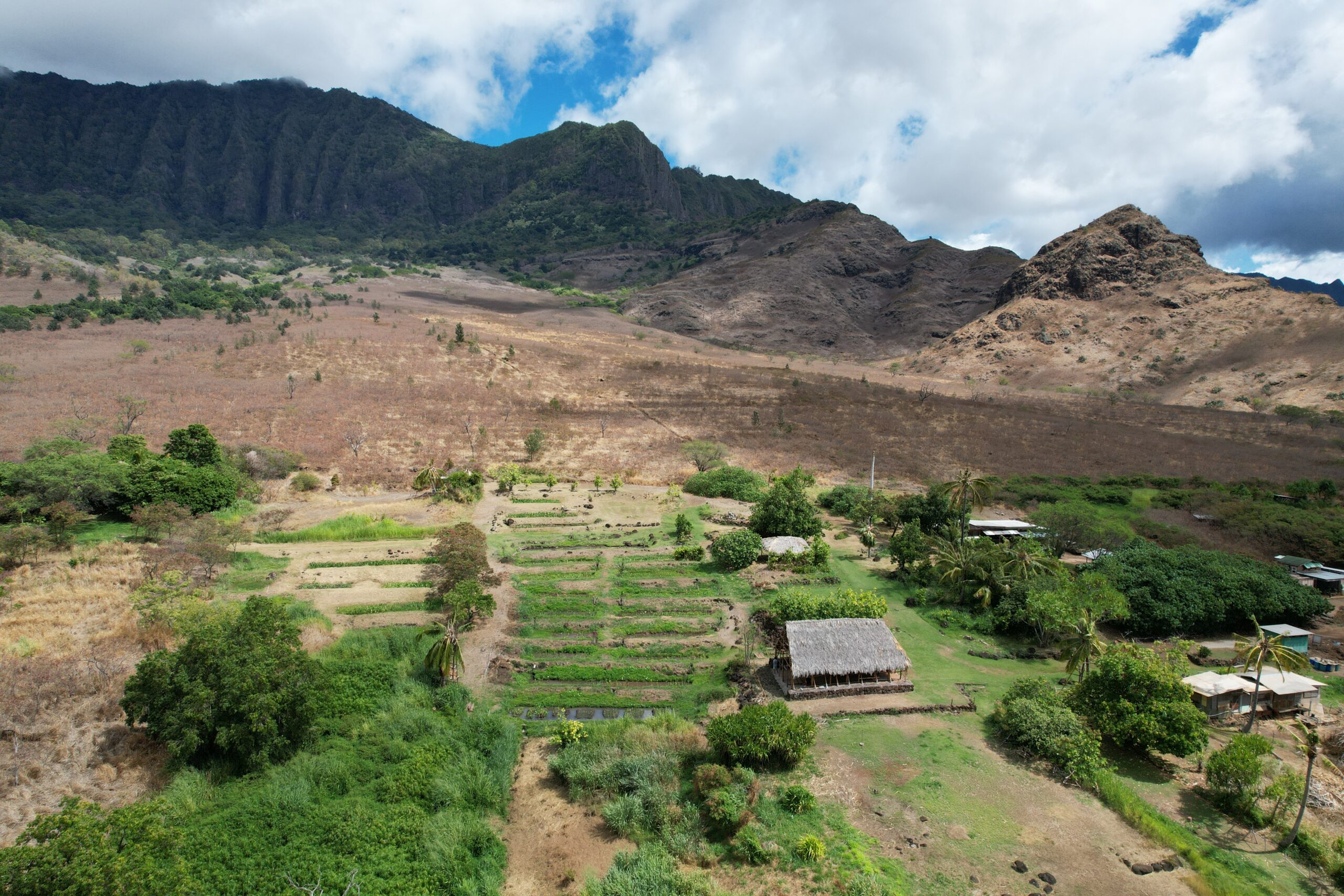
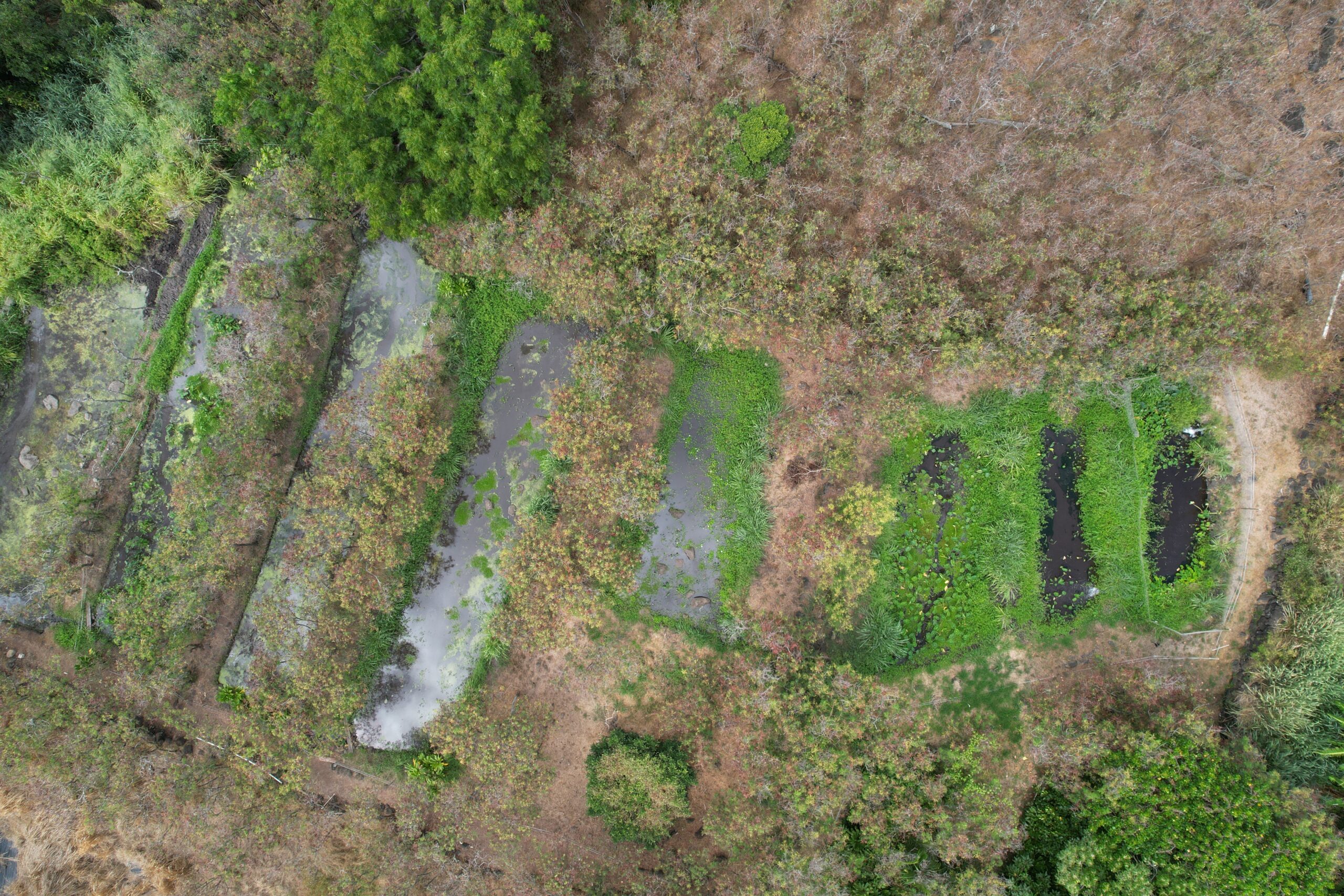
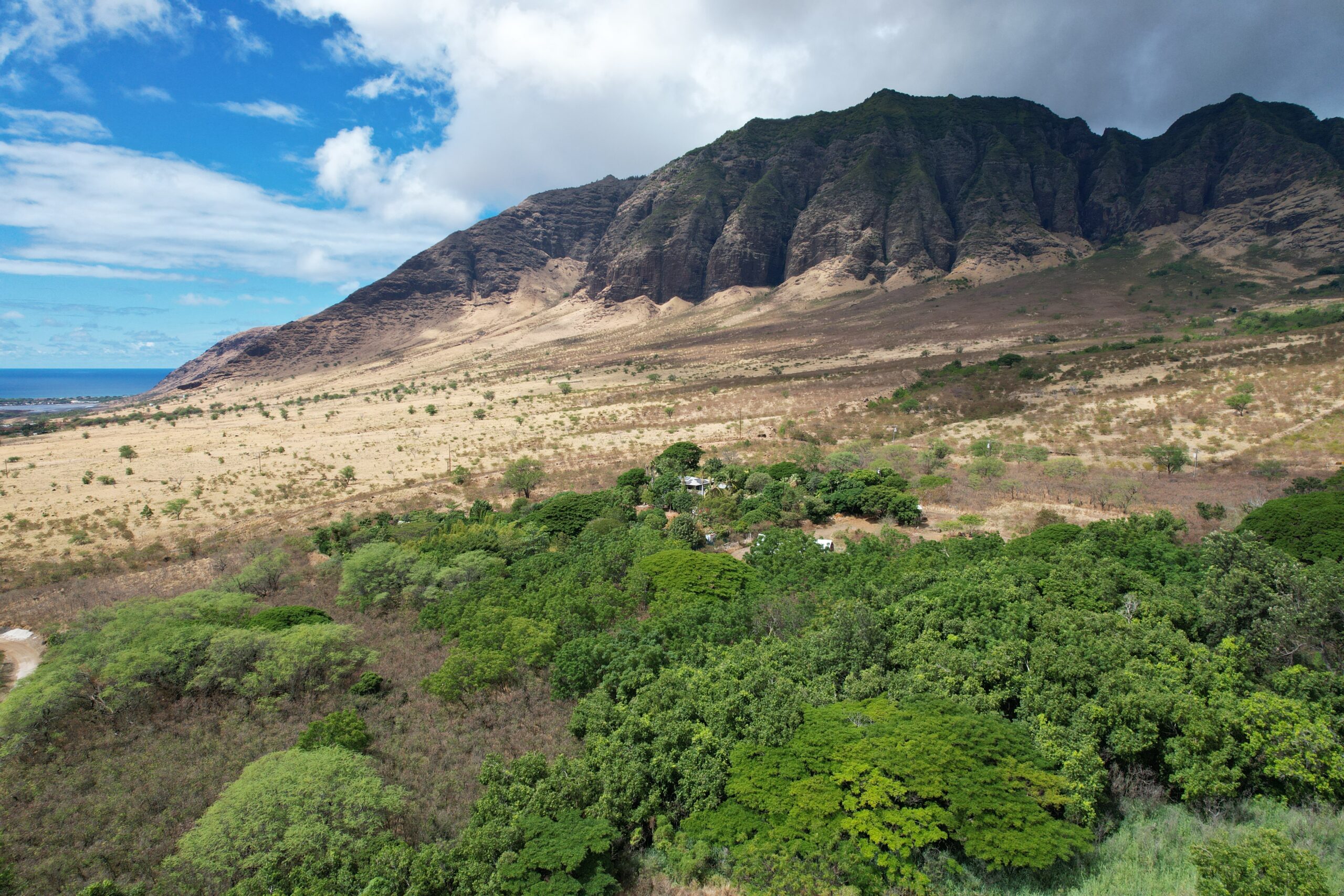
LOʻI KALO: Kaʻala Farms
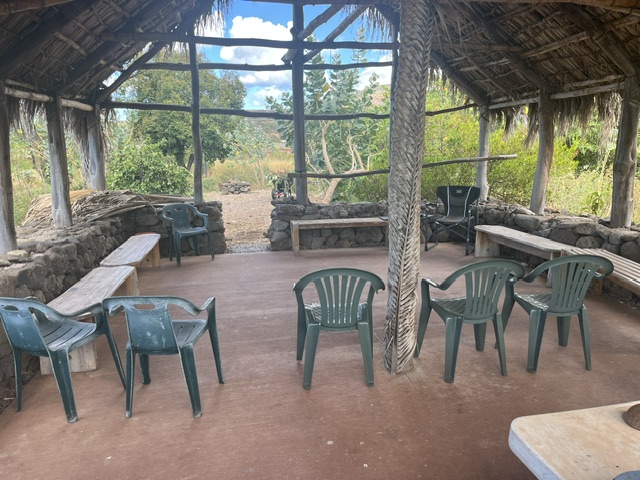
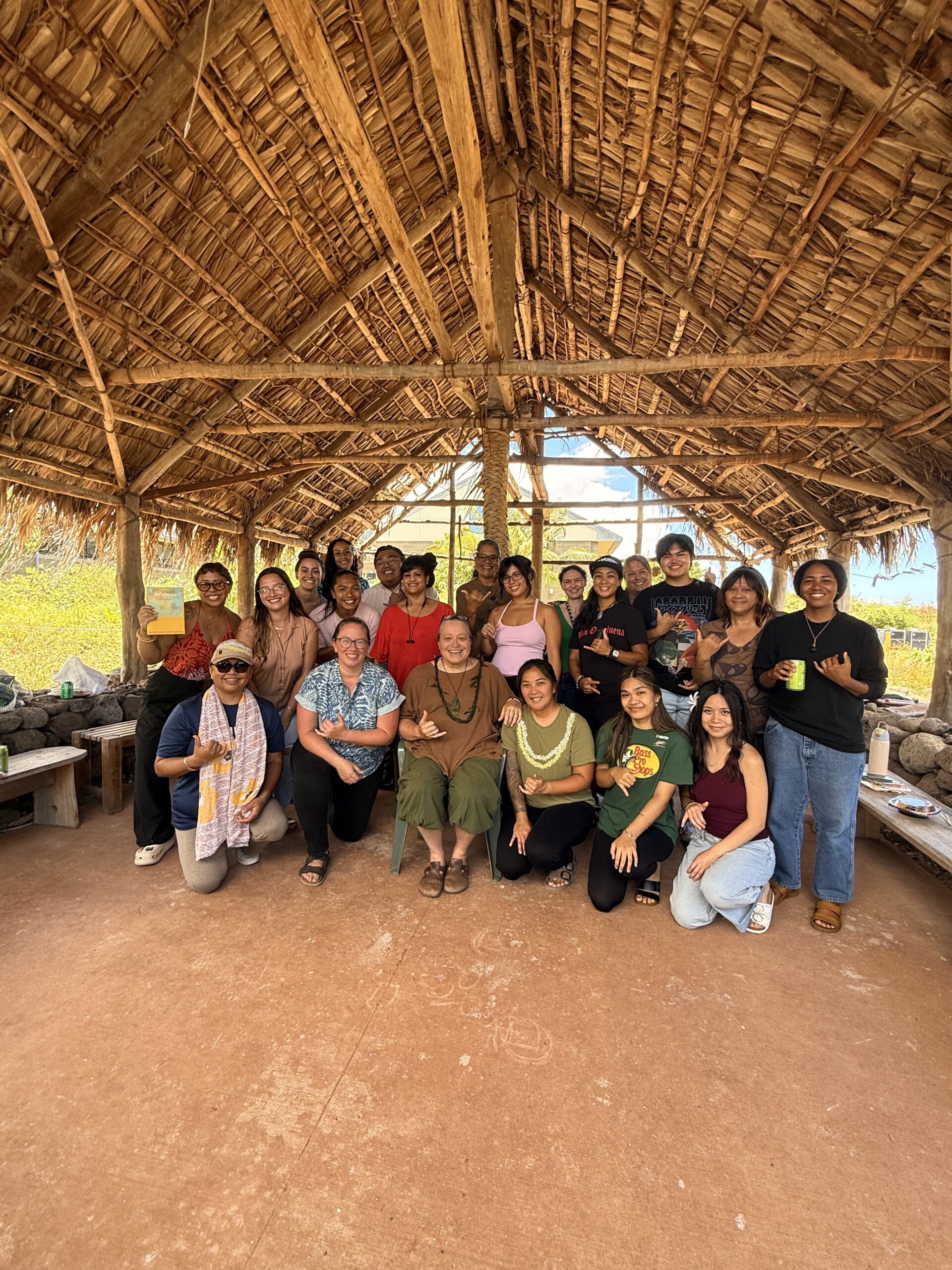
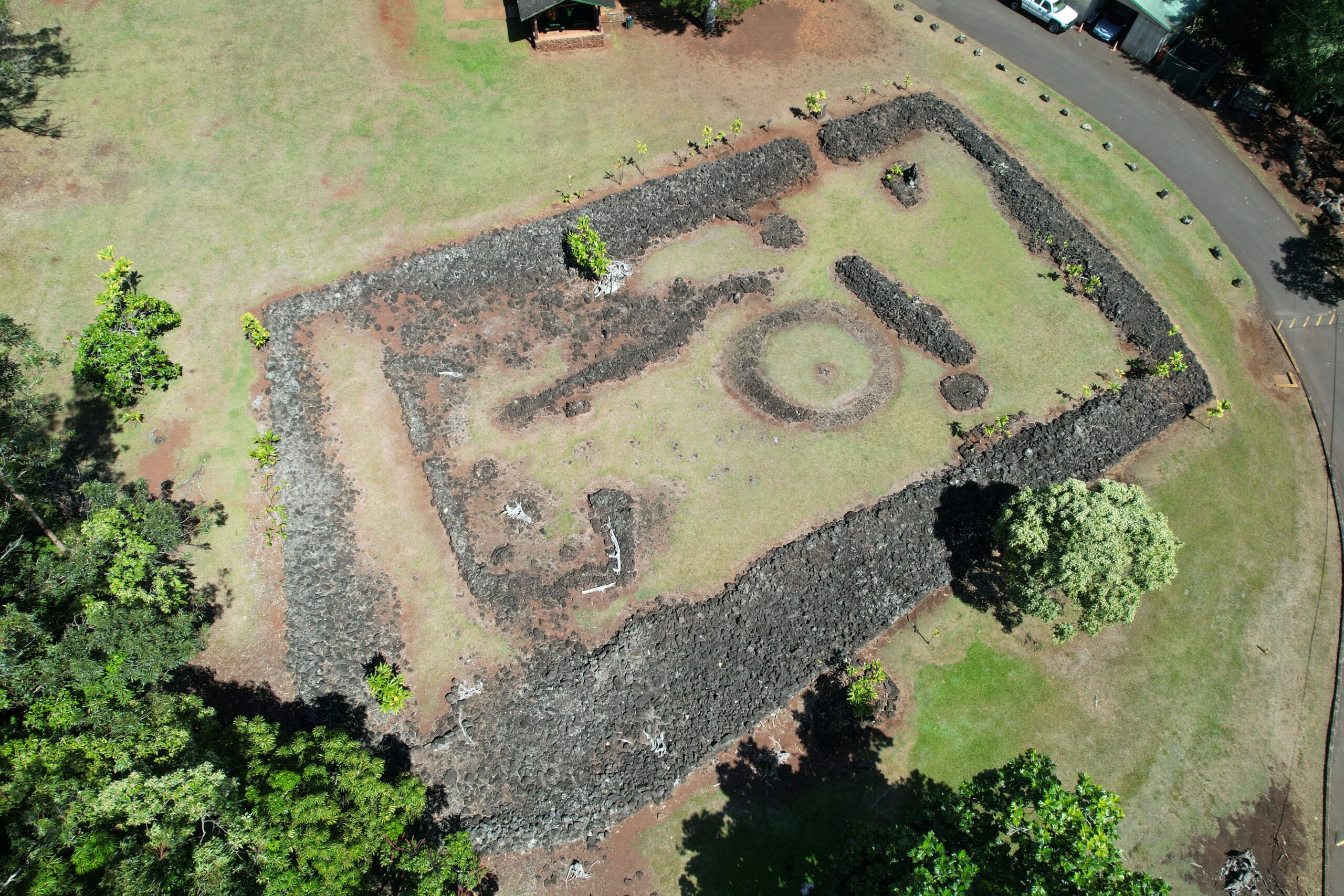
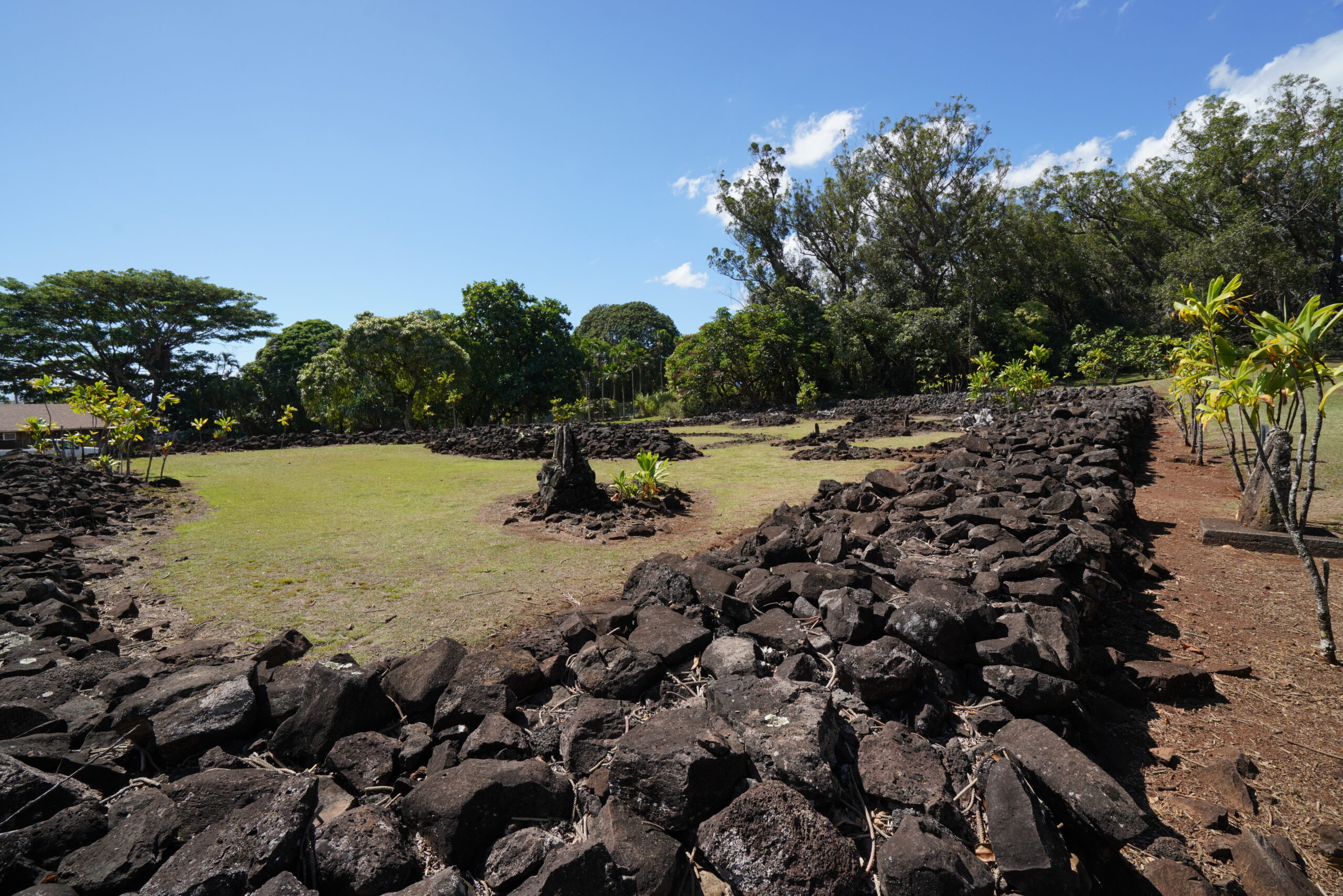
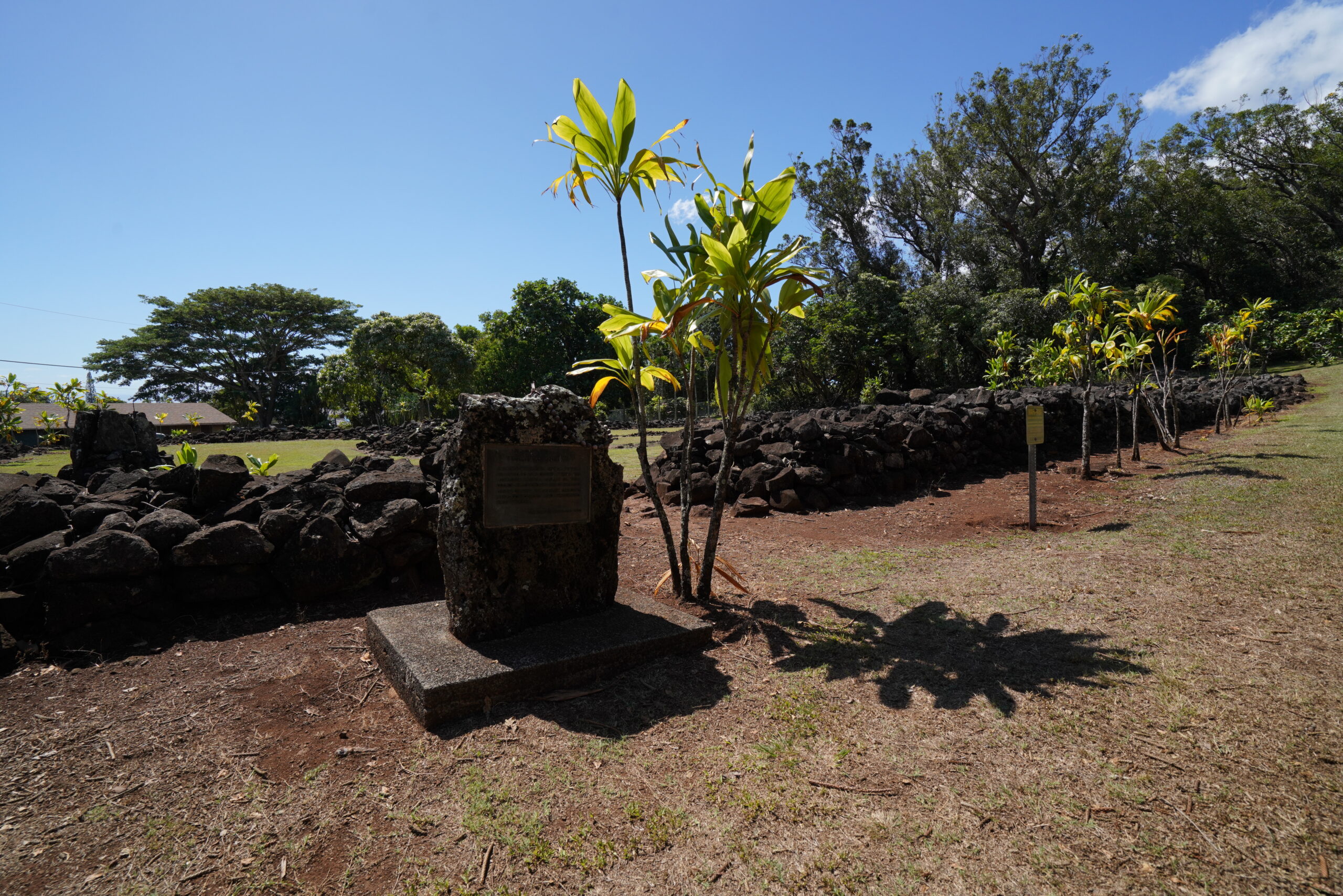
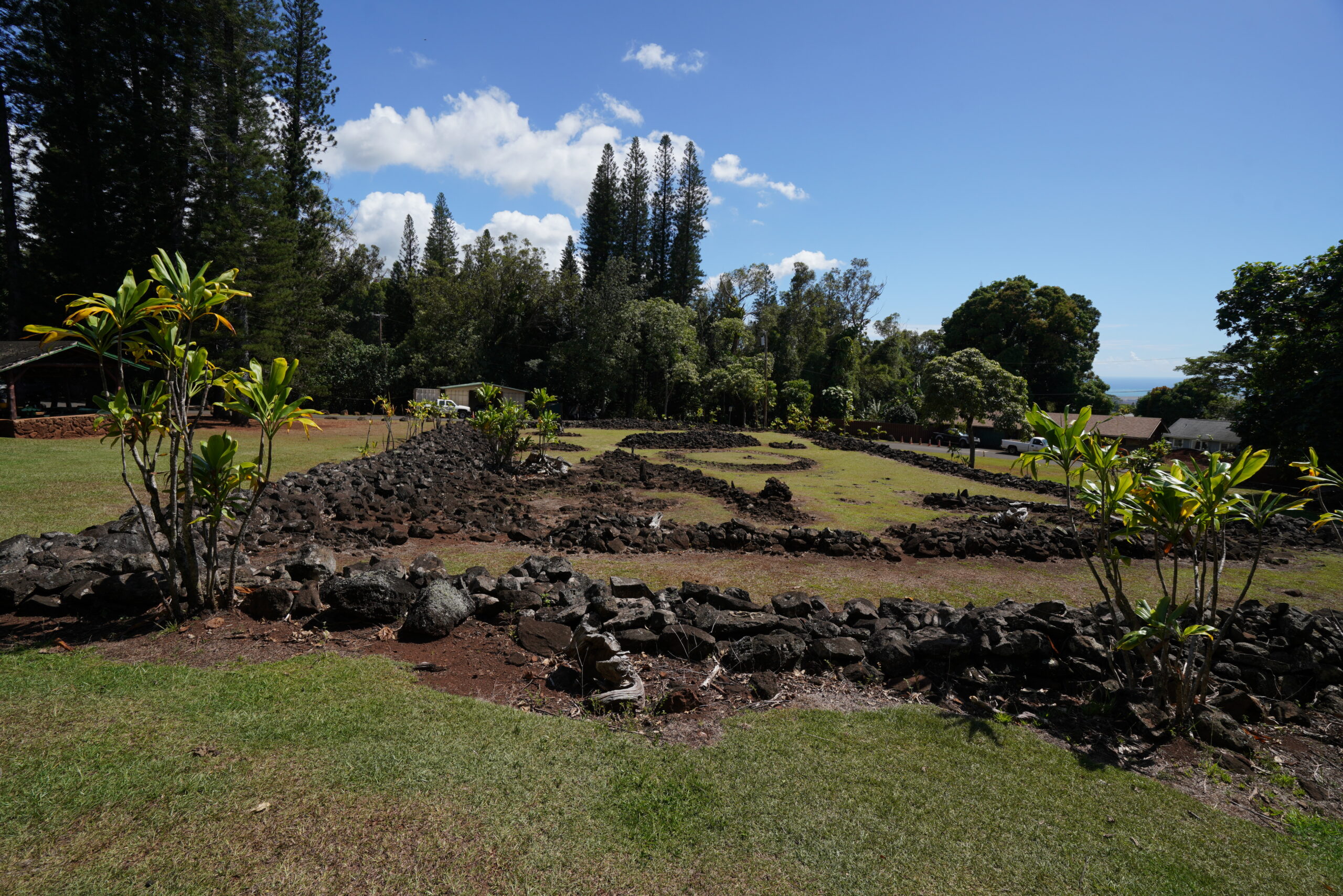
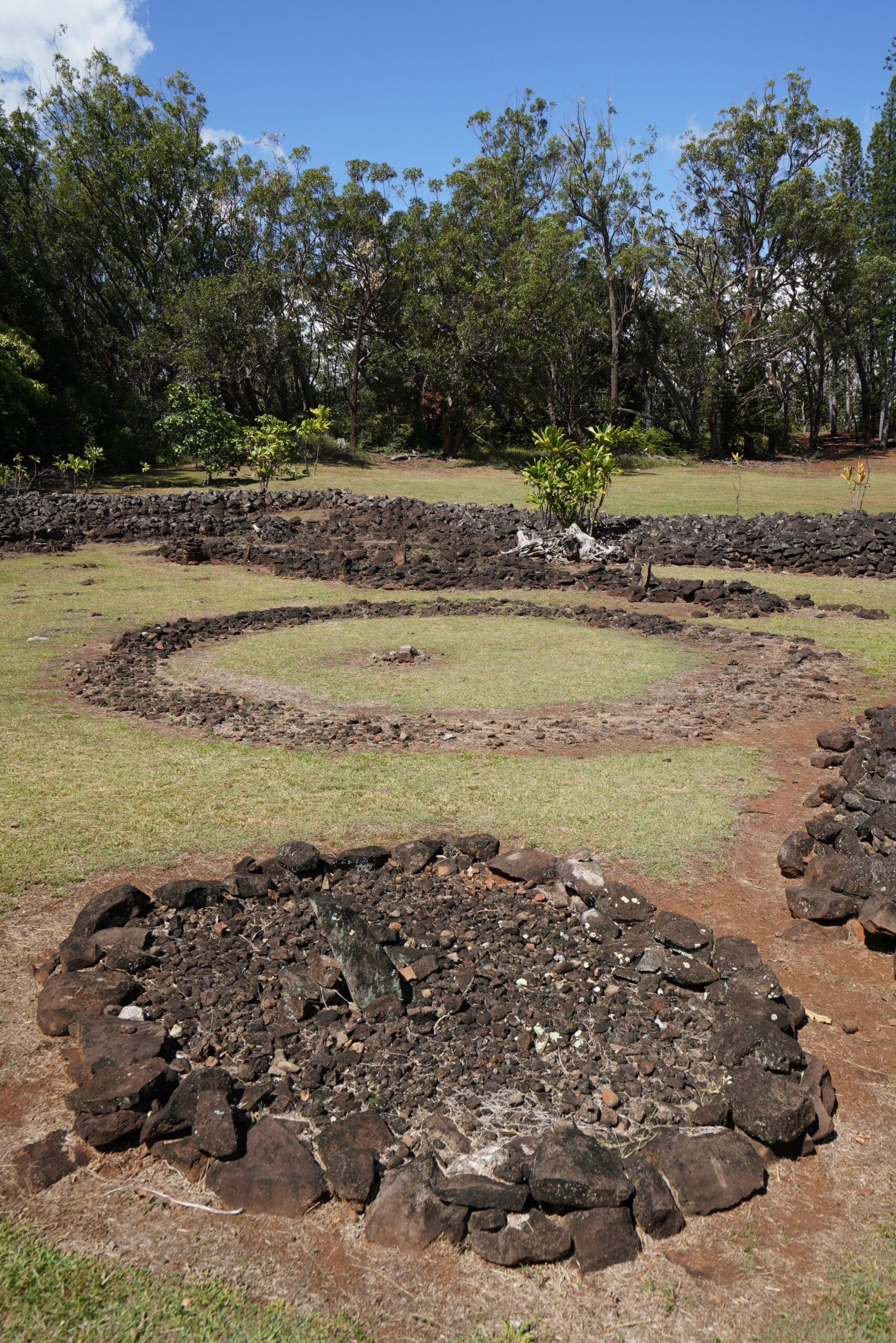
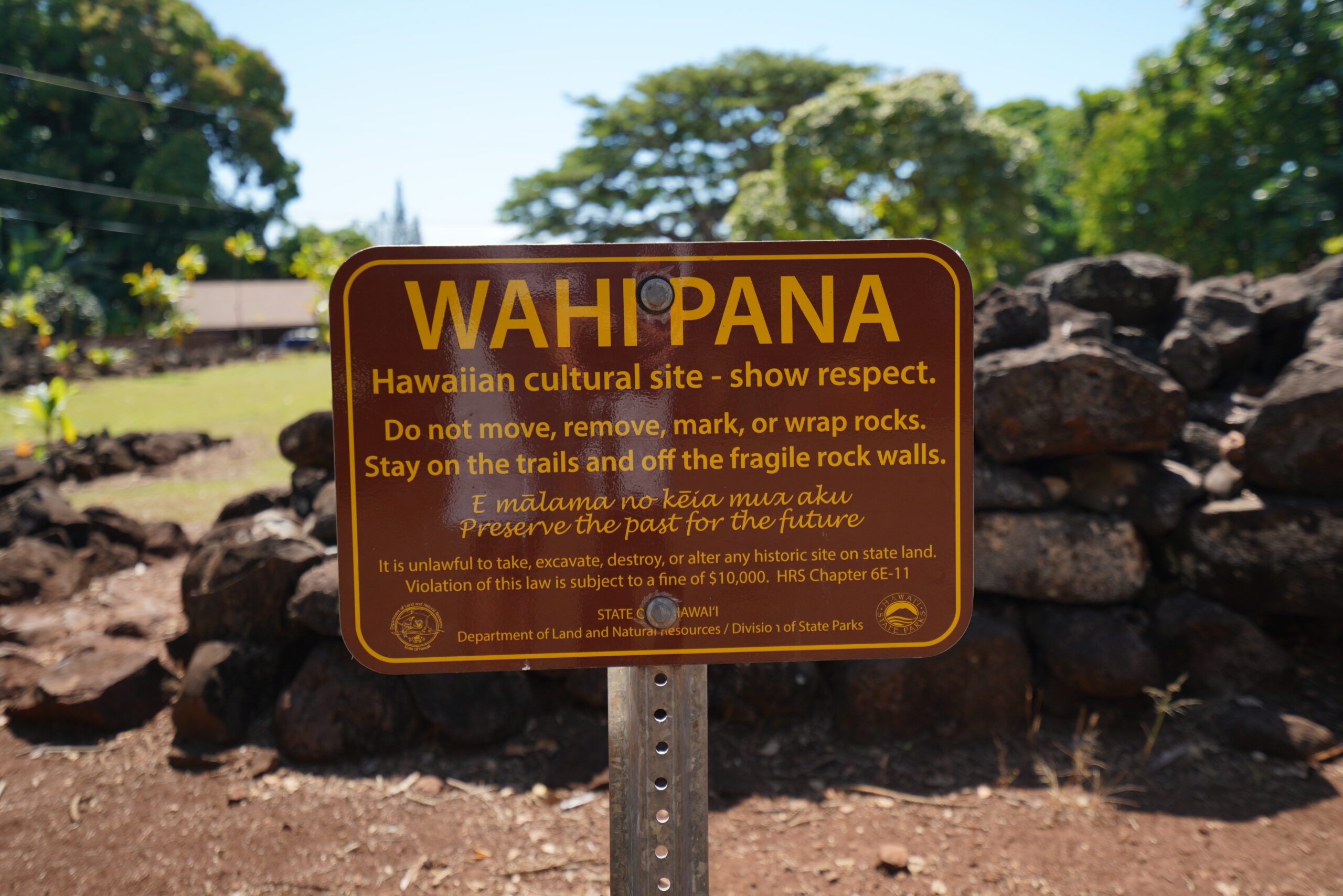
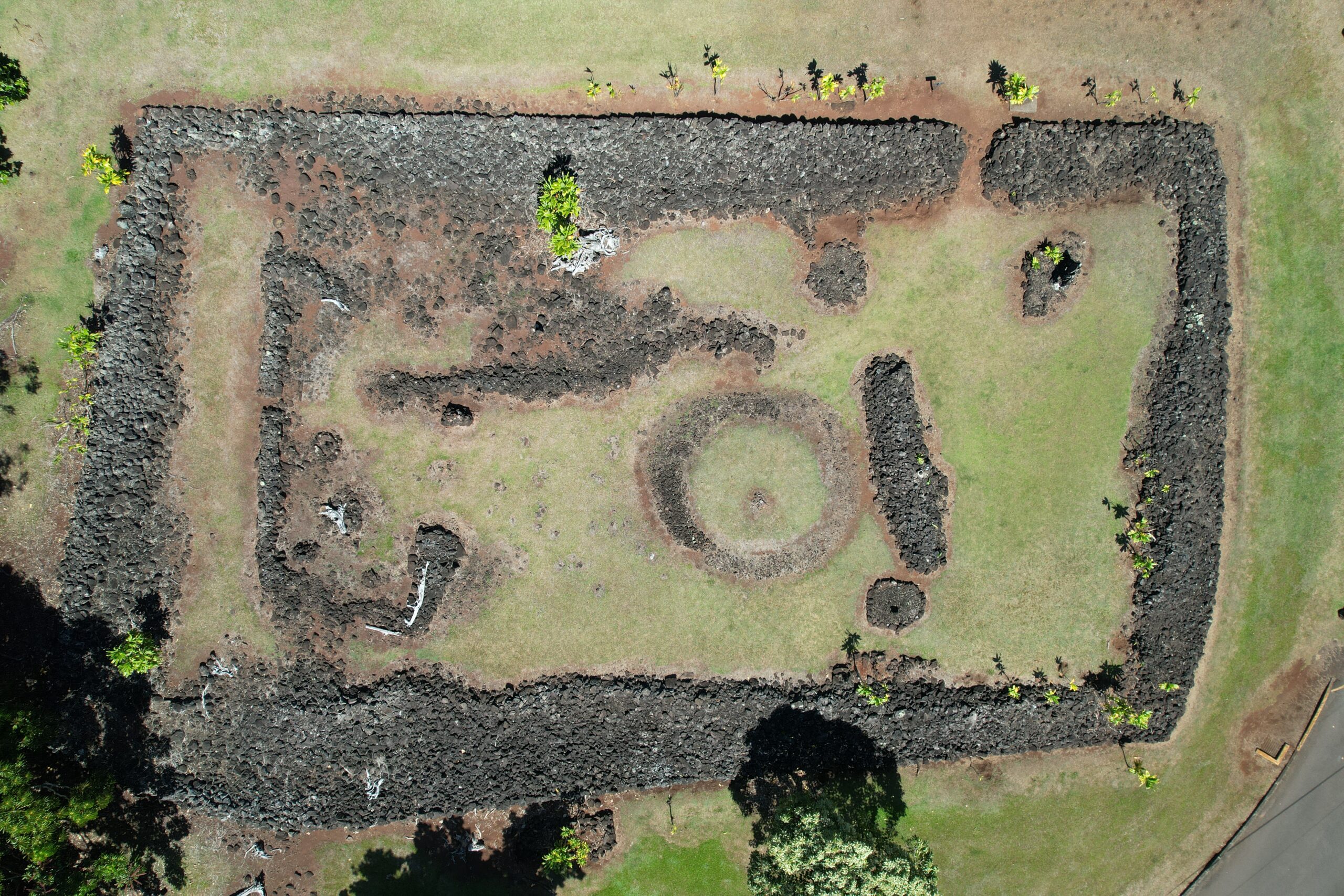
CULTURAL SITES: Hale Kuahuokalā and Keaīwa Heiau
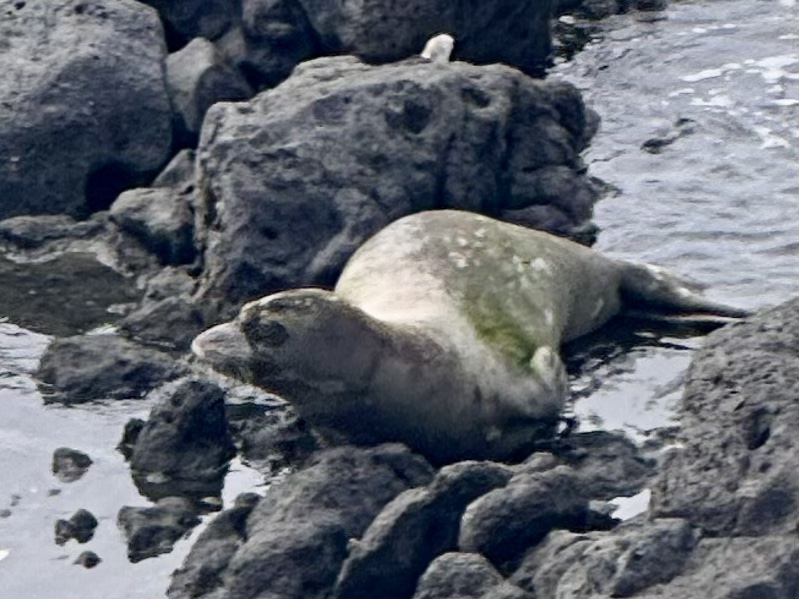
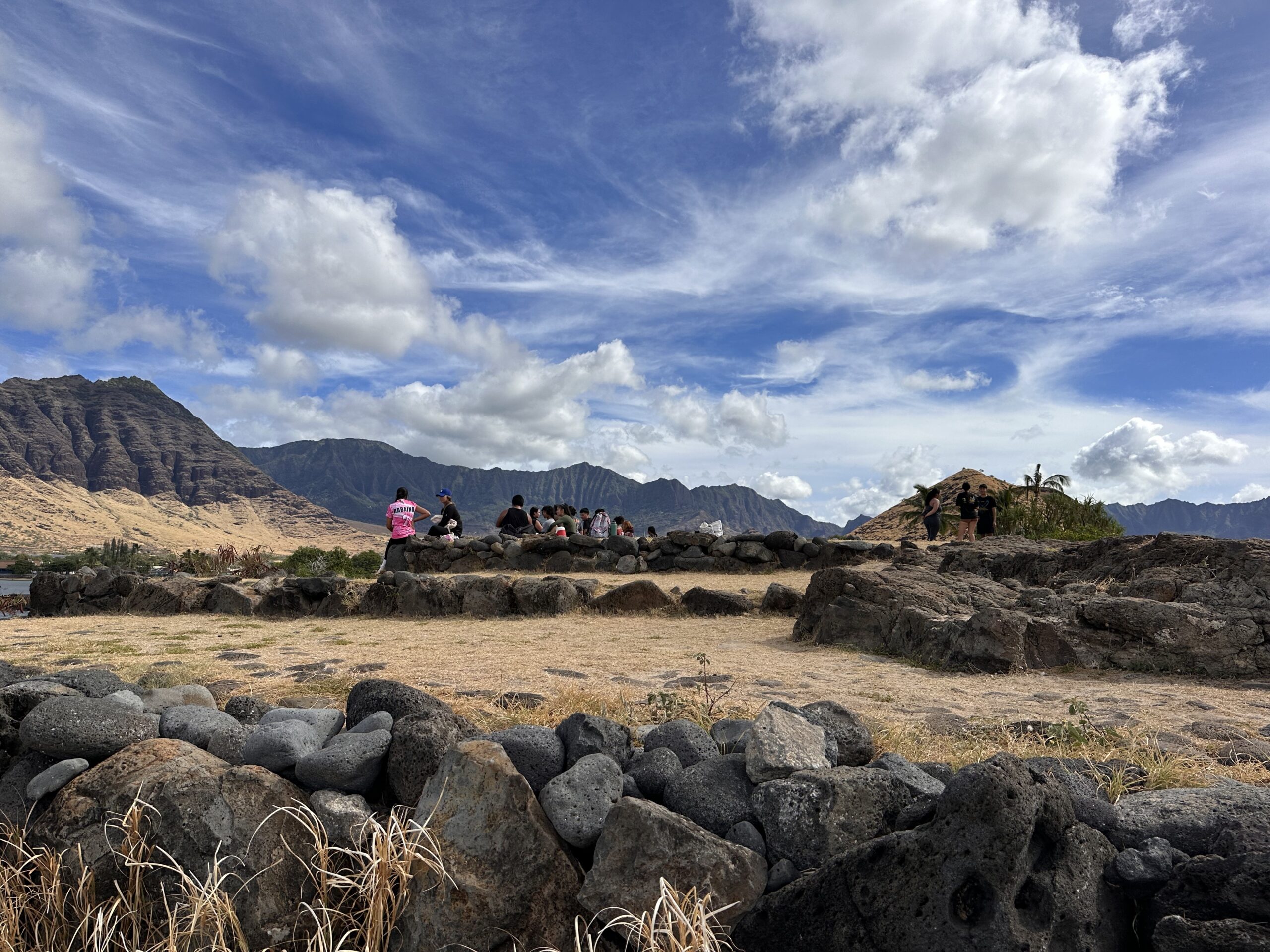
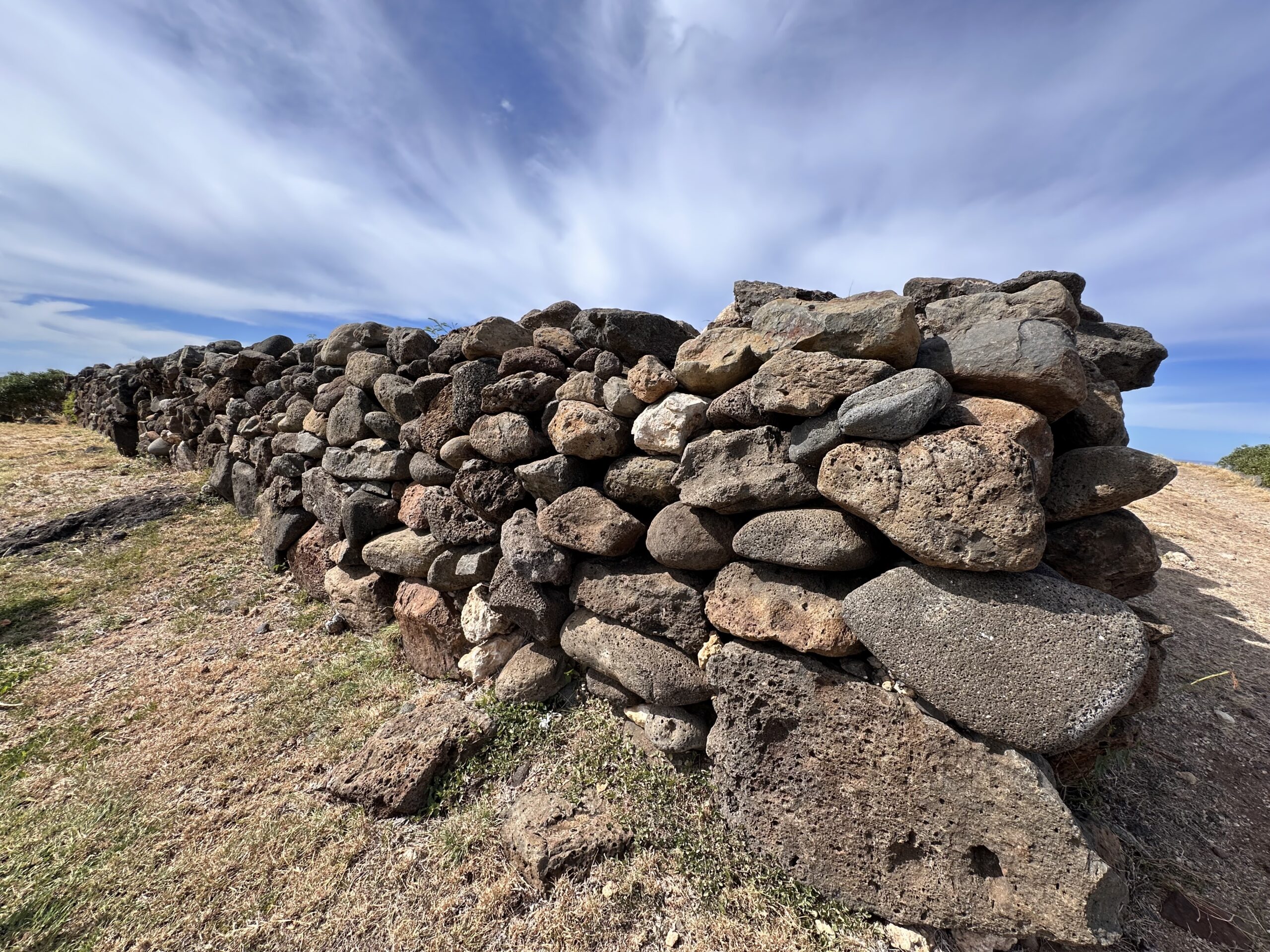
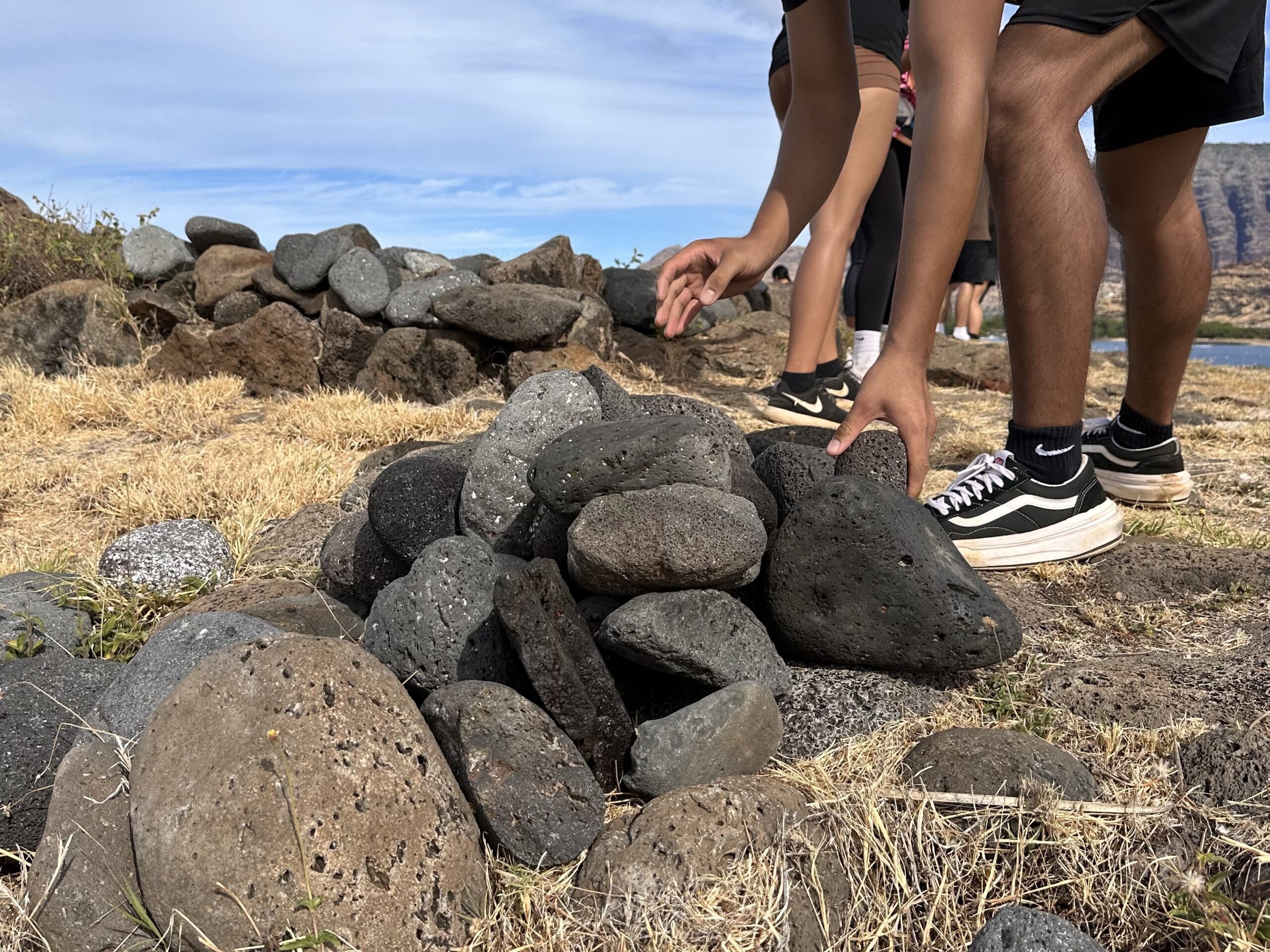
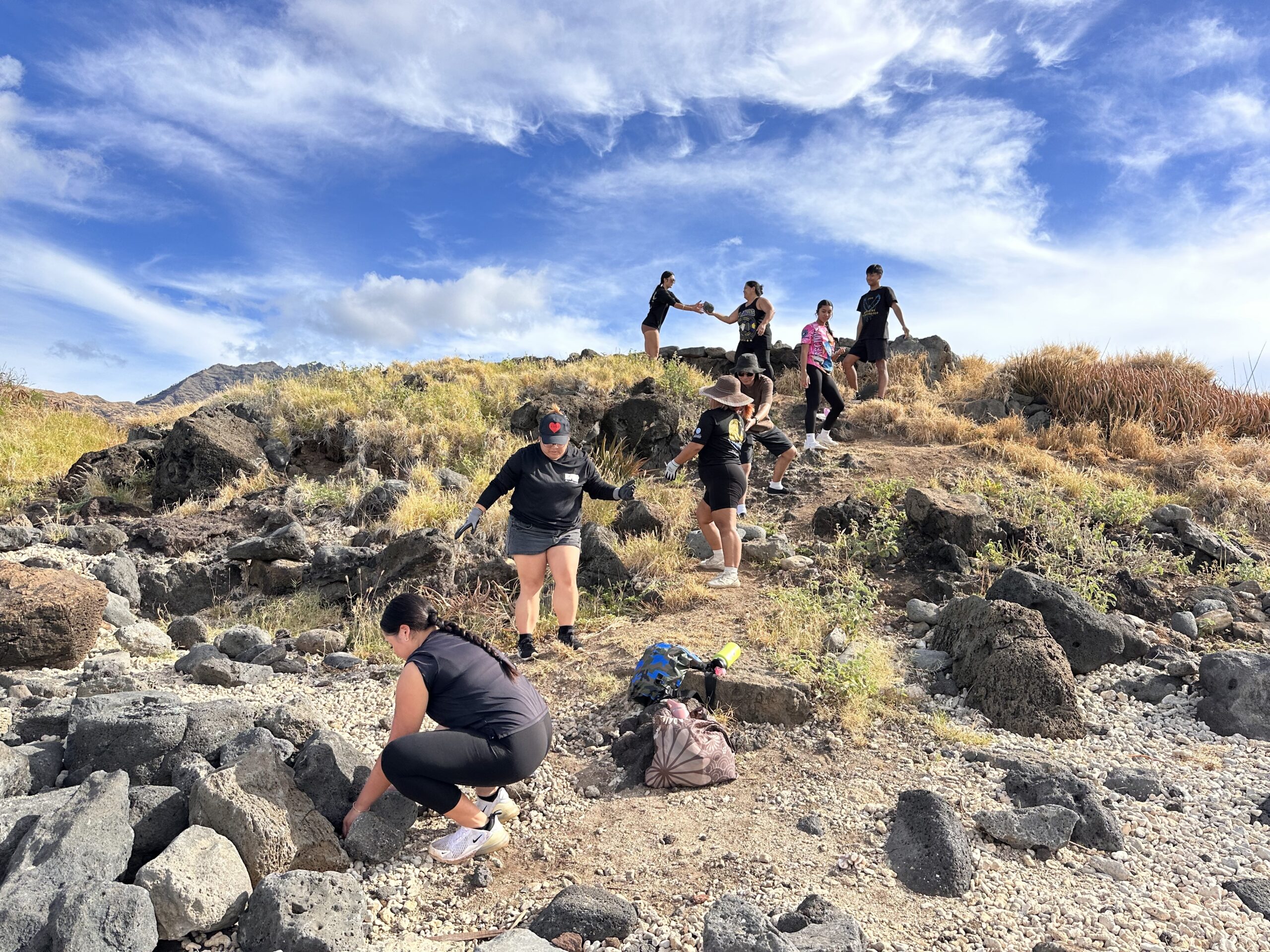
CULTURAL SITES: Kūʻīlioloa Heiau
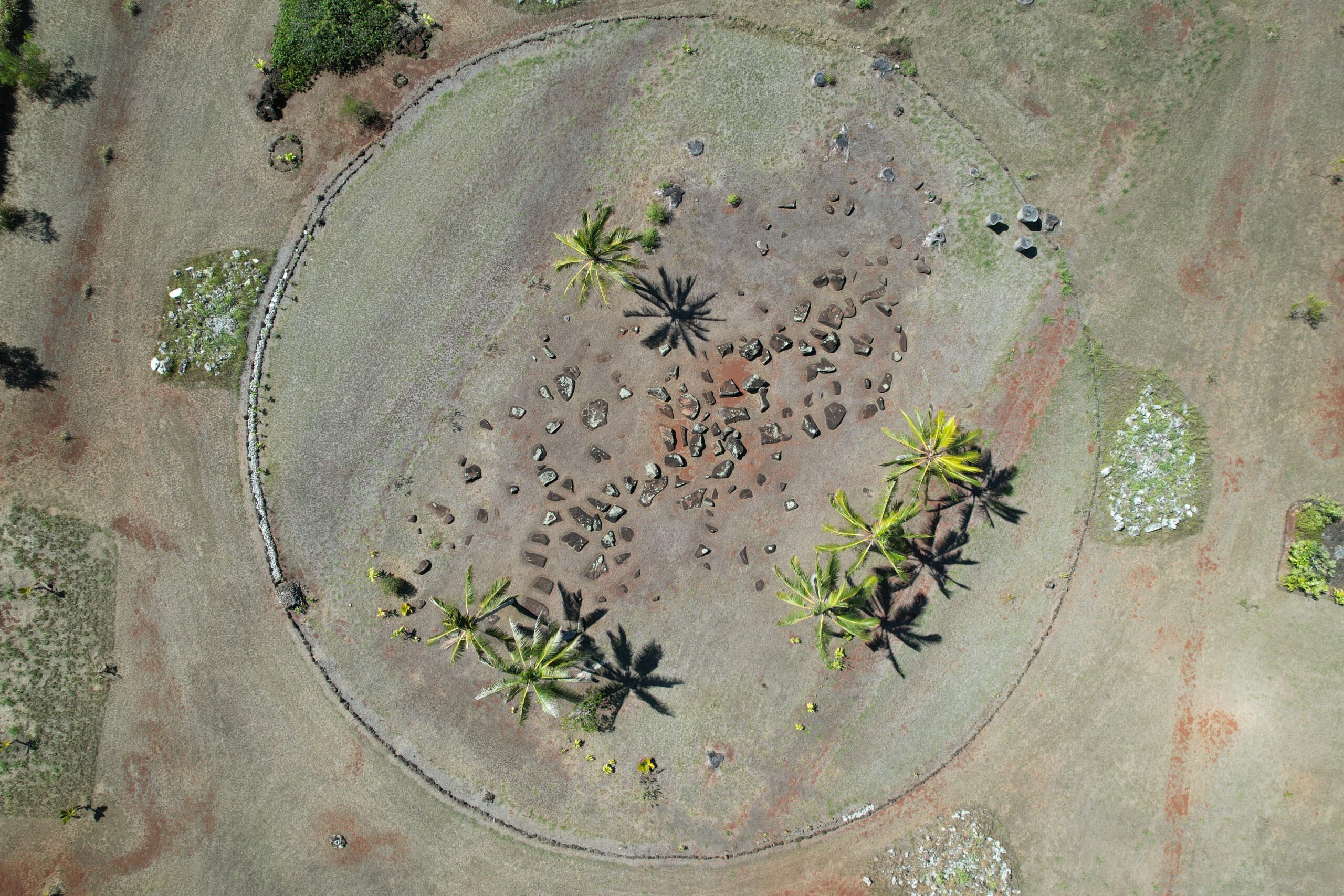
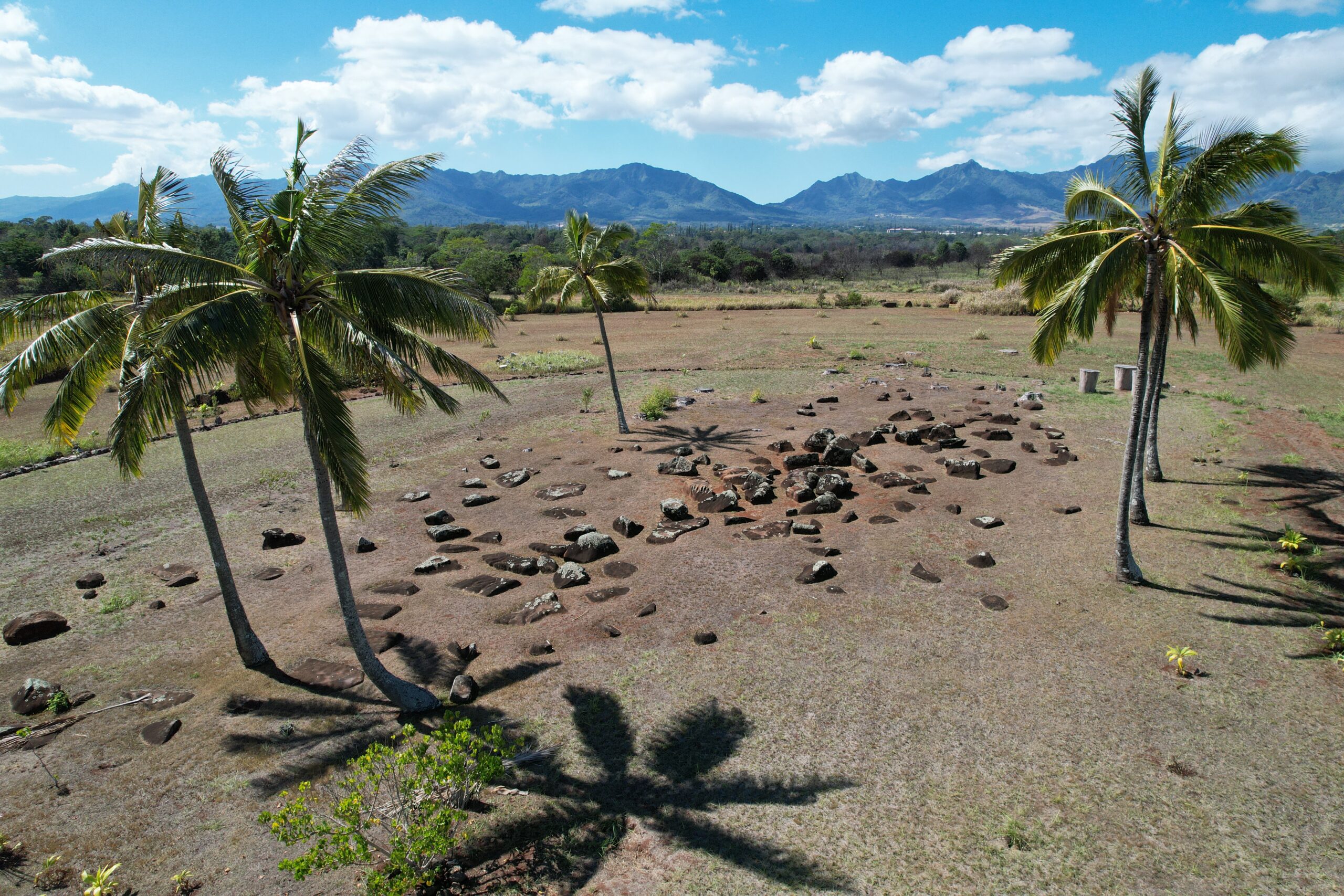
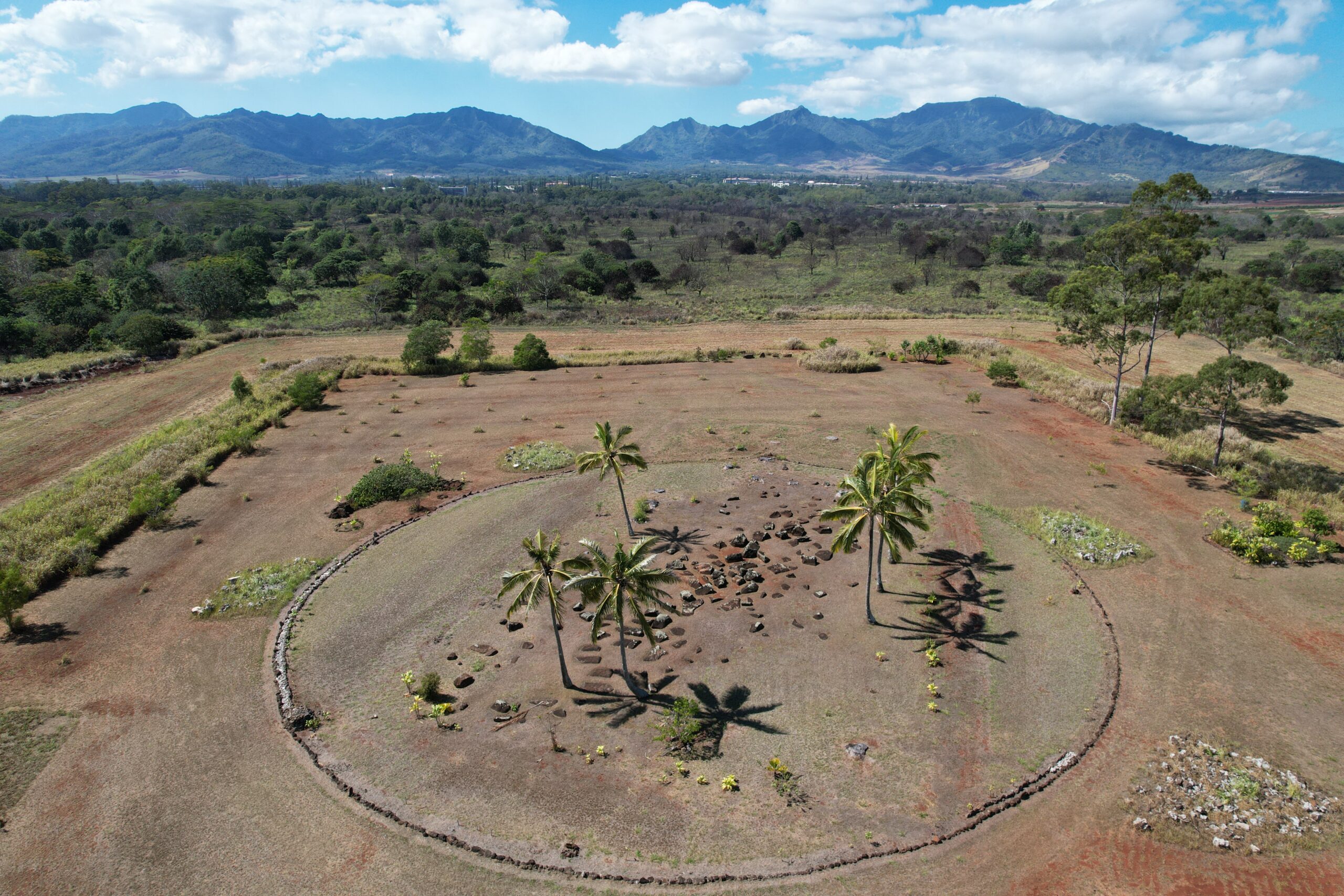
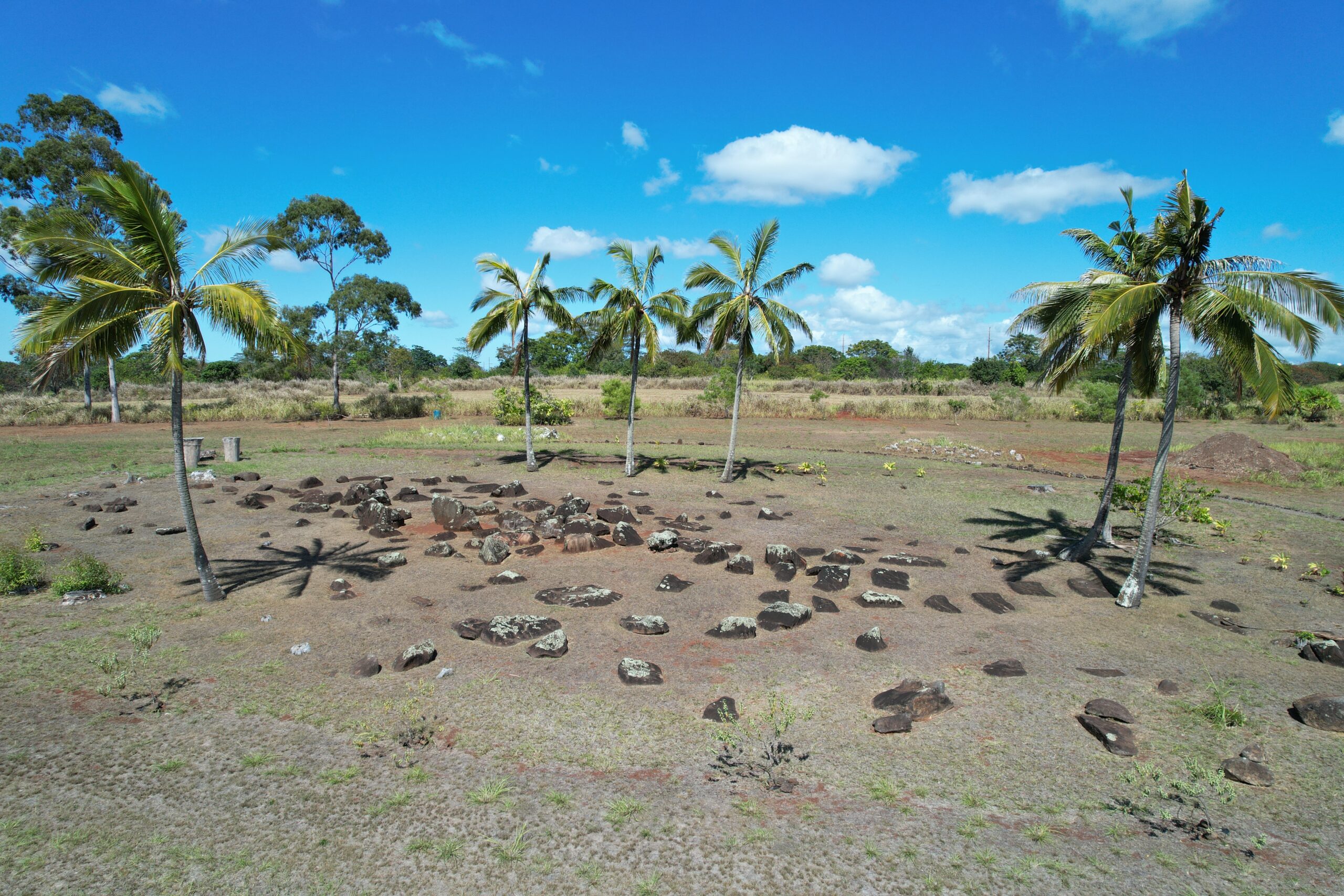
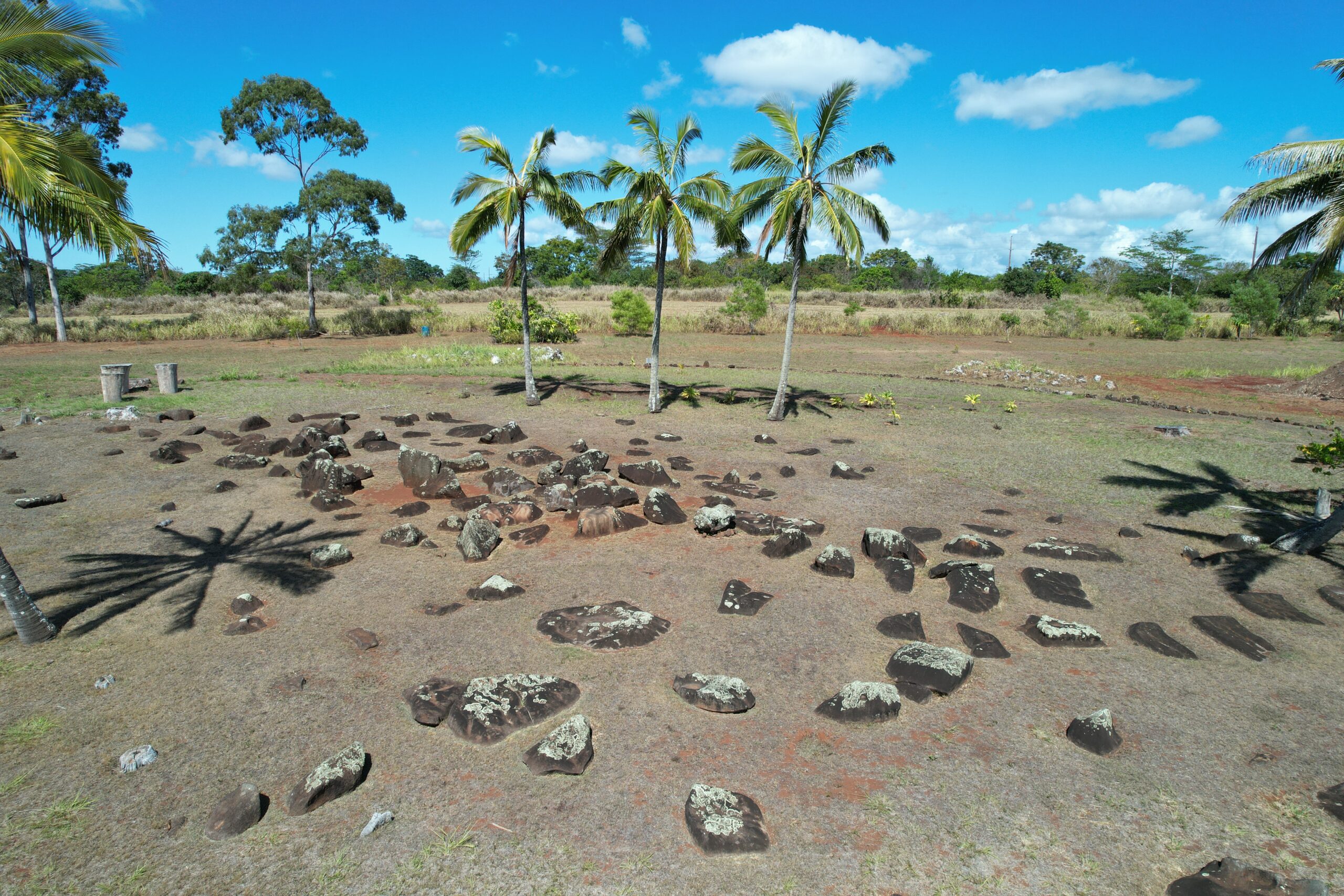
CULTURAL SITES: Kūkaniloko | Birthing Stones
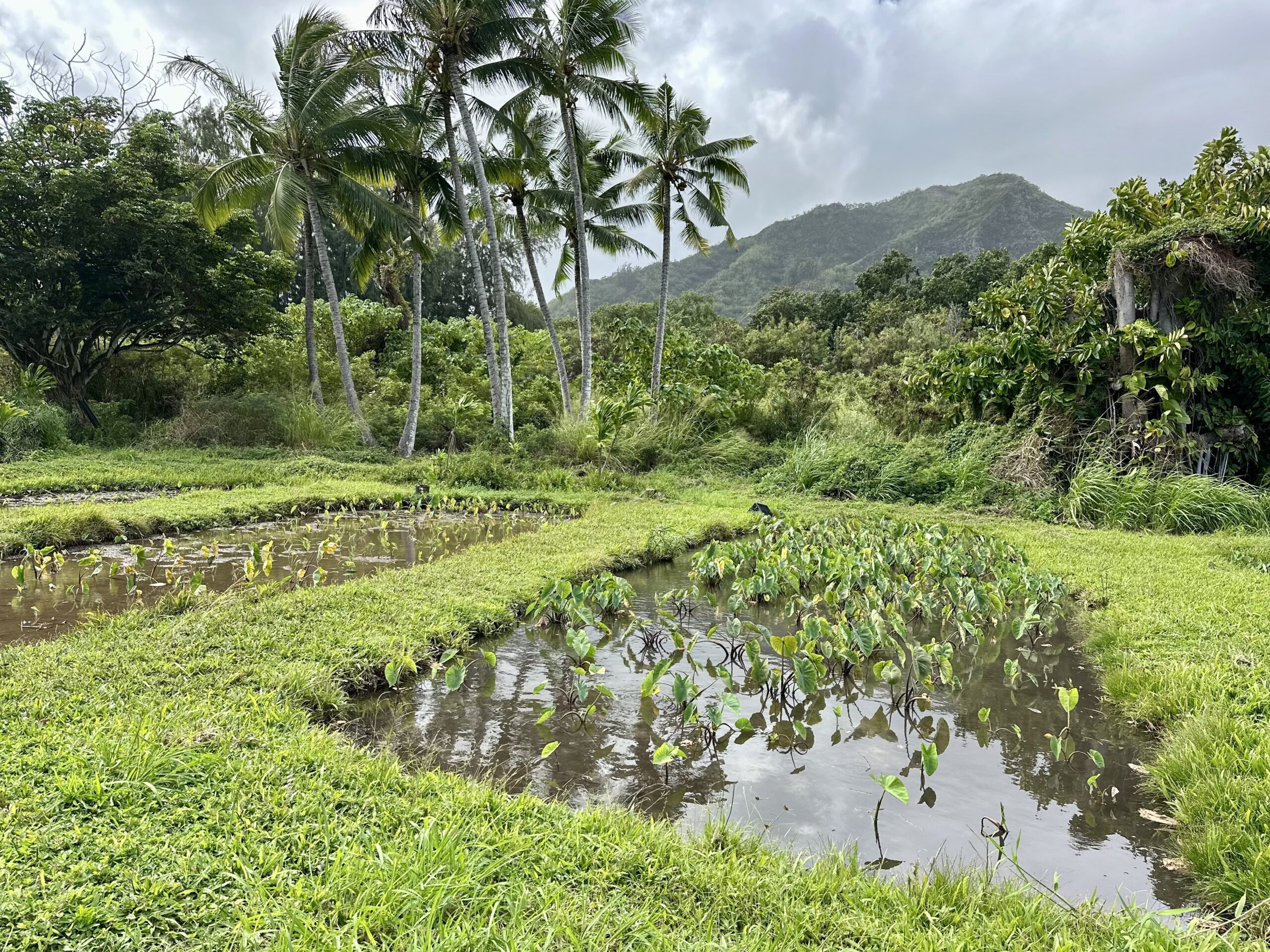
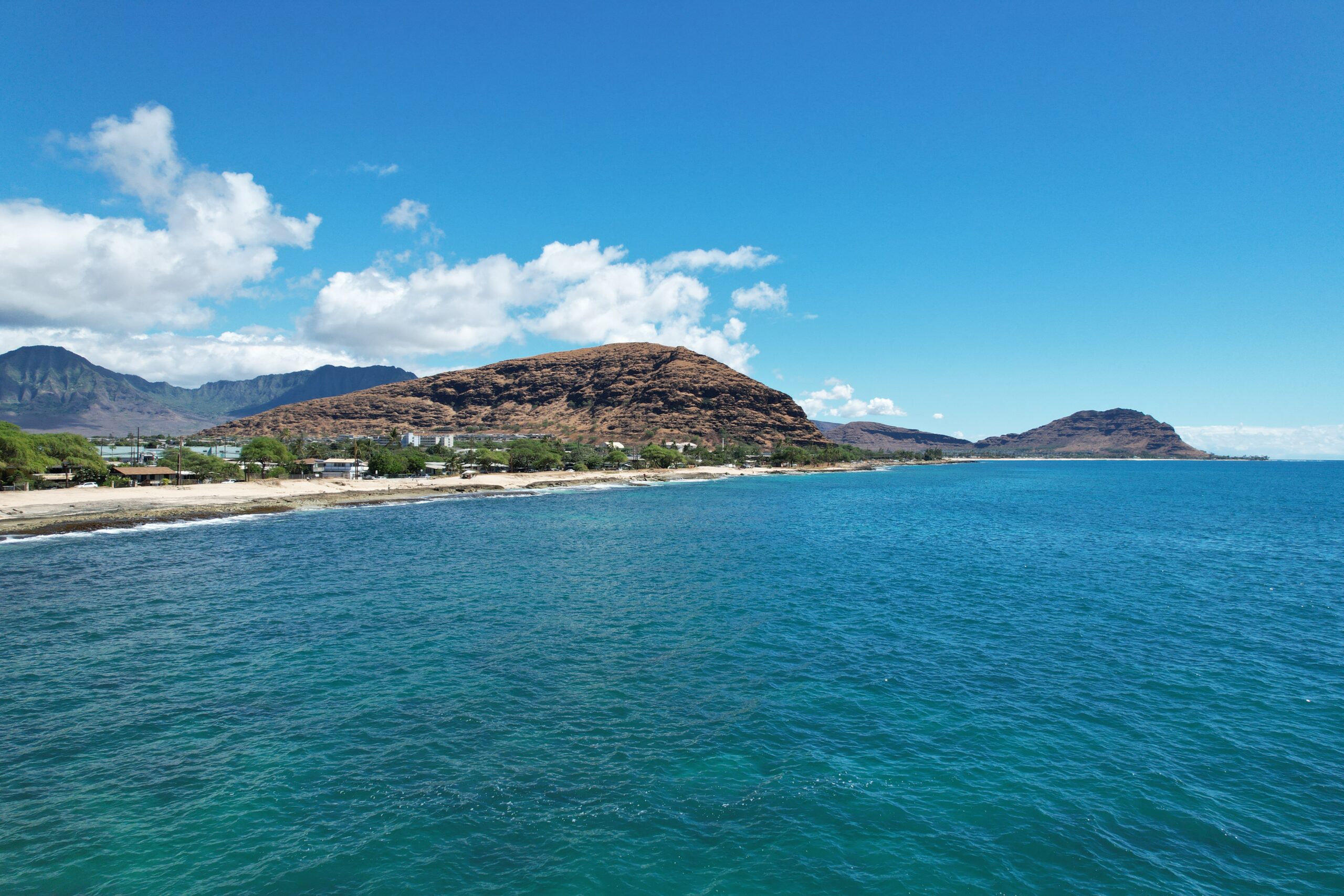
ʻĀINA
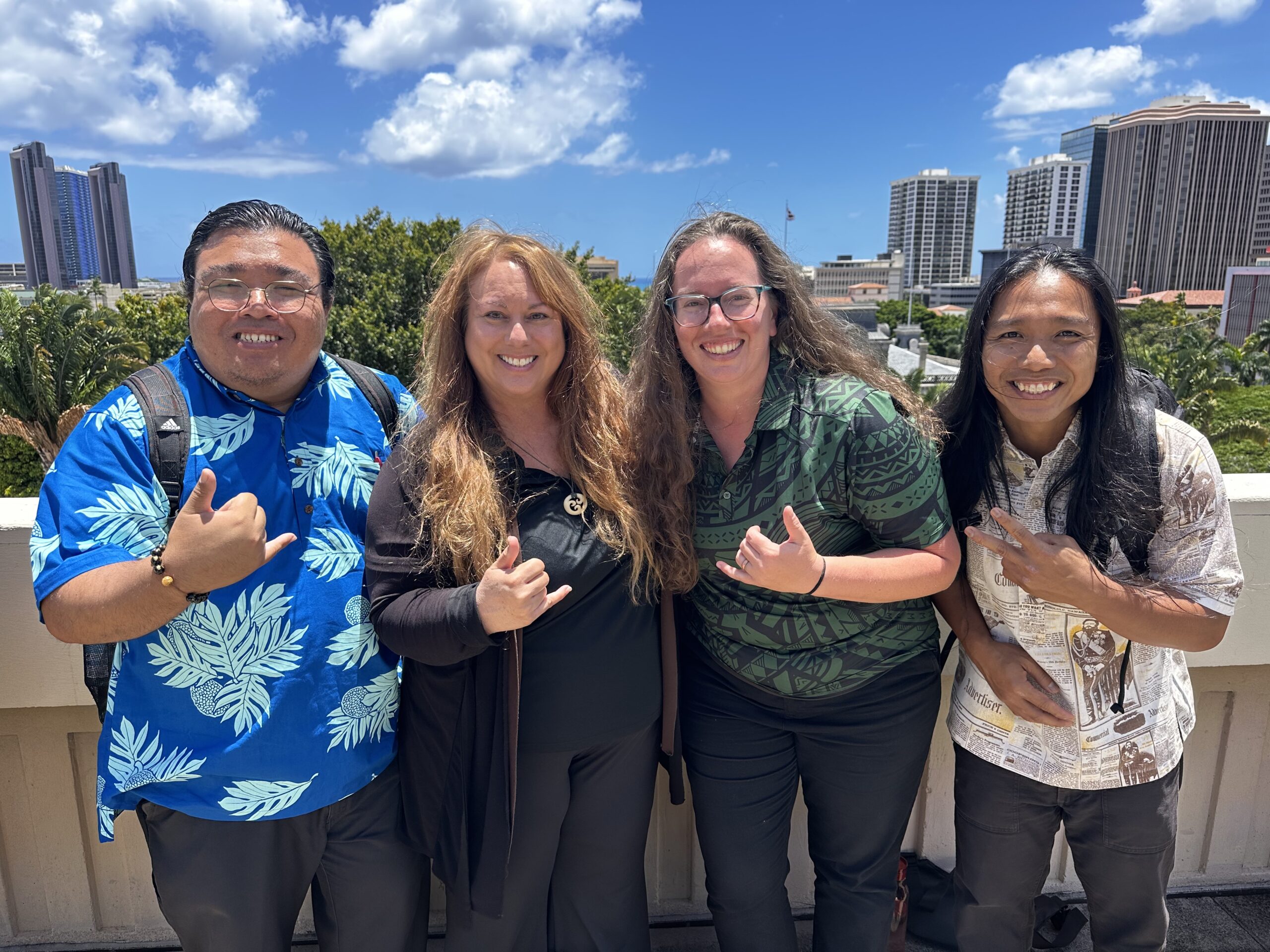
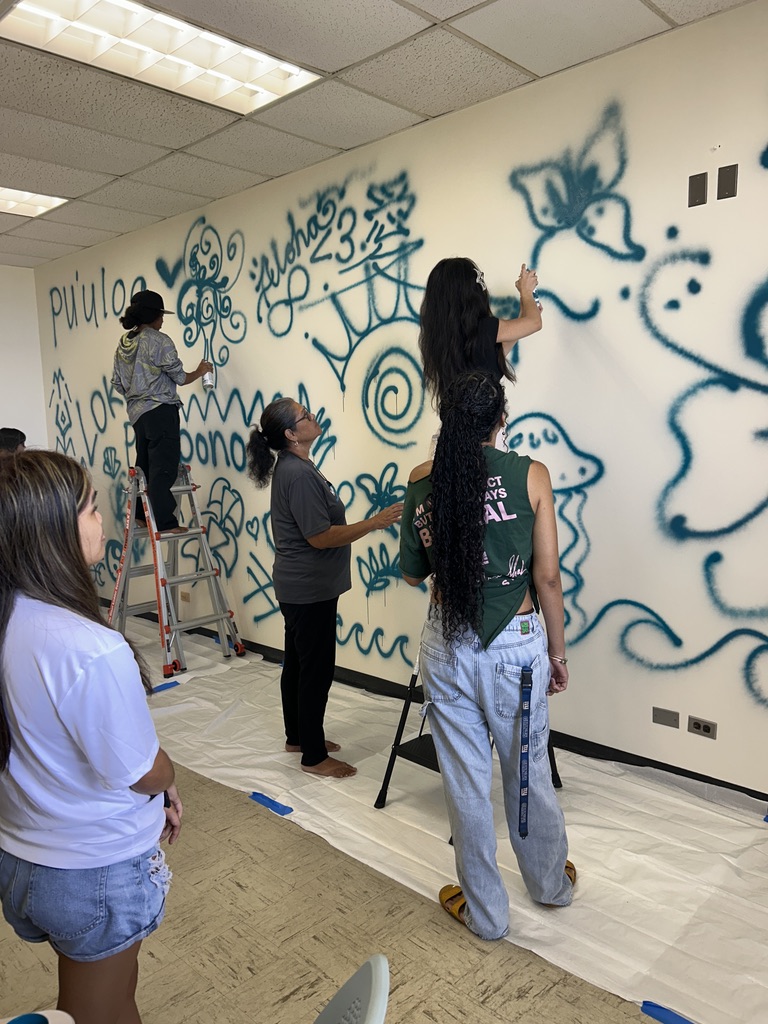
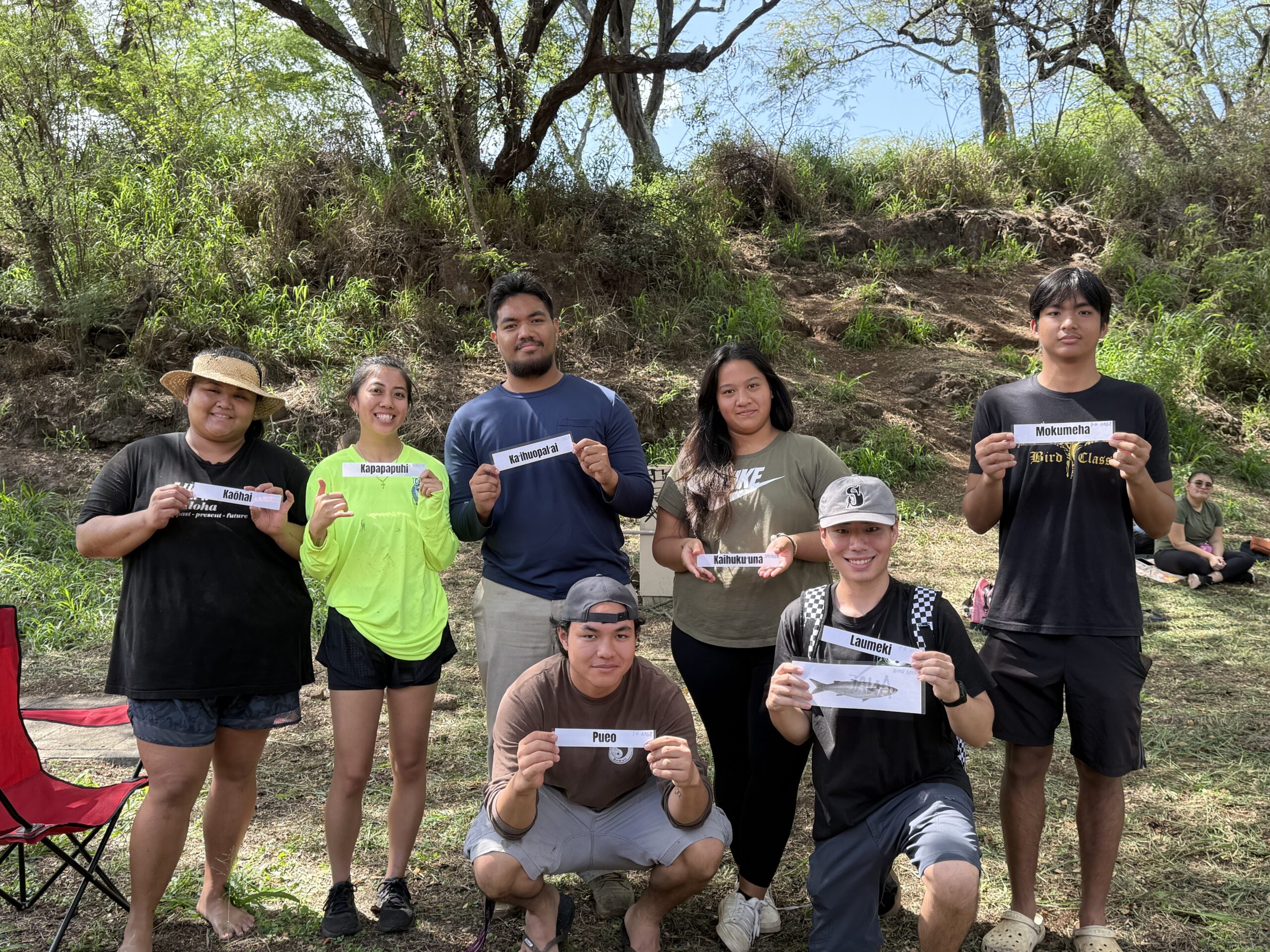
KAIĀULU: Community
Na Kumu Waiwai
- LEEWARD CC SUGGESTED RESOURCES
- RESEARCH BY NATIVE HAWAIIAN LEEWARD CC FACULTY
- SUGGESTED PUBLICATIONS AND READINGS
Leeward CC Suggested Resources
Ēwe Hānau o ka ʻĀina
Hōʻoia ʻĀina, Land Acknowledgement Statement
Kuhilani Leeward Labs
Land Acknowledgement Info Sheet
Leeward CC Annemarie Paikai LibGuide
Nā Puke Wehewehe ʻŌlelo Hawaiʻi – Hawaiian Dictionaries
Ulukau: The Hawaiian Electronic Library
Wehewehe Wikiwiki – UH-Hilo Hawaiian Language Dictionaries
Research by Native Hawaiian Leeward CC Faculty
Hau‘olihiwahiwa Moniz, “On the Standard of Being “Hawaiian Enough” – Native Hawaiian Lateral Violence and Contemporary Hawaiian Language Acquisition” | Video Version
Annemarie Paikai, “E Naʻauao Pū, E Noiʻi Pū, E Noelo Pū:Research Support for Hawaiian Studies”
Suggested Publication and Readings
Kaʻū: University of Hawaiʻi, Hawaiian Studies Task Force
Nā Hopena Aʻo: HĀ – BREATH, Hawaiʻi Department of Education, Office of Hawaiian Education
Pūpūkahi i Holomua: Moving Hawaiian Education for All Learners Beyond the COVID Pandemic: HIDOE
Office of Hawaiian Education